
AC Repair in Lafayette, LA
Air conditioners here run from April through October. If yours quits, tell us what it's doing and a licensed contractor who covers Lafayette Parish will get in touch.
Tell us about the job
It takes about a minute.

Seven months of Lafayette heat wears on your AC
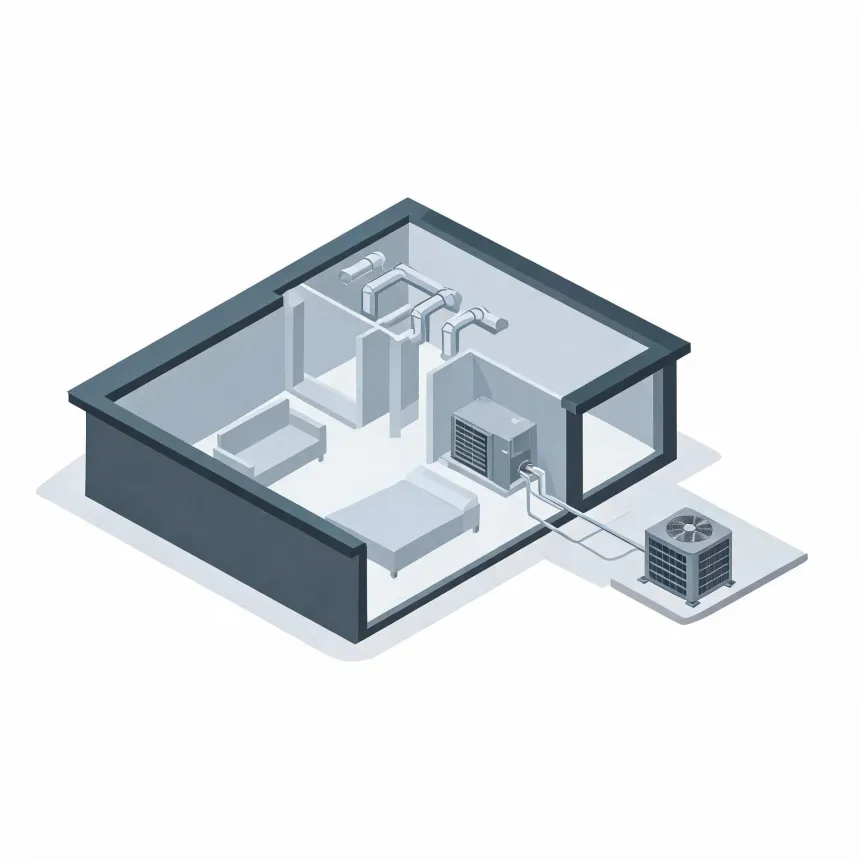
Your air conditioner runs from April through October here, with summer afternoons averaging 91°F. That is seven straight months of the compressor cycling on and off, day after day, just to keep the house at a normal temperature. The parts that suffer most are the ones working hardest against that heat, the compressor and the capacitor that starts it. When a capacitor weakens, the outdoor unit hums but the fan won't spin, or the system trips off on hot afternoons and won't come back on until it cools down.
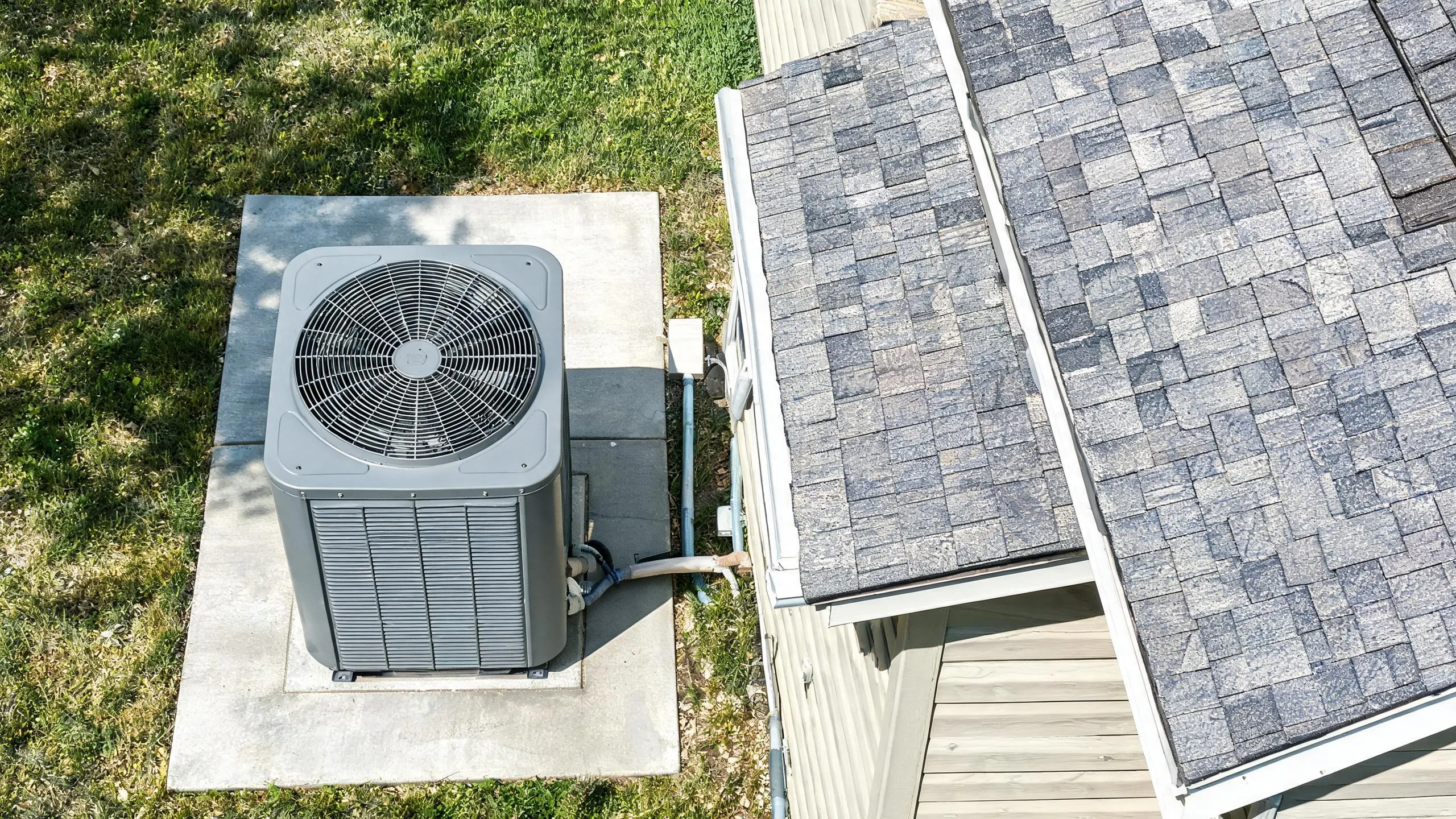
Lafayette Parish has also seen 39 damaging wind events and 16 hail storms over the past ten years, one with hailstones as large as 1.75 inches. Wind and hail like that can bend the thin fins on your outdoor coil or knock loose the fan blade, and once the fins are crushed the coil can't shed heat the way it should. If your air conditioner is blowing warm or struggling to keep up on the hottest afternoons, one of these is often why.
- 7 months
- April through October, your air conditioner is on duty
- 91°F
- the average summer afternoon it cools against
- 16 hail events
- in ten years, and hail bends the fins on outdoor coils
- 39 wind events
- in ten years, and wind drives debris into outdoor units
NOAA nClimDiv, 1991–2020 normals
A new air conditioner would cut about $70 a year off cooling for a typical Lafayette Parish home.
Estimates for a typical Lafayette Parish home, compared with an older unit built to the previous federal minimum, from EIA household energy data, Louisiana fuel prices and NOAA climate normals. Your home will differ.
Repair makes sense when a part like a capacitor or contactor has failed.
Replacement makes sense when the compressor has failed or the system uses R-22 refrigerant, which is no longer made.
Louisiana requires HVAC contractors to hold a state license.
The Louisiana State Licensing Board for Contractors issues that license, and it belongs to the contractor, not to any one job. The same license that covers a new install covers a repair call to your AC.
Repairing an air conditioner usually means opening up the refrigerant side of the system, and whoever does that has to hold EPA Section 608 certification. That certification comes from the federal government, not the state, and it applies the same way in every state. So a Louisiana license covers the contractor doing the work, and federal certification covers the technician handling the refrigerant.
Source: Louisiana State Licensing Board for Contractors
- Why is my AC not blowing cold air?
- Usually it means the system can't move heat out of the house anymore, not that it stopped working outright. A dirty filter or a coil caked with dust chokes off airflow, and the unit ends up blowing air that never gets properly cooled. Low refrigerant from a slow leak does the same thing, and that one needs a licensed contractor since only someone with EPA 608 certification can legally open that side of the system. With summer afternoons here running near 91°F, a system that's low on refrigerant or short on airflow falls behind fast.
- Why is my AC leaking water?
- Most of the time the drain line has clogged with algae or dirt and the water that should run outside is backing up into the house instead. It can also mean the coil has frozen and is now thawing and dripping as it melts. A frozen coil usually points to weak airflow or low refrigerant behind it. Either way the water itself isn't the problem, it's a sign of what's happening upstream.
- Why won't my AC turn on?
- Start with the thermostat. Check that it's set to cool and set below the room temperature, and that it has power if it runs on batteries. If the thermostat looks right, the next place to check is the breaker, since a tripped breaker will cut power to the whole unit. Lafayette has seen its share of damaging wind and hail over the past ten years, and a hard enough storm can trip a breaker or damage the outdoor unit, so it's worth a look outside after severe weather. If power and settings both check out and it still won't start, that's a job for a licensed contractor to diagnose.