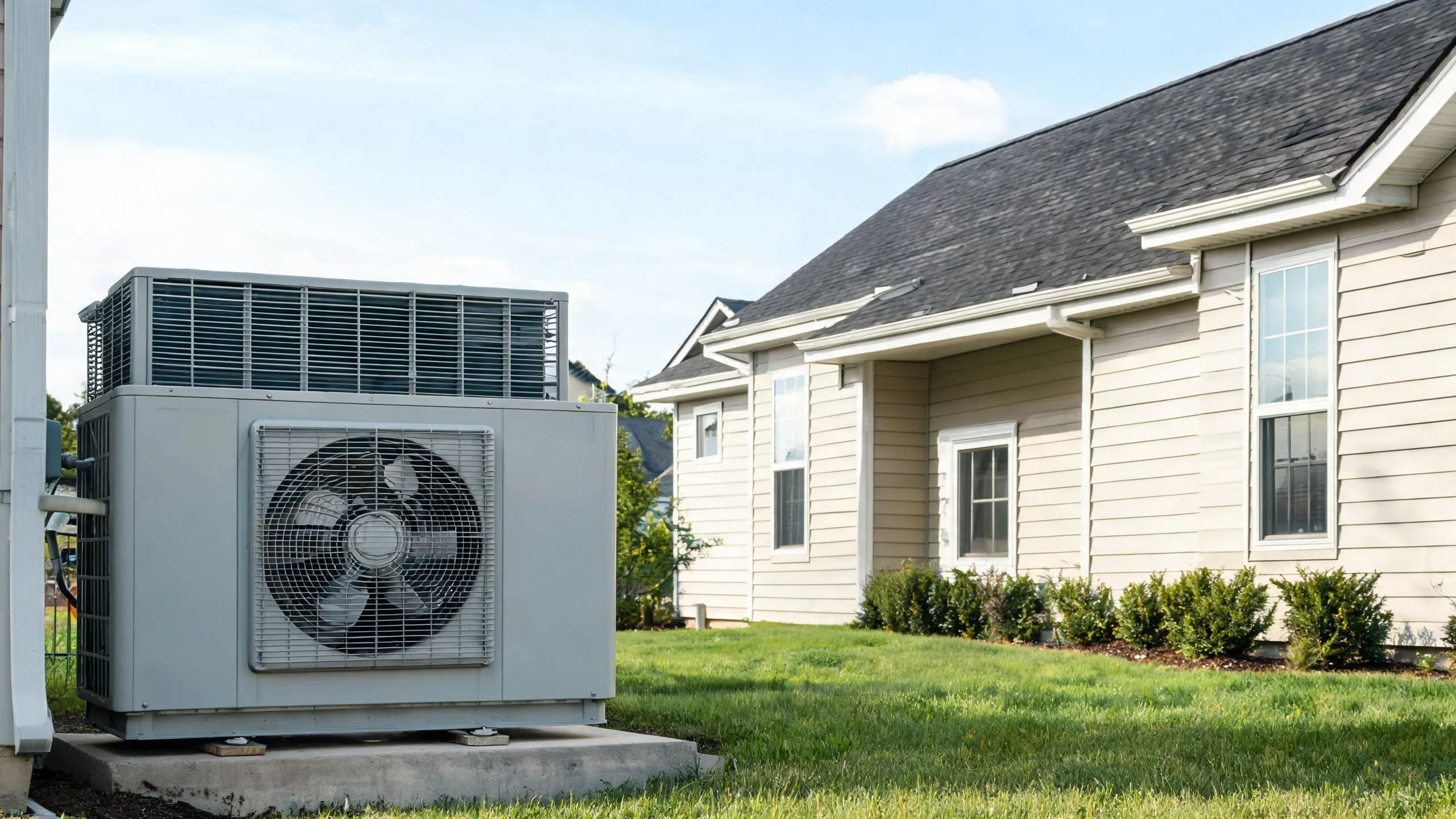
Heat Pump Repair in Lake Charles, LA
Homes here need heat from November through March and cooling from April through October. If your system quits, tell us what it's doing and a licensed contractor who covers Calcasieu Parish will get in touch.
Tell us about the job
It takes about a minute.
Your heat pump works almost every month here
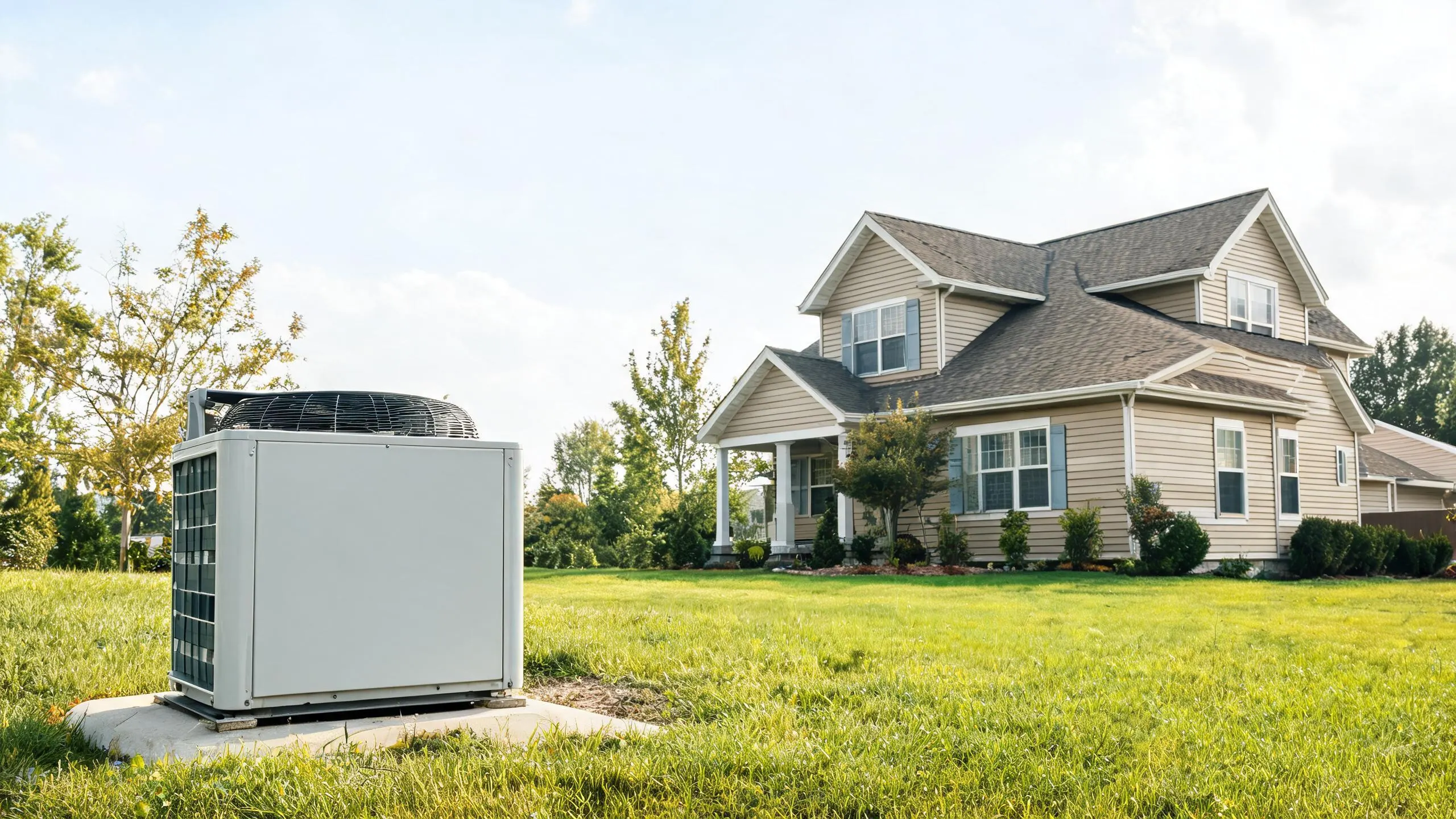
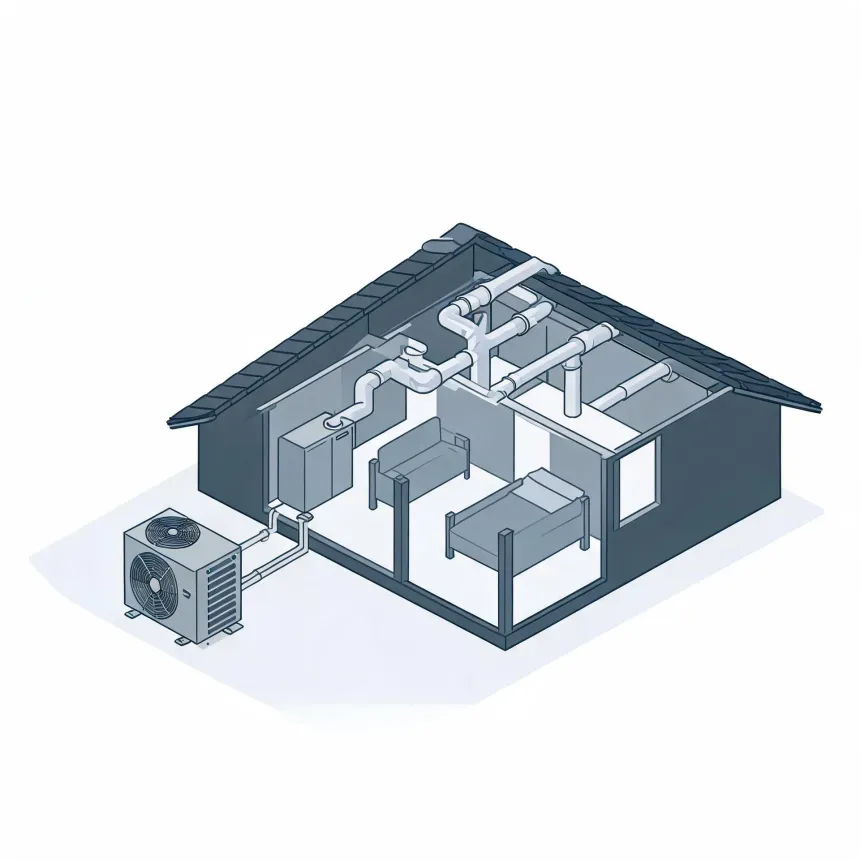
In Calcasieu Parish your heat pump runs nearly year round, cooling through summer afternoons that hit 91°F, then switching over to heat on winter nights that drop into the 44°F range. That switchover happens over and over, and the reversing valve is what handles it. A reversing valve that sticks will leave you with heat when you need cooling, or the other way around.
Most homes here heat with electricity, so when the power goes out, the heat pump stops with it. Nearly half of Louisiana households lost power for at least 24 hours in 2024, and Calcasieu Parish has seen 77 damaging wind events over the past ten years. After an outage, a heat pump that does not come back on its own often needs a reset at the thermostat or the breaker, and sometimes a service call to get it running again.
- 5 months
- November through March, your system heats
- 7 months
- April through October, it cools
- 44°F
- the average winter night it heats against
- 91°F
- the average summer afternoon it cools against
NOAA nClimDiv, 1991–2020 normals
Louisiana requires HVAC contractors to hold a state license.
The Louisiana State Licensing Board for Contractors tested the contractor and keeps a record of them. That license belongs to the business, not to any one job, so it does not get reissued or rechecked each time a crew goes out on a call.
A heat pump repair almost always means opening the refrigerant side of the system, and federal law requires the technician doing that work to hold EPA Section 608 certification, in Louisiana or any other state. The state license tells you the contractor is on record with the board. The 608 card tells you the person handling the refrigerant is trained to do it without venting it into the air or mishandling it.
Source: Louisiana State Licensing Board for Contractors
- Why is my heat pump blowing cold air?
- In heating mode, a heat pump moves warm air through the vents at a lower temperature than a furnace would, so it can feel cool even when it's working right, especially with nighttime lows near 44°F. If the air feels cold rather than mild, check that the thermostat is set to heat and not fan only. If the system is running constantly and the air stays truly cold, the unit may be stuck in defrost mode or low on refrigerant, and a contractor licensed by the state board should take a look.
- Why is there ice on my heat pump?
- A heat pump builds a light coat of frost during normal winter operation and clears it on its own through a defrost cycle. Ice that stays or keeps building up points to a real problem, usually restricted airflow from a dirty filter or coil, or a refrigerant leak. Refrigerant work requires EPA Section 608 certification, so if the ice keeps coming back after you've checked the filter, have a licensed contractor check the charge and the defrost controls.
- Why is my heat pump running but not cooling?
- If the outdoor unit and indoor blower are both running but the air coming out isn't cold, the system likely isn't moving heat the way it should. A dirty outdoor coil, a blocked filter, or low refrigerant can all cause this, and with summer afternoons here hitting 91°F, reduced airflow shows up fast as weak cooling. Since refrigerant checks require EPA certification, this is a job for a licensed HVAC contractor rather than something to diagnose further on your own.