
HVAC Installation in Hammond, LA
A new system here will heat from November through March and cool from April through October every year. Tell us about the house, and a licensed contractor who covers Tangipahoa Parish will get in touch.
Tell us about the job
It takes about a minute.

A system that runs almost every month of the year
In Hammond, something is asking for heat or cooling nearly year round. Summer afternoons average 91°F for seven months, April through October, so the air conditioner carries a long stretch of hard work. Then winter nights average 42°F from December through February, and the furnace has to answer that cold for five months.
Most homes here heat with electricity, and the parish has seen 48 damaging wind events over the past ten years, along with real winter storms. When the power goes out, close to half of Louisiana households were left without it for a day or more in 2024. A new system installed here needs to hold up to both the heat and the cold, and to start back up on its own when the power does.
- 5 months
- November through March, your system heats
- 7 months
- April through October, it cools
- 42°F
- the average winter night it heats against
- 91°F
- the average summer afternoon it cools against
NOAA nClimDiv, 1991–2020 normals
Louisiana requires HVAC contractors to hold a state license.
The Louisiana State Licensing Board for Contractors tests and licenses HVAC contractors before they can take on work like this. That license belongs to the contractor, not to any single job, so the same license covers every installation they do across the state.
For a system installation, the license tells you the contractor was tested and is on record with the state. On top of that, most cities and parishes in Louisiana require a permit for a new furnace, air conditioner or heat pump, with an inspection once the work is finished. That permit and inspection are separate from the license. They are what catches a bad connection or a wiring mistake before the system runs for years with it hidden inside the walls.
Source: Louisiana State Licensing Board for Contractors
- When should I replace my HVAC system?
- Replace it when repairs keep coming back or the system can't keep up on the hottest afternoons or coldest nights. An aging air conditioner that struggles when it's 91 degrees outside, or a furnace that can't hold the house warm when it's 42 degrees, is telling you something. Age matters too. A system running well past the manufacturer's expected lifespan is more likely to fail at the worst time, and with homes here needing heat or cooling all 12 months, there's no real off season to put it off.
- Should I replace my furnace and air conditioner at the same time?
- If both are old, replacing them together is usually the better move. A furnace and air conditioner installed at different times often don't match well, since the indoor coil and blower work with both the heating and cooling side. Homes here run cooling seven months a year and heat five, so both systems get heavy use, and a mismatched pair can mean one half of the system never runs at its best. A contractor can look at the age and condition of each unit and tell you whether pairing them makes sense for your house.
- What happens during an HVAC installation?
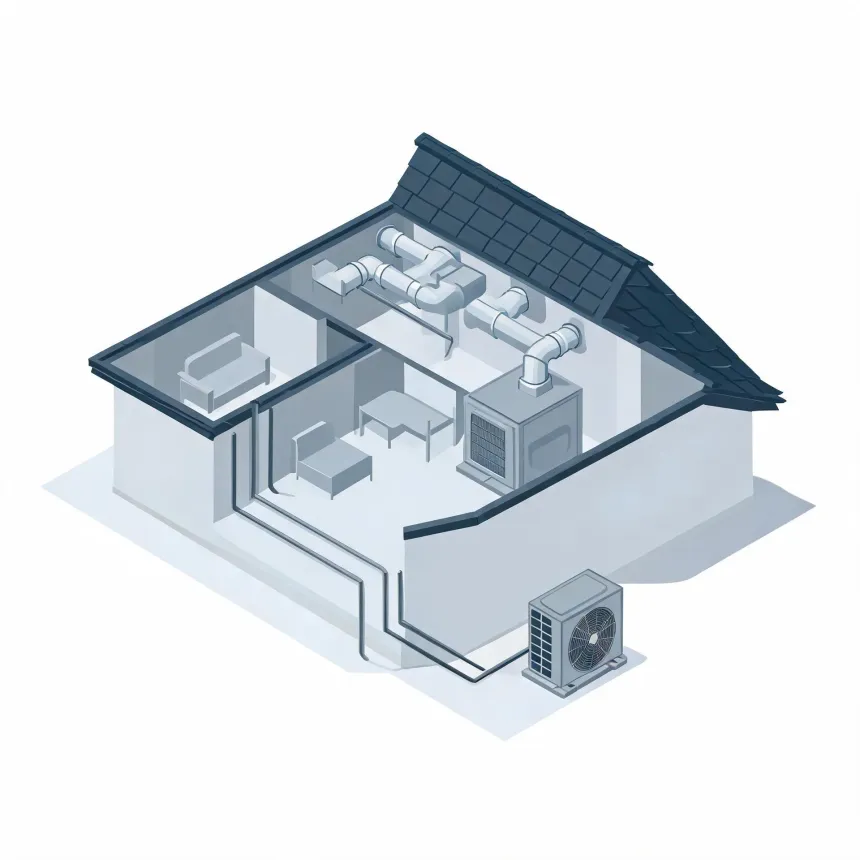
- A contractor removes the old equipment, sets the new furnace, air conditioner or heat pump in place, and connects it to the ductwork, refrigerant lines, gas line or electrical circuit it needs. They check the ducts for leaks or sizing problems, since ducts carry the air the new system moves and a bad duct run will hold back even a new unit. Louisiana requires the contractor doing this work to hold a state license, and most cities and counties require a permit and inspection once the installation is finished. The contractor pulls the permit and schedules that inspection as part of the job.