

Does duct cleaning help allergies in Louisiana

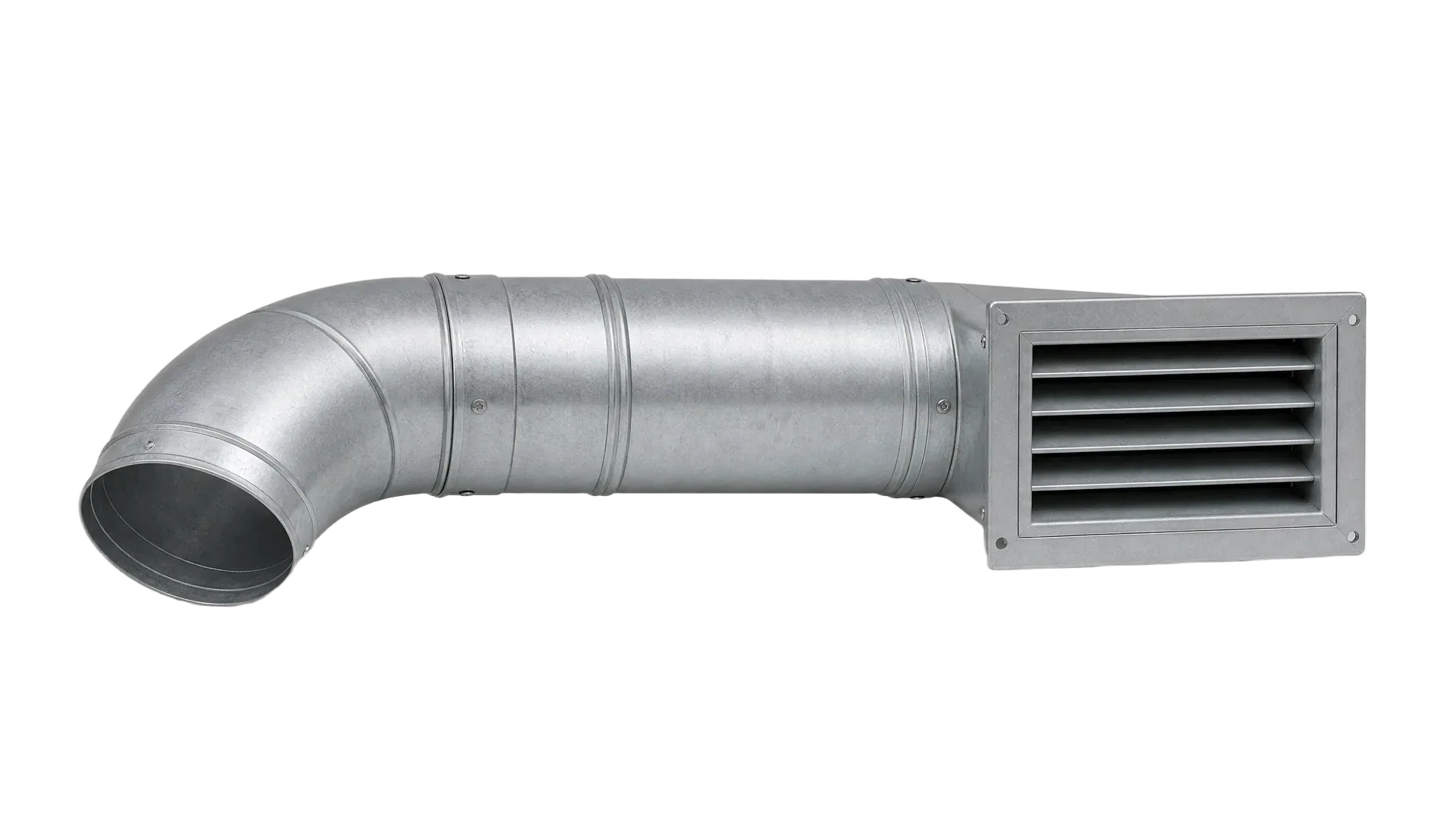
A galvanized metal round duct with a 90-degree elbow connected to a rectangular louvered vent grille, shown against a plain gray background.
Describe it once

Duct cleaning can help your allergies if what's in the ducts is actually the problem, and in Louisiana that's often the case. The humidity here keeps dust and pollen stuck to duct walls instead of settling out, and mold can grow in ducts that stay damp through a muggy summer. If dust blows out of your vents when the system kicks on, or you notice a musty smell, cleaning the ducts removes what's circulating through your house every time the air runs. It won't help if your allergies are coming from something cleaning can't touch, like a failing filter letting pollen through or humidity that's letting mold grow back as fast as it's removed. For a lot of homes here, duct cleaning paired with a good filter and some humidity control handles it. On its own, it's worth doing if your ducts haven't been cleaned in years and you can see or smell the reason why.

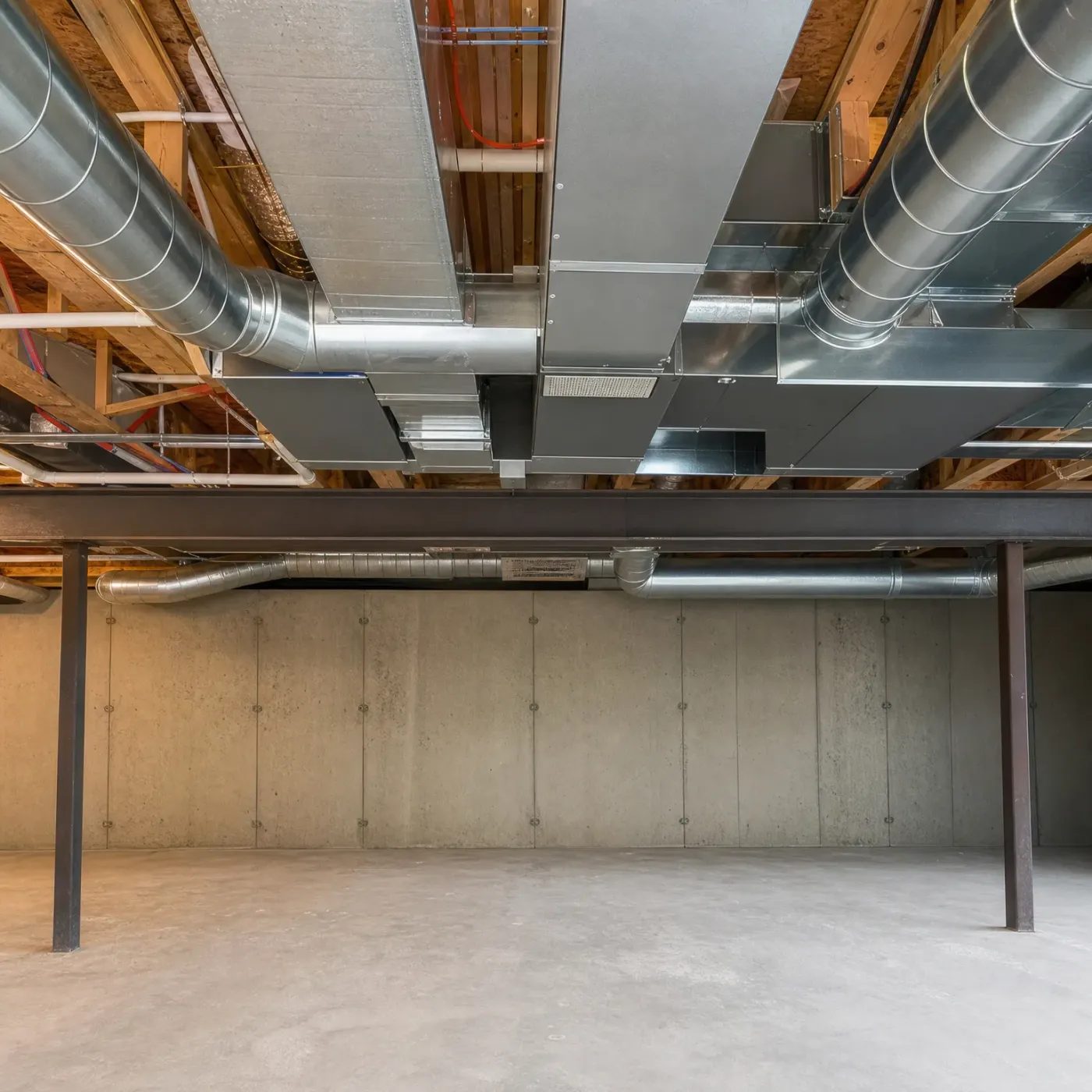
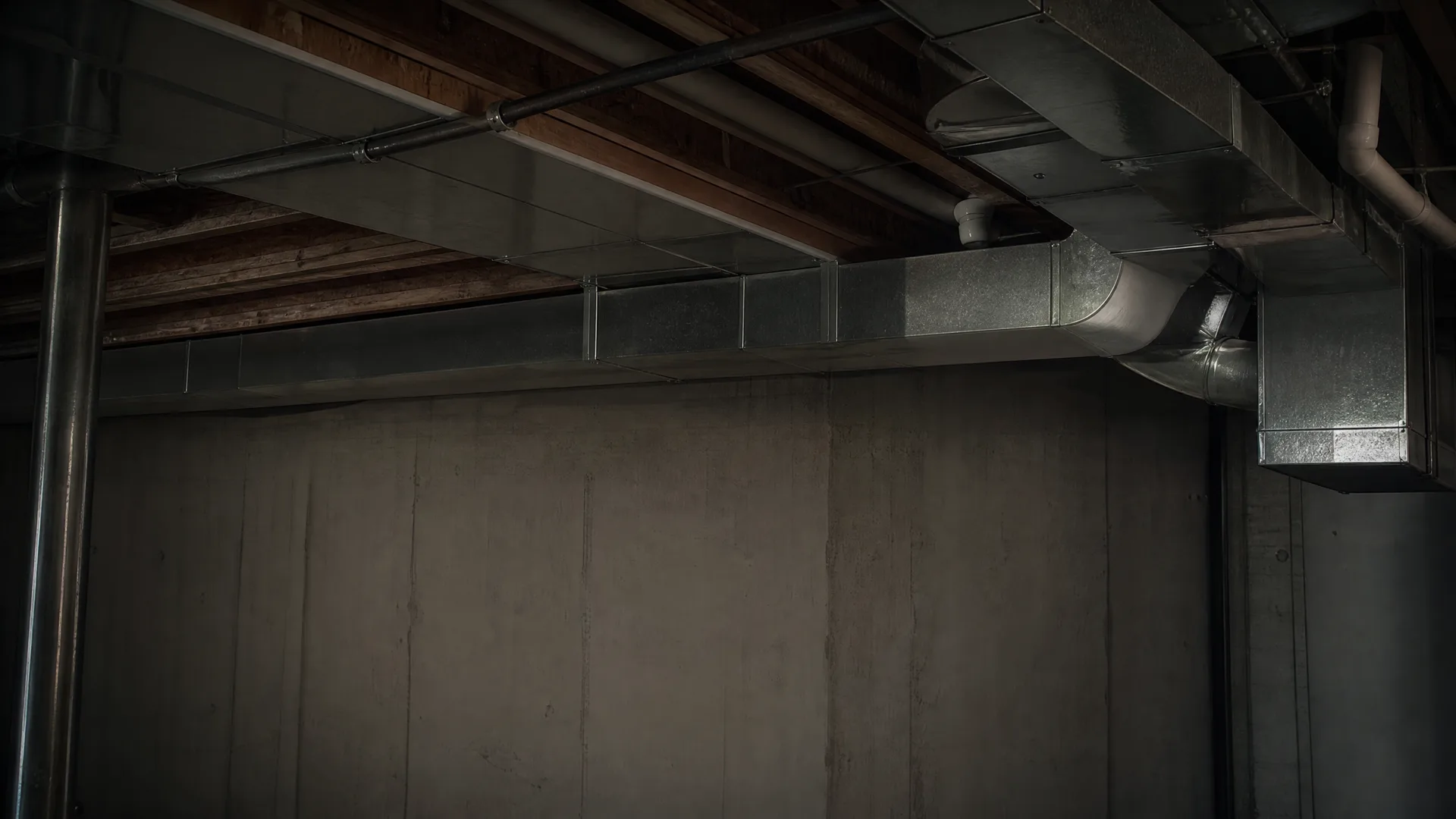
Empty basement room with bare concrete walls and floor, and an exposed ceiling of wooden joists with large galvanized sheet-metal ductwork and pipes.
Before you get your ductwork cleaning
Unfinished basement with exposed wood joists, galvanized sheet-metal ductwork, insulated flex ducts, piping, a small window, and a furnace or air handler against a gray wall.
After you get your ductwork cleaning

What duct cleaning won't fix

If your allergies flare from pollen coming through open windows, or from a pet in the house, cleaning the ducts won't touch that. It also won't fix a duct system that leaks air in the attic or crawlspace, pulling in dust and moisture from outside with every cycle a leak like that keeps feeding the ducts, so they get dirty again no matter how often they're cleaned. A contractor who looks at the whole system before cleaning it will tell you if this is what's going on.


What tells you it will

A musty smell when the air handler kicks on, dust that collects fast around your vents, or a duct system that's never been cleaned since the house was built all point to buildup inside the ducts themselves. In Louisiana's humidity, that buildup is more likely to include mold, not just dust and pollen. If your allergy symptoms get worse indoors than outdoors, especially right after the air comes on, that's a sign the ducts are circulating something instead of just moving air.

A smiling woman with long dark hair in a gray sweater sits at a white stone counter with a glass of white wine, with a kitchen, fireplace and sofa visible behind her.
A smiling woman with dark hair in a cream sweater sits at a marble table with a glass of red wine, with a lit lamp, sofa, fireplace and kitchen counter behind her.
A woman in a cream sweater laughs while seated at a marble countertop with a glass of red wine, with a dimly lit living room and sofa behind her.
A woman in a beige turtleneck sweater with her hair up sits laughing and looking to the side at a white marble table with a glass of red wine, in a dimly lit interior with a lamp and seating area behind her.

How a duct cleaning actually works

  • Dust and pollen build up on duct walls as a biofilm when humidity stays high, not as loose grit that just blows out.
  • A cleaning crew runs a brush or air whip through each branch line, then pulls debris out with a vacuum set at the main trunk.
  • The return side usually holds more buildup than the supply side, since that's the air pulled in from the house before it's filtered.
  • Mold growing on cooling coils or in standing condensate can reseed the ducts within weeks if that moisture source isn't fixed first.
  • A camera inspection before cleaning shows whether the buildup is dust and pollen or something wet growing on the duct liner.
  • Flex duct and sheet metal get cleaned differently, since flex can tear under too much brush pressure.

In Louisiana's humidity, what builds up inside ducts usually isn't loose dust sitting there waiting to be sucked out. It's stuck to the duct walls, held in place by moisture, closer to a thin film than a layer of dirt. That changes how the work gets done. A contractor will run a brush or an air whip through each branch line to break that film loose, then pull it out with a vacuum set up at the main trunk. The return side gets more attention than the supply side, since that's where house air enters the system before it ever reaches the filter, and it tends to carry more of what settles out of the air inside your home. Before any of that starts, a camera run through the ducts tells the contractor what they're dealing with. Dust and pollen look different through that camera than mold growing on the duct liner or on a cooling coil, and the second one changes the job. Mold feeding on standing condensate can grow back within weeks if the moisture behind it isn't dealt with first, so cleaning alone doesn't hold. The material matters too. Flex duct tears if a brush gets pushed through it the way sheet metal can take, so the two get handled with different tools and different pressure. None of this is a once-over with a shop vac.

Unfinished basement with concrete walls and floor, a steel beam on posts, and exposed wooden joists with sheet-metal ductwork and piping overhead.
Clean steel ductwork like this moves air the way it was designed to, with no loose dust riding along with it.
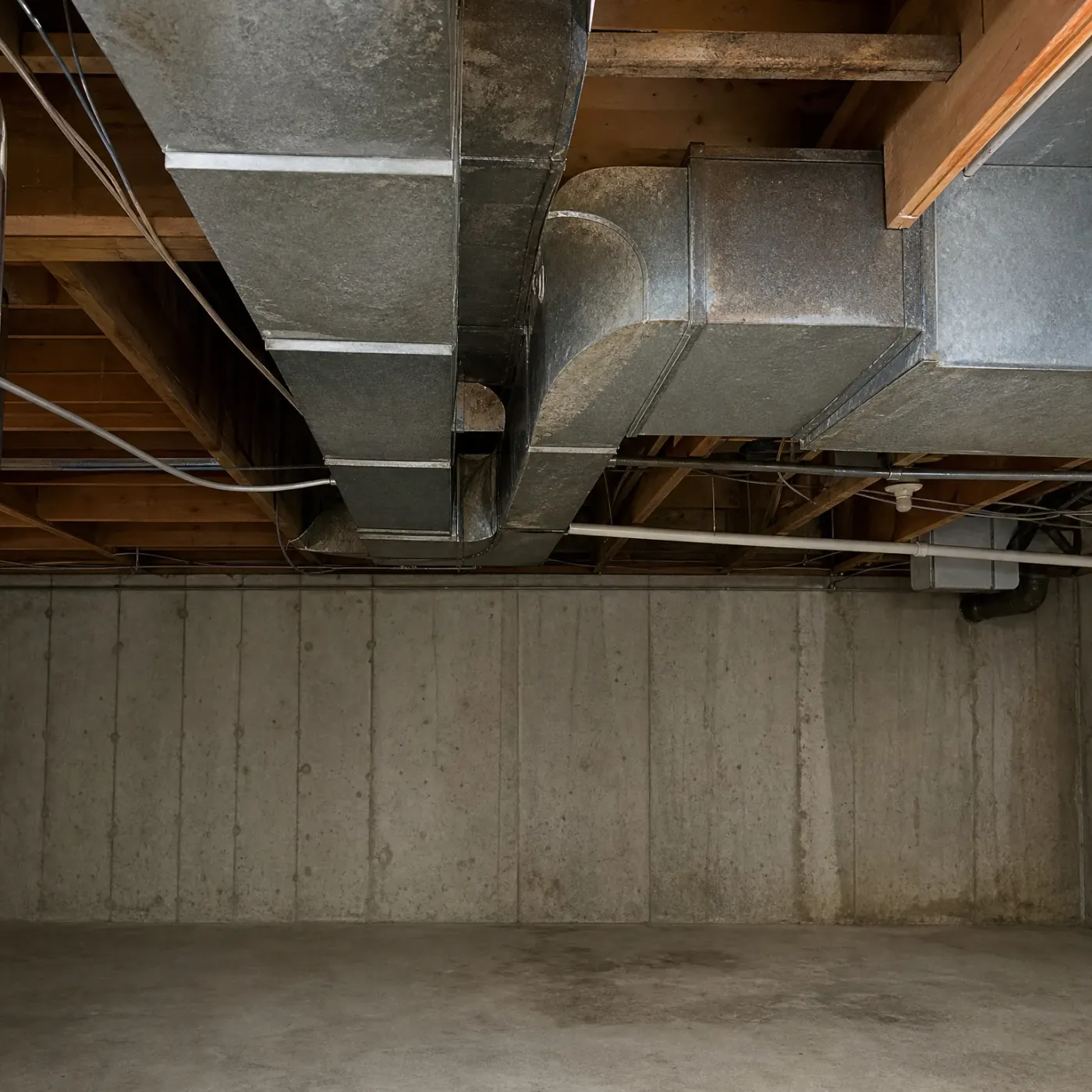
Unfinished basement with bare concrete walls and floor, and galvanized sheet-metal HVAC ducts, pipes and wiring running along the wood-joist ceiling.
Ductwork sharing space with wiring and plumbing like this collects dust in corners airflow doesn't reach on its own.
  1. A tech inspects each duct run with a camera to find buildup.

  2. A negative air machine connects to the trunk line to contain debris.

  3. A brush or air whip knocks buildup loose inside each branch line.

  4. The vacuum pulls loosened dust and debris out through the trunk.

A smiling middle-aged man in a dark green sweater sits at a candlelit table with wine glasses and a plate of greens in a dimly lit interior.
A woman in a dark knit turtleneck sweater reclines on a couch under a cream knit blanket, looking down at an open book, with a lit table lamp and framed pictures behind her.

Describe it once

Finding out whether your ducts are actually behind your allergies usually means getting someone out to look inside them with a camera, since you can't see buildup through a vent cover. Left on your own, that means calling around to a few companies, explaining the same thing about your house each time, and sitting with quotes that are hard to compare because no two crews describe the job the same way. A contractor who works on duct systems in Louisiana every week has seen what the humidity here does to them, where the mold tends to start, and which runs usually need the most attention. Sending your request to one local contractor instead of several means you're not fielding a string of calls about the same job. If what you're dealing with is years of buildup from the kind of damp air that doesn't let up for long here, someone who already knows that pattern is the one to have look at it.

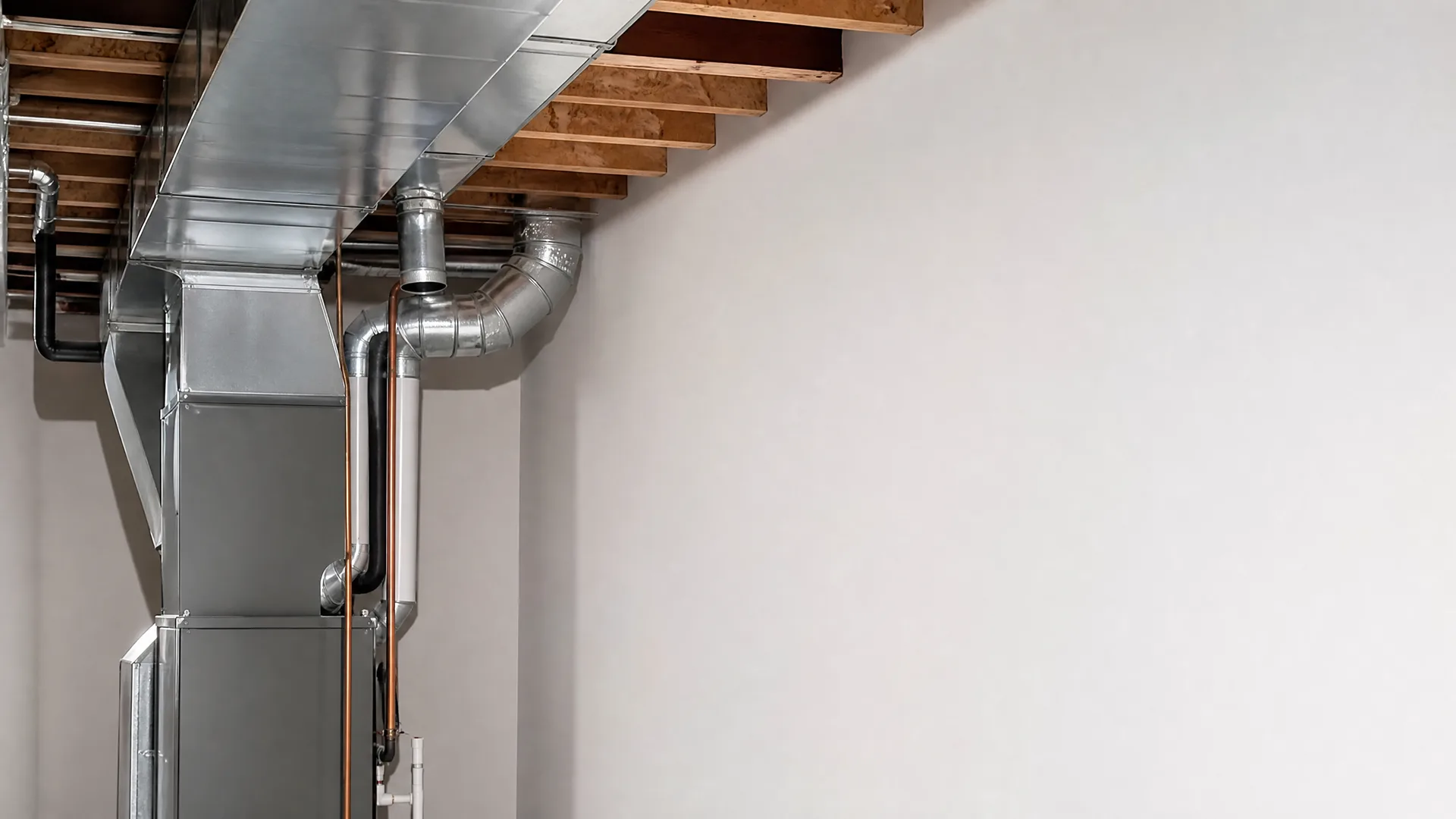
Basement interior showing a furnace with sheet-metal ductwork, a round flue pipe and copper lines running beneath exposed wooden floor joists next to a plain light-colored wall.

What you'd notice at home

If buildup in the ducts is feeding your allergies, it usually shows up as symptoms that track with the air handler running. Your eyes or sinuses act up more after the AC has been cycling for a while, and ease off when it's been off, like early morning before the house heats up. Dust on furniture comes back fast after you wipe it down. A musty smell near the vents, especially in rooms that stay closed up, points to the same source.

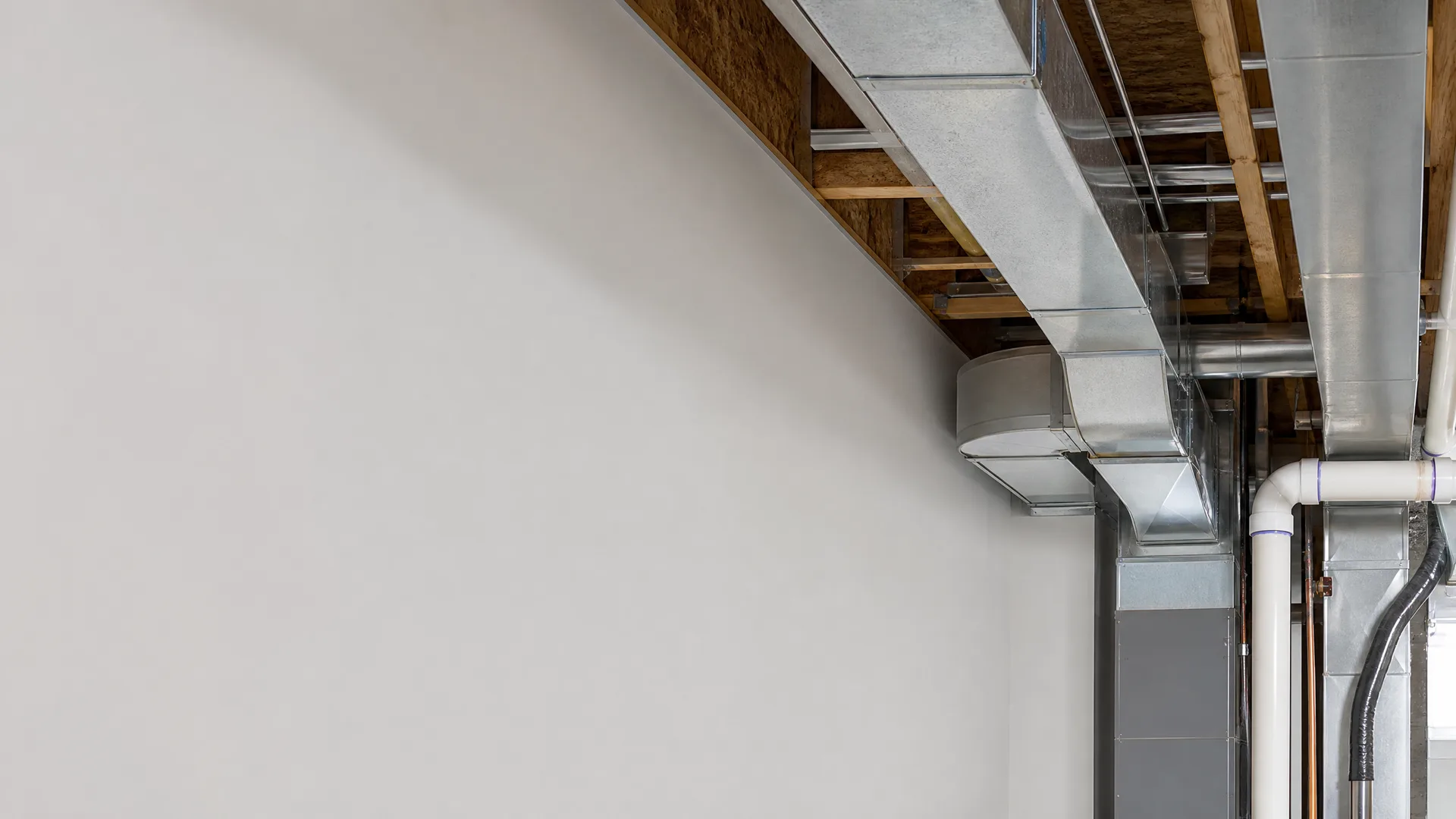
Interior corner of a building with a large blank white wall beside an unfinished ceiling showing wood joists, galvanized sheet-metal ductwork, and white and copper pipes.

What stays in the air meanwhile

Louisiana summers run long, and your system moves air through those ducts for months without a break. Every pass pushes whatever is stuck to the duct walls back into the rooms you spend your evenings in. A bedroom you keep closed most of the day can hold onto that dust and mold longer than rooms with more airflow, since there's less fresh air moving through to dilute it between cycles.

Power costs 12.52 cents per kilowatt-hour statewide

Louisiana power runs 12.52 cents a kilowatt-hour, and most homes here heat with electric strip heat or a heat pump. That means a blower that's working harder than it should, pushing air through ducts coated in stuck-on dust and pollen, shows up on your bill as well as in your sinuses.

EIA-861 2025 statewide residential average

A closed silver laptop and a white cup of coffee on a saucer sit on a wooden table in front of a wooden chair, a plain beige wall, a potted leafy plant and a window with greenery outside.

So, does it help

If your sinuses act up more when the AC has been running and settle down when it's been off, duct cleaning is worth doing. The buildup on those duct walls is the kind of thing a camera inspection confirms, not a guess. If your symptoms track with pollen outside or a pet inside, clean ducts won't change how you feel.

Finding that out on your own means calling a few companies, describing the same symptoms each time, and sorting through quotes that don't tell you much until someone's actually looked inside your ducts. A local contractor who does this work knows what to check and what it means once they find it, and you only have to explain your situation once.

A large weathered ceramic vase and a shallow wooden bowl sit on a rustic wooden table beside a window with linen curtains, with a blurred sofa with cushions and a hanging fabric panel in the background.
Dimly lit basement interior with galvanized sheet-metal ductwork and round pipes running along wooden floor joists above a bare concrete wall.

No phone calls to make

Your request stays with one local pro.

Duct and vent cleaningDucts or ventsLouisiana
Step 1 of 2

What ZIP code is the job in?