



Louisiana HVAC Pros
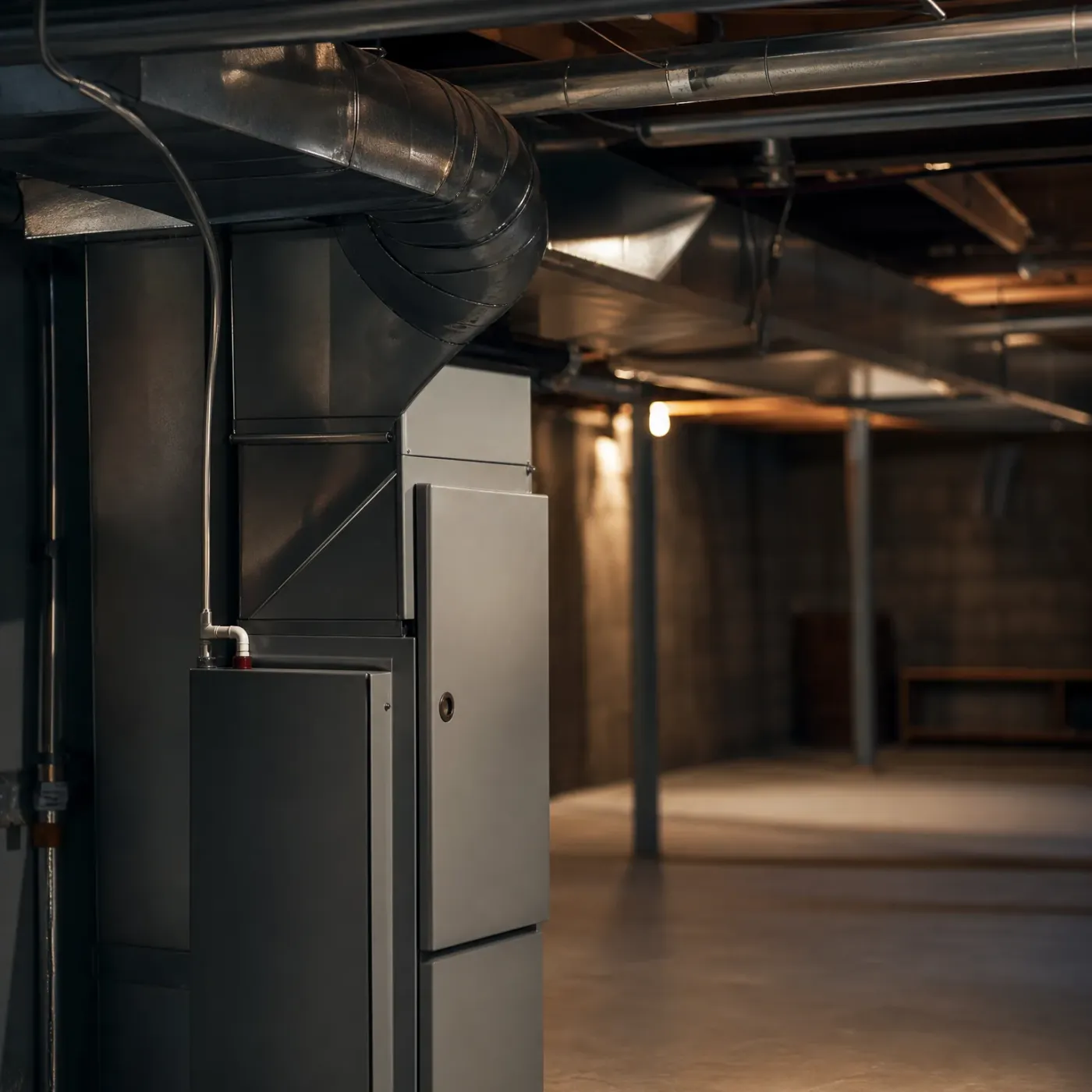
A basement interior with a gray furnace or air handler unit connected to large sheet-metal ductwork running along the exposed joist ceiling, with support posts and a concrete block wall in the dim background.

Get your ductwork to the right pro

Signs your air ducts need cleaning in Louisiana

Dust on the vents, a musty smell when the AC kicks on, more allergies than usual indoors. With Louisiana humidity working through your ductwork most of the year, it's worth knowing which signs mean dirt and which mean something else. This page walks through what to look for and what it means for your system, so instead of calling around and explaining your ducts to one contractor after another, you can get matched with one who already knows what you're dealing with.

Find my pro

The clearest signs are dust that resettles on furniture within a day of cleaning, a musty smell when the AC first kicks on, and visible dust or debris around the vent covers themselves. Louisiana's humidity means ducts stay damp longer than they would in a drier climate, and damp dust turns into mold growth or grime buildup faster than you'd expect. If you pull a vent cover and see black specks or a greasy film, that's buildup, not just surface dust. Weak airflow from some rooms while others blow fine points the same direction, since caked-on debris narrows the duct and chokes air moving through it. None of this means the system is broken. It means what's moving through the ducts is carrying more than air, and it's settling somewhere inside them instead of outside your house. Catching it now, before it's heavy enough to shed into every room, is a smaller job than catching it after a full summer of humid air pushing through dirty ducts.

A woman in a cream cowl-neck sweater sits by a window with snow outside, in a dimly lit living room with a sofa, lit lamp, mirror, candles and a fireplace.
A woman in a gray turtleneck sweater sits beside a large window looking out at snow-covered evergreen trees, in a dimly lit living room with a lit fireplace, lamps, couch and houseplant.
A woman in a cream turtleneck sweater stands beside a large window with snow-covered ground and bare trees outside, in a dimly lit living room with lamps, a sofa and framed art.
A woman in a grey cowl-neck sweater stands indoors near a window, looking out at falling snow, with a lamp, framed picture and couch in the warmly lit room behind her.

Why humidity changes the picture

Ducts in a dry climate can carry plain dust for years without much happening to it. Here, that same dust sits in air that stays damp for long stretches, and damp dust is what mold needs to take hold. Once mold is growing on the inside of a duct, cleaning it out stops the spores from spreading through the house every time the blower kicks on. That is different from a duct that is just dusty. A dusty duct is a nuisance. A duct with mold growing in it is pushing that mold into every room on the system.


What a dirty filter won't tell you

A lot of homeowners check the filter and figure that settles it, but the filter only catches what passes through it going one direction. Dust and debris already sitting in the duct runs themselves, especially in the bends and low points, never touch the filter at all. You can run a clean filter for months and still have buildup further down the line, particularly if the ductwork is long or has a lot of turns. The filter tells you about incoming air. It doesn't tell you what's already settled inside the metal or flex duct behind your walls and in the attic.

Empty concrete-walled basement room with galvanized rectangular and round HVAC ducts and pipes running along the exposed wood-joist ceiling.
Before you get your ductwork cleaning
Unfinished basement with galvanized sheet-metal ductwork and pipes beneath wood joists, a gray furnace unit at left, insulated plastic-covered walls over a concrete foundation, and a bare concrete floor.
After you get your ductwork cleaning
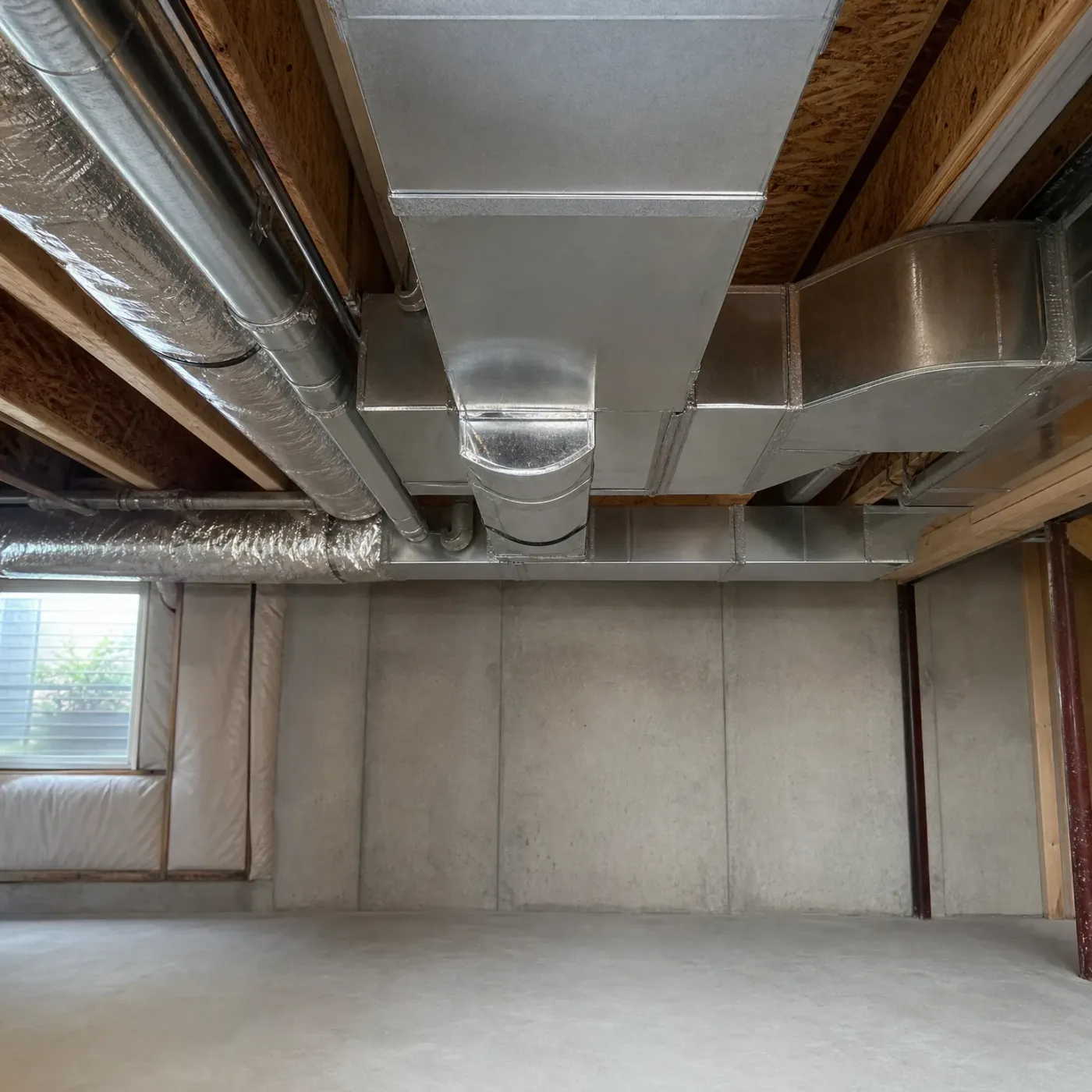
Empty unfinished basement with bare concrete walls and floor, showing galvanized sheet metal ductwork, insulated flexible duct, and pipes running along the wood-framed ceiling, with a small window at left.

Ducts running clean

Air moves through the metal without resistance, and the vents stay free of the gray buildup that collects when dust has somewhere to cling. No musty pull of air when the AC first kicks on. Nothing to send through the house but the air itself.

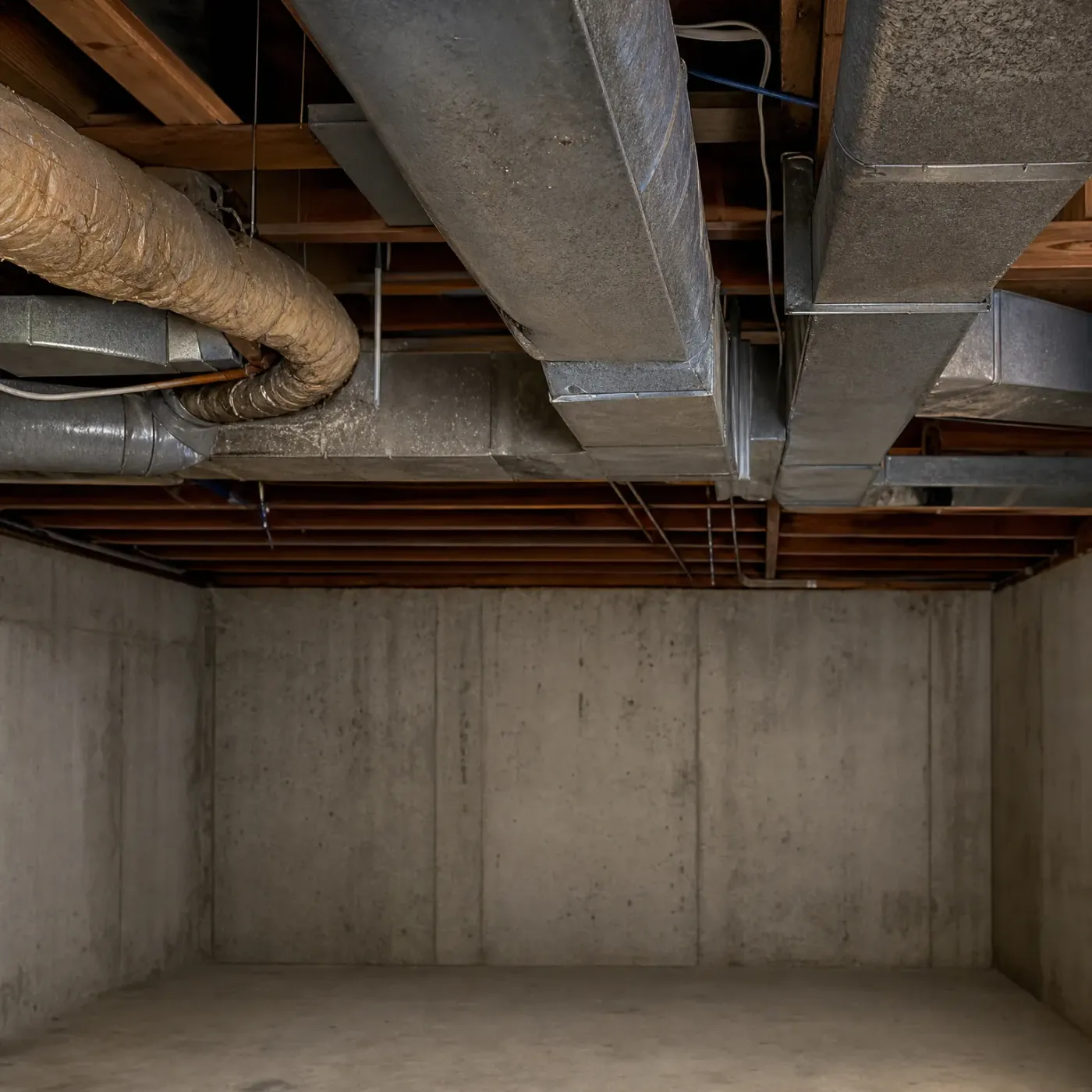
Empty basement room with bare concrete walls and floor, with exposed wooden joists, sheet-metal HVAC ducts, an insulated flexible duct, and pipes running across the ceiling.

Ducts in trouble

The flex duct and metal runs here are doing the same job, but dust and moisture have had time to build up inside them. That mix is what feeds mold once it gets a foothold, and it's what pushes dust back out through every vent in the house.

Power costs 12.52 cents per kilowatt-hour statewide

At 12.52 cents per kilowatt-hour, your AC already runs long hours pushing air through those ducts all summer. Clogged, dusty ductwork makes the system work harder to move the same air, and that shows up on your bill before you ever see dust on the furniture.

EIA-861 2025 statewide residential average

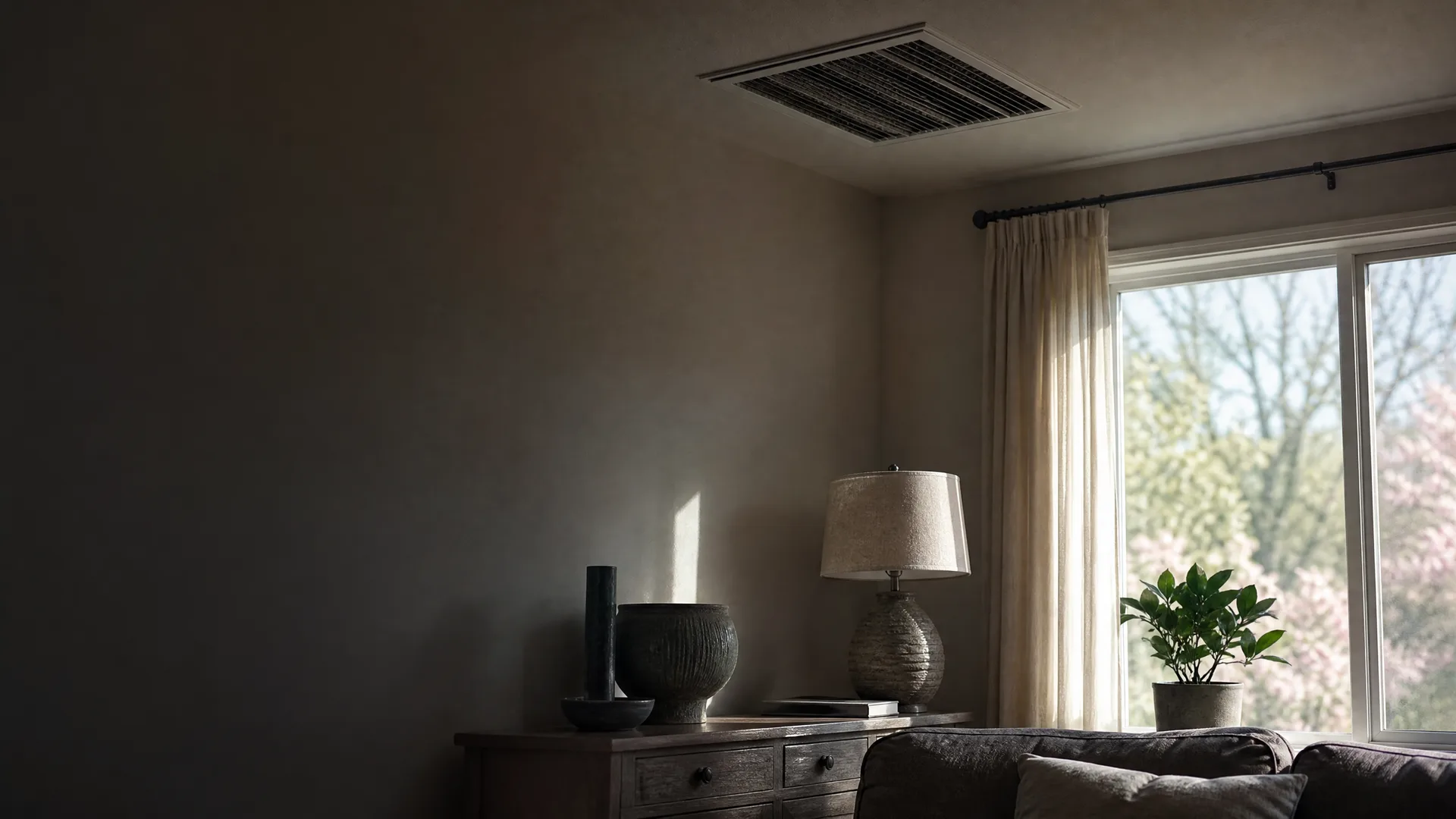
A dim living room corner with a ceiling air vent, a curtained window showing blossoming trees, a table lamp and dark ceramic vessels on a wooden dresser, a potted plant, and a sofa in the foreground.

It's a quiet Sunday afternoon in April, sun coming through the living room windows. You're running a dust cloth over the side table for the second time this week and it's already gray again. You look up and notice the ceiling vent grille above the couch, a thin gray film across the slats, a little more built up in the corners. The couch cushions underneath have the same dust settled into the fabric. You wipe the table again, knowing it'll look the same by Tuesday, and start thinking about who you'd even call to come look at the ductwork instead of just the room.

The right pro for this job

You've read the signs above and maybe you've already checked them against your own vents, your own ceiling grille. If two or three of them matched, the next step is someone who can look at the ductwork itself and tell you what's actually in there. Finding that person on your own means searching for duct cleaners who work in your area, calling a few, describing the musty smell and the dust that keeps coming back to each one, then waiting on quotes to compare. That's the part this page takes off your hands. A contractor who handles this work in your part of Louisiana gets your information and reaches out to you directly. You explain your situation once, to someone who's already equipped to deal with it. With the humidity here keeping ducts damp for months on end, dust that resettles fast and a smell that won't go away are worth having someone look at soon rather than waiting through another muggy season to see if it clears up on its own.

What the Signs Add Up To

  • Dust that resettles on furniture within a day of cleaning points to the ducts, not the room.
  • A musty smell when the AC first kicks on usually means moisture has let something grow inside the ductwork.
  • Visible dust or debris around the vent covers is a sign of what's already built up further back in the system.
  • More allergy symptoms indoors than outdoors, especially right after the AC cycles on, tracks back to what the air is picking up.
  • Weak airflow at the vents alongside these signs means buildup is narrowing the path the air has to move through.
  • None of these signs confirm mold on their own, but two or three together are worth having someone look at.

Dust is the easy one to blame on housekeeping, but when it resettles within a day of cleaning, the source is moving air, not a dirty rag. The musty smell at startup, the gray collar around the vent covers, allergy symptoms that ease up the moment you leave the house: none of these happen on their own. Each one points back to the same place, the ductwork carrying air through your home every time the AC cycles. Louisiana's humidity is what turns ordinary dust into something worth checking on. Dry dust just sits there. Damp dust, sitting in a duct system that holds moisture most of the year, is what mold needs to get started, and once it has a foothold, every cycle of the AC pushes a little more of it into the rooms you're standing in. Weak airflow alongside any of these signs means there's less room left for air to move, which is its own kind of answer. One sign by itself might mean nothing. Two or three together, especially if they've shown up in the same few weeks, are not something to wait out. You don't need to diagnose what's actually built up back there. You need to know whether what you're seeing is reason enough to have someone check, and if dust, smell, and allergies are all pointing the same direction, it is.

A bearded man in a plaid flannel shirt stands indoors beside a wood-framed, frost-covered window, looking outside, with a steaming brown mug on the sill and a wooden cabinet behind him.
A smiling bearded man in a green t-shirt sits on a gray sofa, looking down toward a device at the bottom of the frame, with a bookshelf and a green plant blurred behind him.

Ductwork Cleaning

Matched to your ductwork job

Answer a few questions instead of calling shop after shop.

A black smartphone standing upright against a plain light gray background, its screen filled with solid green.
Duct and vent cleaningDucts or ventsLouisiana
Step 1 of 2

What ZIP code is the job in?