Heat Pump Repair in Bossier City, LA
Homes here need heat from November through March and cooling from May through September. If your system quits, tell us what it's doing and a licensed contractor who covers Bossier Parish will get in touch.
Tell us about the job
It takes about a minute.
Ten months of work a year, with little rest
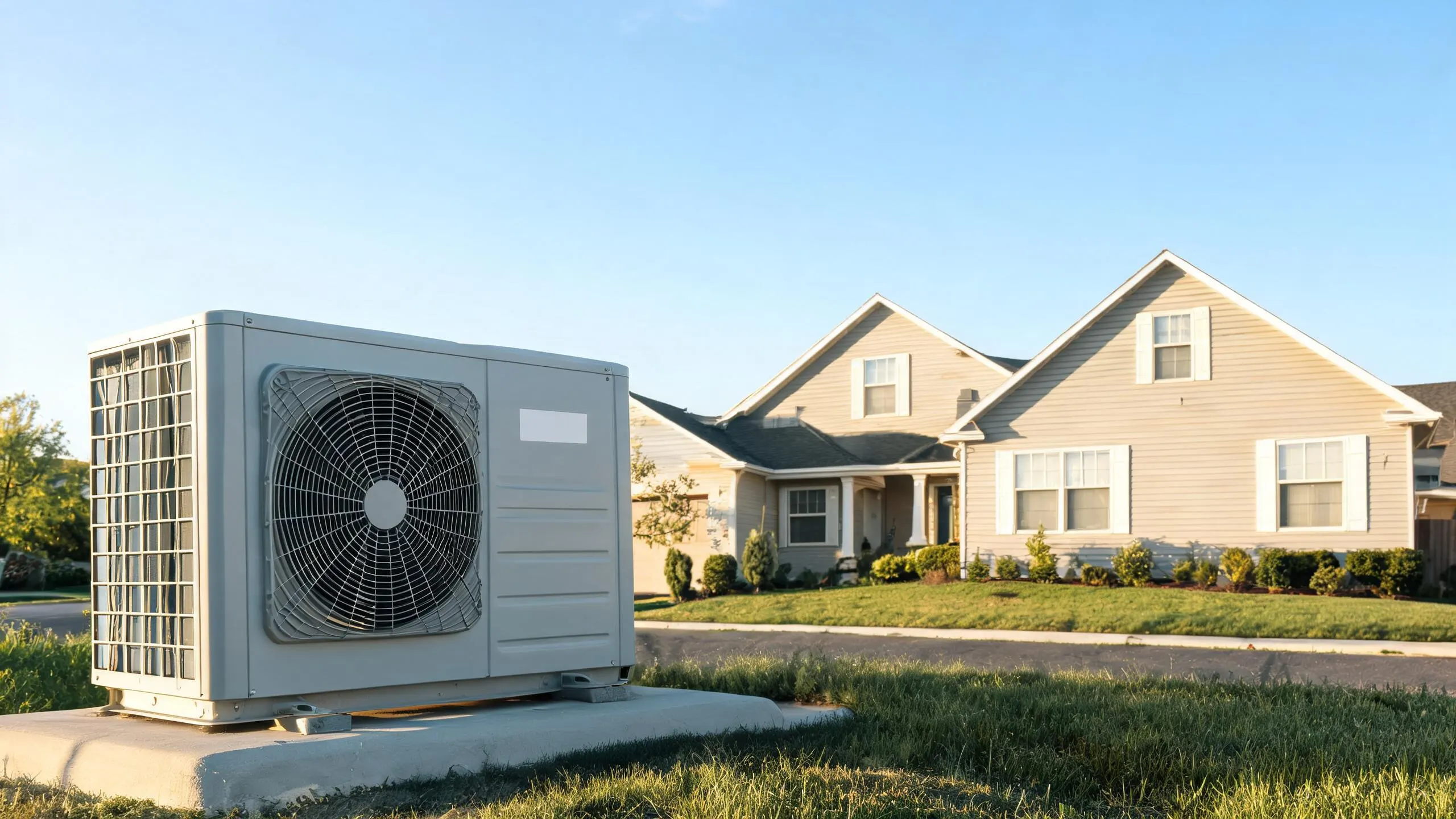
Your heat pump runs from November through March to keep the house warm, then switches over and runs May through September to keep it cool. That is ten months of the year with almost no break, and the switchover itself puts strain on the reversing valve every time it happens.
Winter nights here average 38°F, mild enough that the heat pump does most of the work itself instead of handing off to backup heat. That means the compressor is running on cold nights all winter long, not just on the coldest ones. Summer afternoons average 92°F, so the outdoor unit is working hardest right when it is hottest outside. Add in the wind, Bossier Parish has seen 116 damaging wind events over the past ten years, and outdoor units take a beating from debris and knocked loose panels. When the compressor or the reversing valve gives out, you will notice the system running but not warming or cooling the house the way it should.
- 5 months
- November through March, your system heats
- 5 months
- May through September, it cools
- 38°F
- the average winter night it heats against
- 92°F
- the average summer afternoon it cools against
NOAA nClimDiv, 1991–2020 normals
Louisiana requires HVAC contractors to hold a state license.
The Louisiana State Licensing Board for Contractors tests and records the contractor, not each individual job. So the license you check on a contractor is tied to the business itself, and it carries over from one repair to the next rather than being issued fresh for your heat pump.
A heat pump repair means someone is likely opening the refrigerant side of your system, and that requires EPA Section 608 certification no matter what state you're in. That certification is federal, separate from the state license, and it is what stands behind the part of the job the state license alone does not test for.
Source: Louisiana State Licensing Board for Contractors
- Why is my heat pump blowing cold air?
- In heating mode, a heat pump moves warm air through the vents at a lower temperature than a furnace does, so it can feel cool even when it's working right. If the air feels truly cold and never warms up, the system may have lost refrigerant charge, iced over outside, or lost heat from a bad reversing valve. A stuck reversing valve is a common cause and it takes a licensed contractor to test and replace it.
- Why is there ice on my heat pump?
- Some frost on the outdoor unit during a cold snap is normal, and the system should run a defrost cycle every so often to clear it. Heavy ice that builds up and stays means the defrost cycle isn't kicking in, airflow across the coil is blocked, or the refrigerant charge is off. Check that nothing is stacked against the outdoor unit and that the fan spins freely. If the ice keeps coming back, the defrost control board or a sensor likely needs a contractor's attention.
- Why is my heat pump running but not cooling?
- If the outdoor unit is running but the air inside isn't cooling, the most common cause is low refrigerant from a leak, or a dirty coil that can't shed heat. Check the air filter first, since a clogged one restricts airflow and can make the system seem like it's not cooling. Refrigerant work requires a technician with EPA Section 608 certification, since it means opening the sealed side of the system. With afternoons here reaching 92°F, a heat pump that's low on charge will struggle to keep up, and a licensed contractor will need to find the leak, not just add refrigerant.