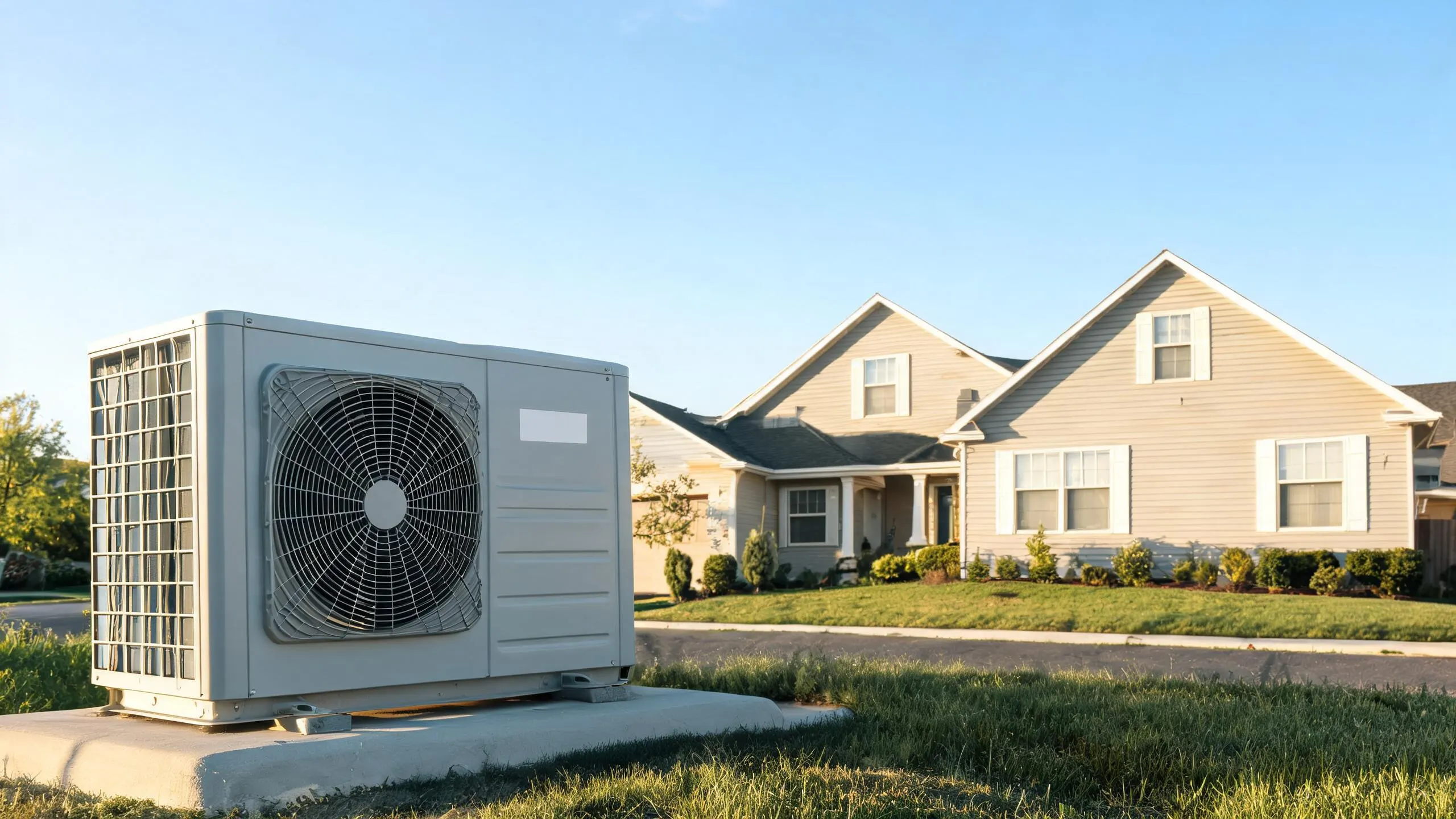
Heat Pump Repair in Crowley, LA
Homes here need heat from November through March and cooling from April through October. If your system quits, tell us what it's doing and a licensed contractor who covers Acadia Parish will get in touch.
Tell us about the job
It takes about a minute.
A Crowley heat pump runs almost every month of the year
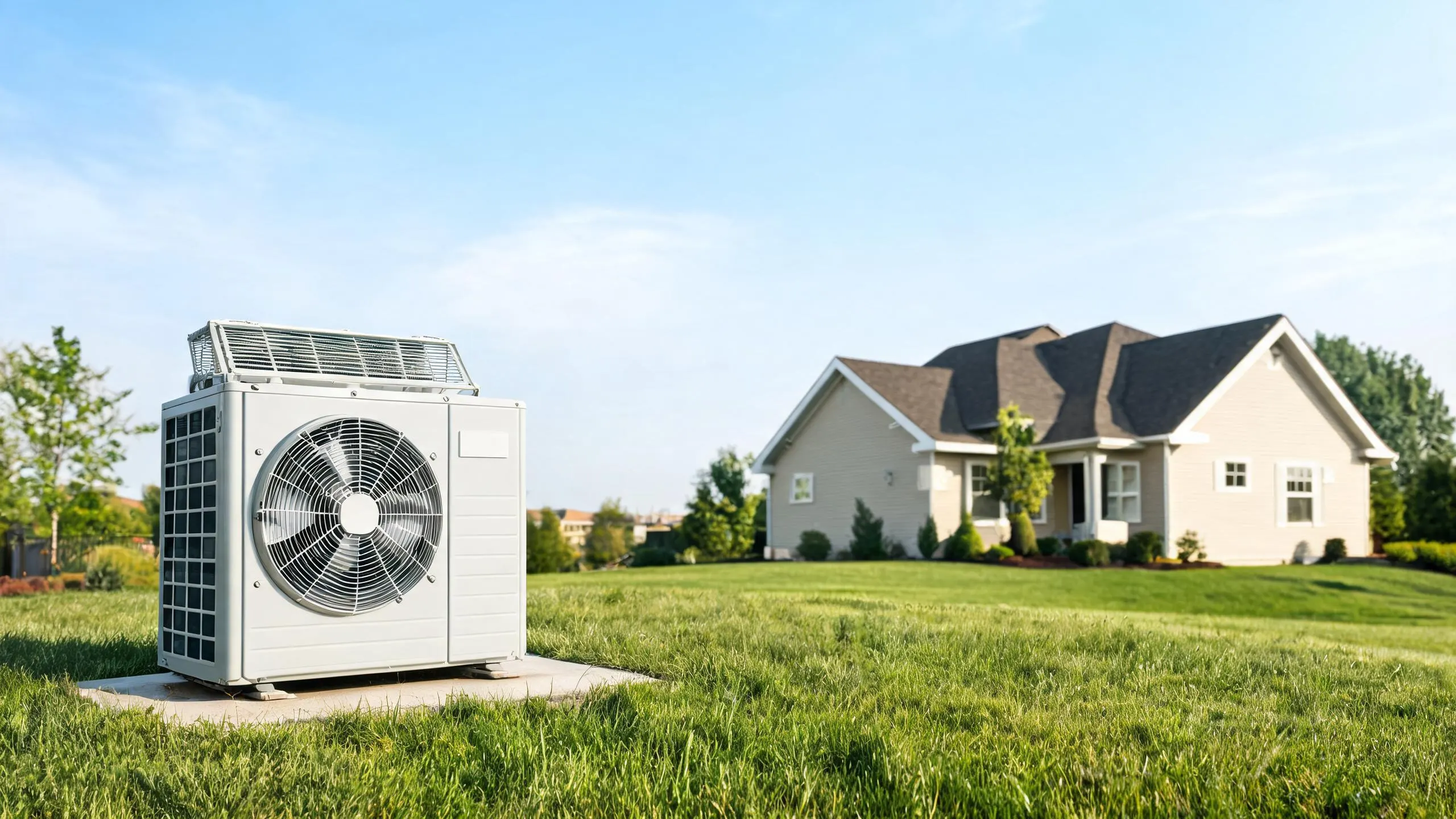
Winter here is mild, but it is not short. Your heat pump switches over to heat mode by November and stays there into March, then flips back to cooling for the long stretch from April through October. There is almost no season when it sits idle. That kind of year-round duty wears on the compressor and the reversing valve, the part that switches the system between heating and cooling. A reversing valve that sticks will leave you heating when you want cooling, or the other way around.
Summer afternoons averaging 91°F push the compressor hard for months at a stretch. On winter nights near 44°F, the outdoor unit works to pull in heat from air that is already cold, and a low refrigerant charge or a failing defrost control shows up fast in weather like that. Acadia Parish has also seen 48 damaging wind events over the past ten years, and nearly half of Louisiana households lost power for a day or more in 2024. A heat pump that loses power mid-cycle can trip a breaker or need a manual reset before it will run again.
- 5 months
- November through March, your system heats
- 7 months
- April through October, it cools
- 44°F
- the average winter night it heats against
- 91°F
- the average summer afternoon it cools against
NOAA nClimDiv, 1991–2020 normals
Louisiana requires HVAC contractors to hold a state license.
The Louisiana State Licensing Board for Contractors tests contractors before issuing that license and keeps a record of who holds one. The license covers the contractor as a whole, not the specific job at your house, so the same license that qualifies someone to install a furnace also qualifies them for the heat pump repair on this page.
A heat pump moves refrigerant, so whoever opens that side of the system also needs EPA Section 608 certification. That is a federal requirement and applies no matter what state the work is done in.
Source: Louisiana State Licensing Board for Contractors
- Why is my heat pump blowing cold air?
- In heating mode, a heat pump does not put out air as hot as a furnace does, so it can feel cold even when it is working right. Hold your hand to a vent for a few seconds rather than a quick pass, since air that feels cool at first often reads warm on a thermometer. If the air is truly cold, or the system is blowing cold during a call for heat with no warm-up at all, the reversing valve may be stuck in cooling mode, or the unit could be low on refrigerant. Both need a licensed contractor, and anyone opening the refrigerant line needs EPA 608 certification to do it.
- Why is there ice on my heat pump?
- Some frost on the outdoor unit during winter is normal, and the system defrosts itself on a timer, melting that frost away every hour or so. If ice is building up faster than it clears, or you see a thick, solid layer that never melts, something is keeping the unit from defrosting properly. That points to a failed defrost control, a stuck reversing valve, or low refrigerant, and low refrigerant means a leak somewhere in the line. A licensed contractor can tell you which one it is, since opening the system to check refrigerant charge requires EPA 608 certification.
- Why is my heat pump running but not cooling?
- If the outdoor unit and indoor blower are both running but the air coming out is not cold, the system likely is not moving refrigerant the way it should. A dirty outdoor coil, a failing compressor, or a refrigerant leak can all cause this, and each shows up a little differently. With summer afternoons here averaging 91°F, a heat pump that runs all day without cooling the house is worth having looked at soon rather than waiting. A licensed contractor will need to check the refrigerant charge to know for sure, and that work requires EPA 608 certification.