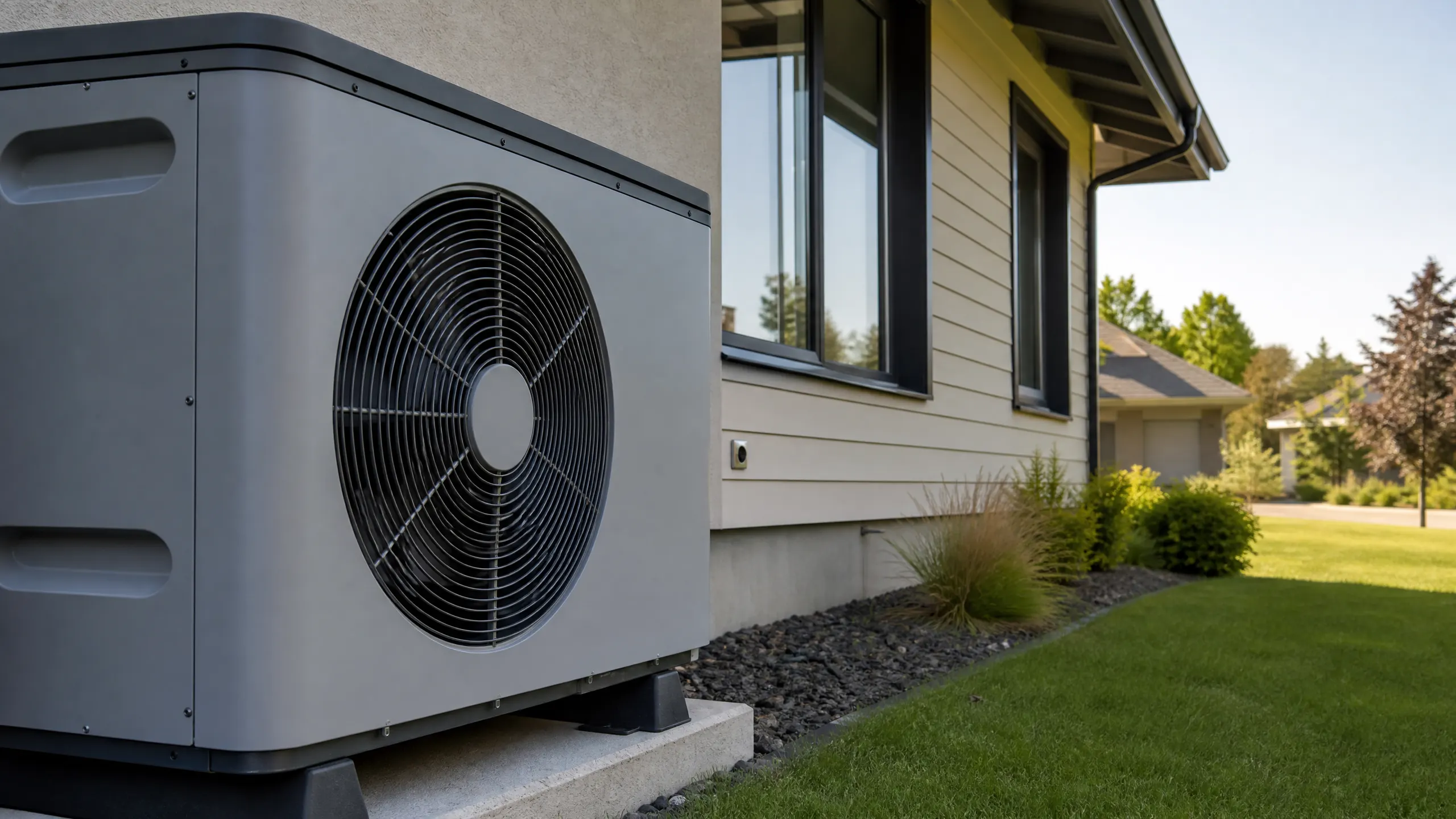
Heat Pump Repair in New Iberia, LA
Homes here need heat from November through March and cooling from April through October. If your system quits, tell us what it's doing and a licensed contractor who covers Iberia Parish will get in touch.
Tell us about the job
It takes about a minute.
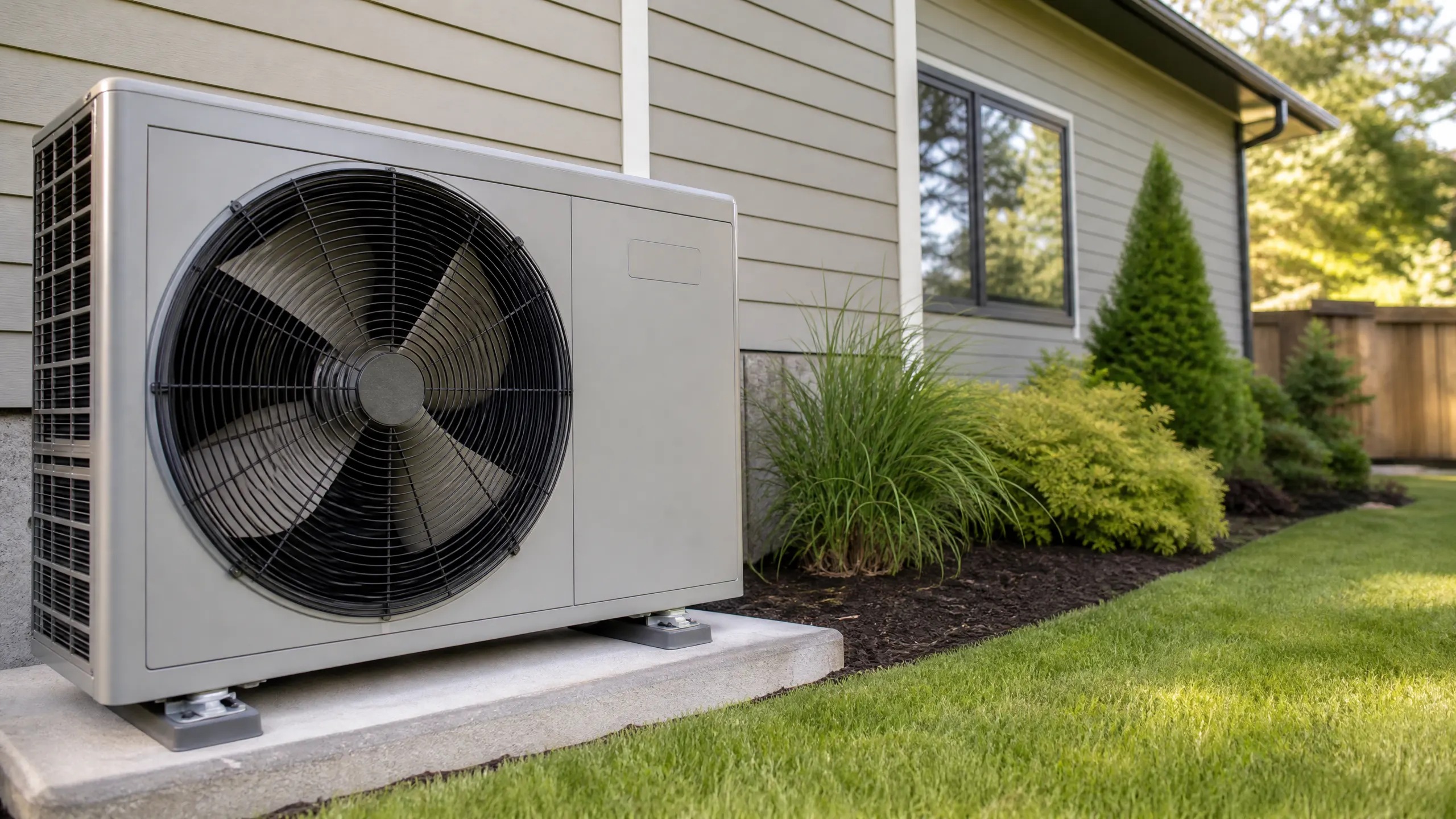
Your heat pump works all year in New Iberia, with no real break
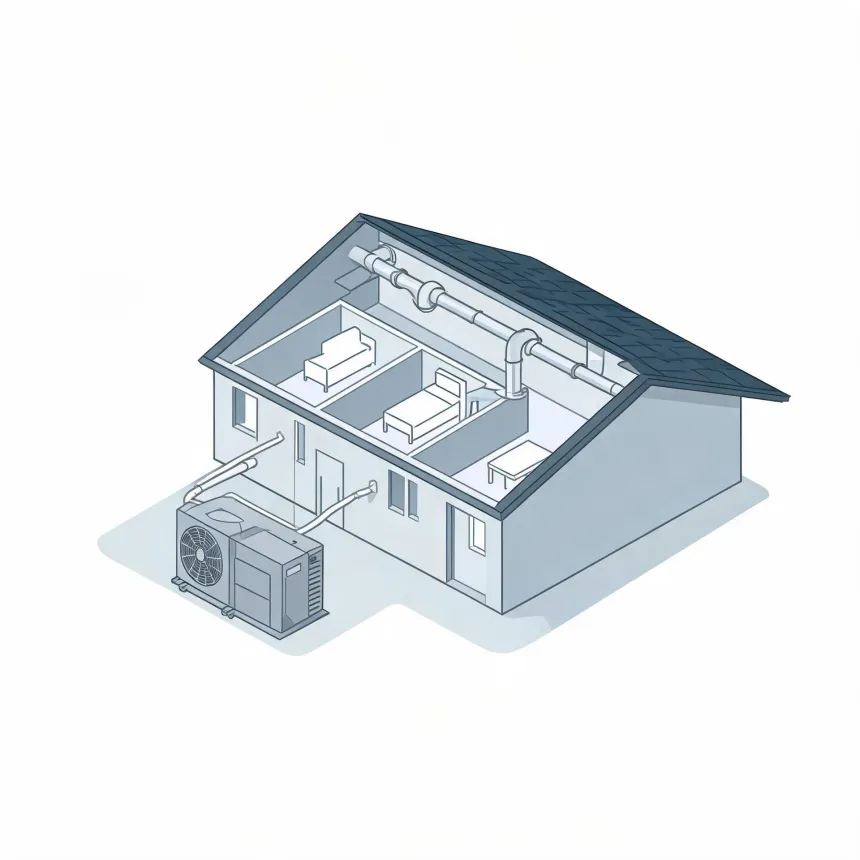
There is no season off here. The unit heats from November through March and cools from April through October, so it runs every month with barely a pause between jobs. That kind of duty cycle wears on the compressor and the reversing valve, the part that switches the system between heat and cooling.
Summer afternoons averaging 90°F push the compressor hard for hours at a stretch. When storms come through, and Iberia Parish has seen 25 damaging wind events over the past ten years, outdoor units take debris damage and power gets cut. Nearly half of Louisiana households lost power for at least a day in 2024. A heat pump that shuts off hard mid-cycle can trip its own safety controls, and it won't always restart on its own once power is back.
- 5 months
- November through March, your system heats
- 7 months
- April through October, it cools
- 46°F
- the average winter night it heats against
- 90°F
- the average summer afternoon it cools against
NOAA nClimDiv, 1991–2020 normals
Louisiana requires HVAC contractors to hold a state license.
The Louisiana State Licensing Board for Contractors is the body that tests and records the contractor, and that license belongs to the contractor, not to this particular repair. It tells you the person or company was examined and is on file with the state, not that this specific job was inspected or approved.
A heat pump repair almost always means opening the refrigerant side of the system, and that work falls under a separate federal rule that applies no matter what state you live in. Any technician who touches the refrigerant lines or coils has to hold EPA Section 608 certification. That certification is not the same thing as the state license. The license says the board has tested and recorded this contractor. The certification says this technician is qualified to handle refrigerant without venting it or mishandling it. On a heat pump repair in Iberia Parish, both should be true of whoever is doing the work.
Source: Louisiana State Licensing Board for Contractors
- Why is my heat pump blowing cold air?
- A heat pump blowing cold air in heating mode usually means it is stuck in defrost mode or the reversing valve has failed. During defrost, the system briefly runs like an air conditioner to melt ice off the outdoor coil, and that can feel cold at the vents for several minutes. If the air stays cold well after that, the reversing valve may be stuck and not switching the system into heating mode at all. A contractor can test the valve and confirm which one you are dealing with.
- Why is there ice on my heat pump?
- Ice on the outdoor unit means airflow or refrigerant is not moving the way it should. Low refrigerant, a dirty outdoor coil, or a failing defrost control can all stop the unit from melting off the frost it normally collects during a heating cycle. A little frost in cold weather is normal and clears on its own during defrost. A thick layer that stays there points to a problem, and opening the refrigerant side to check it requires a technician with EPA Section 608 certification.
- Why is my heat pump running but not cooling?
- If the outdoor unit is running but the air coming from your vents is not cold, the most common causes are a dirty air filter, a blocked outdoor coil, or low refrigerant from a leak. A clogged filter or a coil packed with leaves and debris cuts off the airflow the system needs to move heat out of your home. With summer afternoons here averaging 90°F, a system that cannot shed heat properly will struggle to keep up. Checking refrigerant levels means opening the sealed system, which takes a licensed contractor with EPA certification.