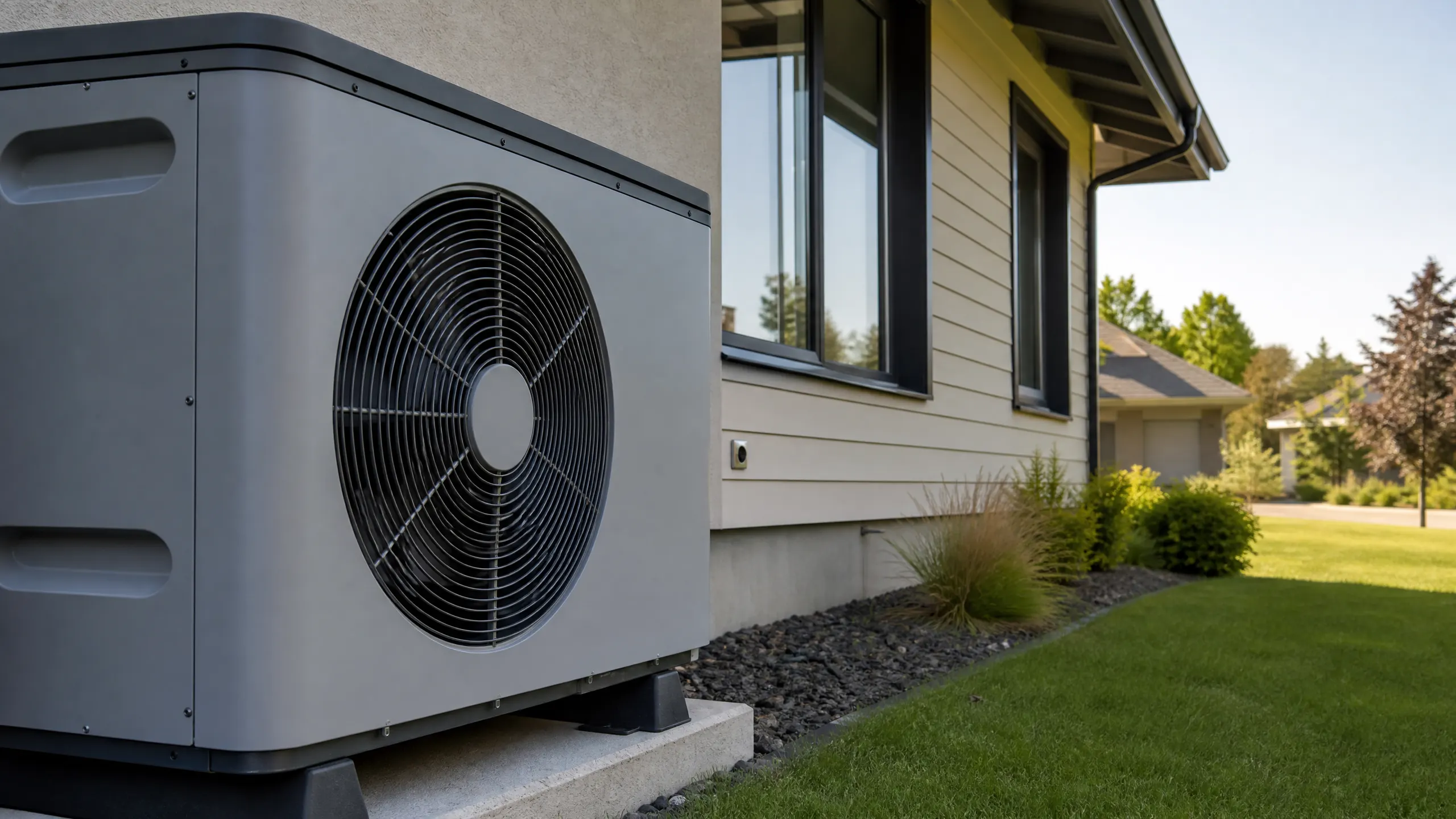
Heat Pump Installation in New Iberia, LA
A new system here will heat from November through March and cool from April through October every year. Tell us about the house, and a licensed contractor who covers Iberia Parish will get in touch.
Tell us about the job
It takes about a minute.
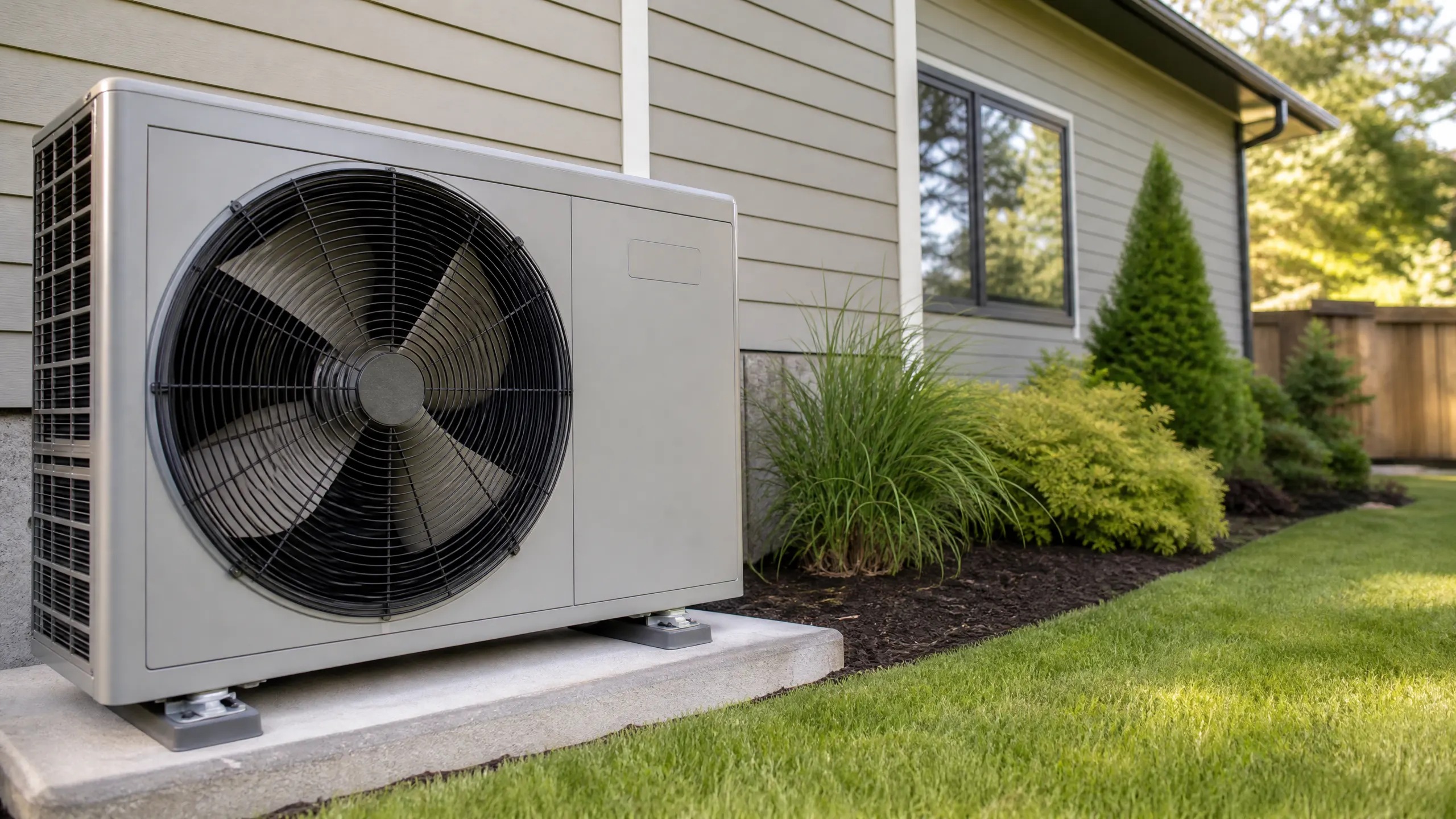
New Iberia asks a heat pump to work all year
There's no month off here. Homes need heat November through March and cooling April through October, so the system runs all 12 months. Winter nights average 46°F, mild next to a lot of the country. Summer afternoons average 90°F. A heat pump fits that pattern because the same unit handles both sides without a separate furnace to maintain.
A split-system heat pump installed now has to meet 14.3 SEER2 for cooling and 7.5 HSPF2 for heating, the federal minimum since January 2023. Nearly half of Louisiana households lost power for 24 hours or more in 2024. Over the past ten years, this area has seen 25 damaging wind events. Both are worth asking about when the new system goes in and how it gets protected.
- 5 months
- November through March, your system heats
- 7 months
- April through October, it cools
- 46°F
- the average winter night it heats against
- 90°F
- the average summer afternoon it cools against
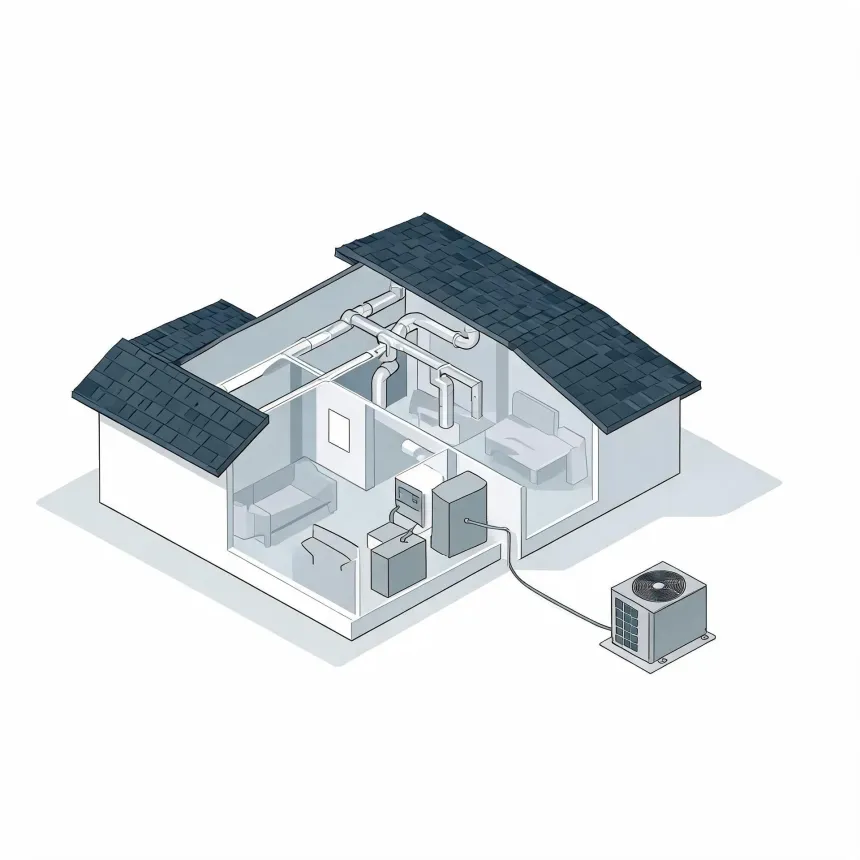
NOAA nClimDiv, 1991–2020 normals
Louisiana requires HVAC contractors to hold a state license.
The Louisiana State Licensing Board for Contractors tested the contractor before handing out that license, and the board keeps a record of who holds one. That license belongs to the contractor, not to this particular job. It tells you the person or company doing the work met the state's bar to operate, not that this specific installation was checked by anyone.
For a heat pump install, most cities and parishes require a permit from the local building office and an inspection once the work is done. That inspection is what catches a bad refrigerant line or a wiring mistake on this job, separate from whatever the state license already says about the contractor.
Source: Louisiana State Licensing Board for Contractors
- Is a heat pump better than a furnace?
- A heat pump does two things a furnace can't. It cools your home in summer and heats it in winter, all from one system. A furnace only heats, so you'd still need a separate air conditioner alongside it. With five months of heating and seven months of cooling here, a heat pump is doing useful work most of the year instead of sitting idle half the time.
- What's the difference between a heat pump and an air conditioner?
- An air conditioner only moves heat out of your home. A heat pump can also run in reverse, pulling heat from the outside air and moving it inside, which is how it heats your home in winter. The parts that make up each system are largely the same. The difference is a valve that lets the heat pump switch direction.
- Does a heat pump work in cold weather?
- Yes. A heat pump pulls heat from outside air even when that air feels cold, because there's still warmth in air well below freezing. Winter nights here average 46 degrees, which is well within the range a heat pump handles without trouble. Federal minimums now require new split-system heat pumps to hit at least 7.5 HSPF2 for heating, so equipment sold today is built for this kind of climate.