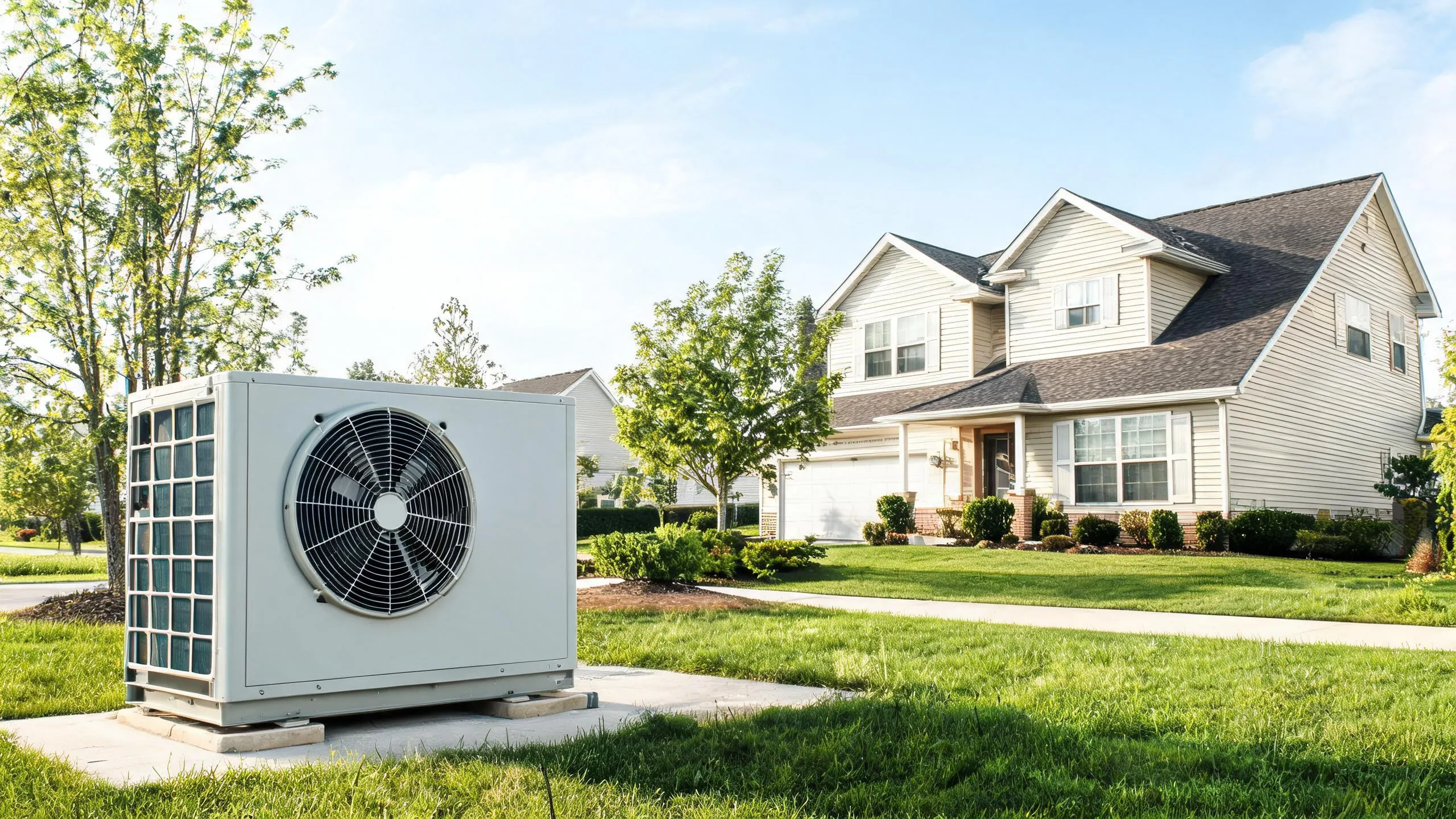
Heat Pump Installation in Morgan City, LA
A new system here will heat from November through March and cool from April through October every year. Tell us about the house, and a licensed contractor who covers St. Mary Parish will get in touch.
Tell us about the job
It takes about a minute.
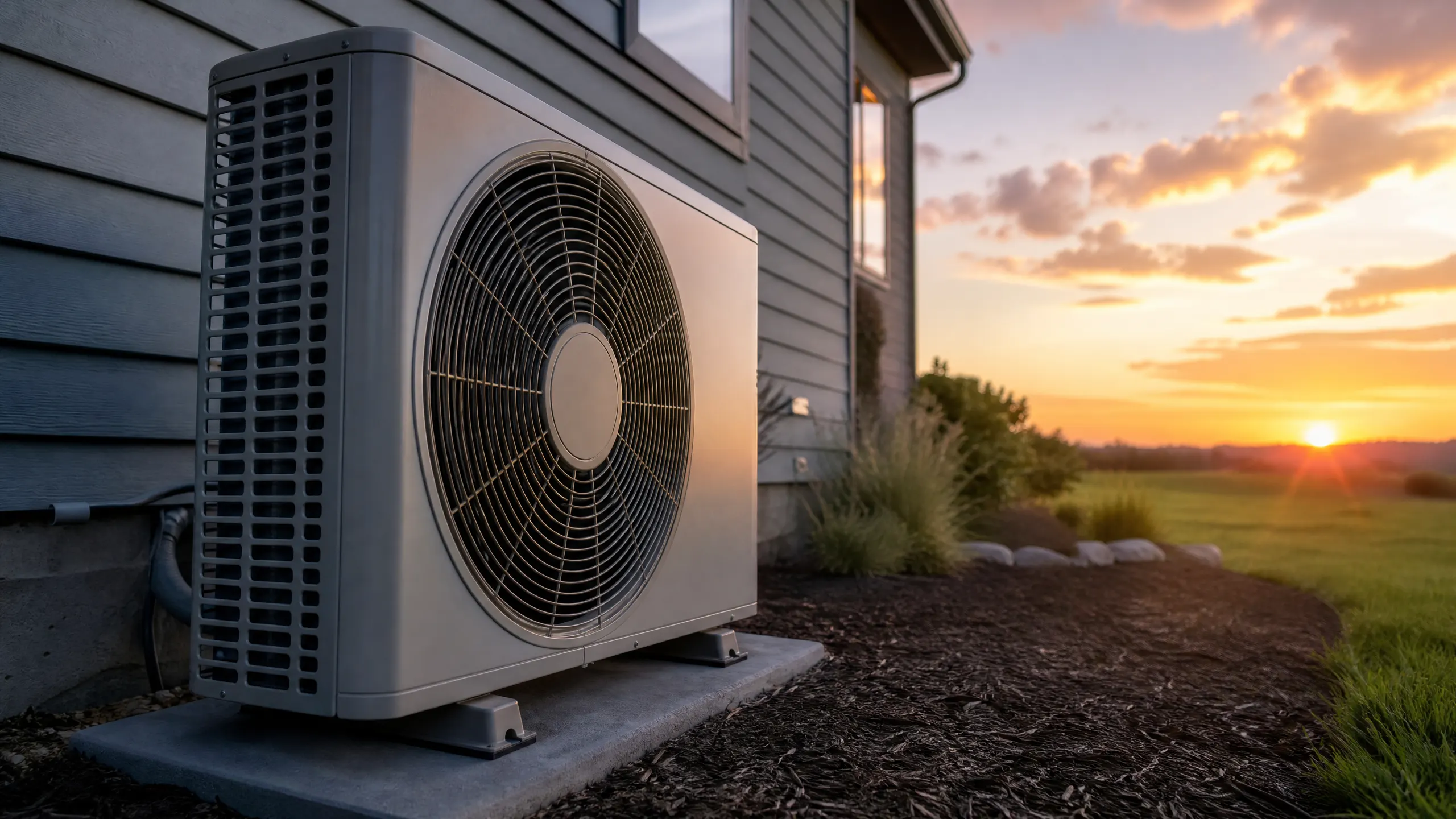
A Morgan City heat pump works most of the year
Cooling season here runs April through October, seven months of afternoons near 90°F. Winter is shorter, December through February nights average 47°F, mild enough that a heat pump can carry the load without much backup heat. Between the two, the system is doing something almost every month of the year.
A new split-system heat pump has to meet 14.3 SEER2 for cooling and 7.5 HSPF2 for heating if it was built after January 2023. In St. Mary Parish, the bigger question is often what happens when the power goes out. Nearly half of Louisiana households lost power for at least a day in 2024, and this area has seen 16 damaging wind events over the last ten years. That is worth talking through with the contractor who installs it.
- 5 months
- November through March, your system heats
- 7 months
- April through October, it cools
- 47°F
- the average winter night it heats against
- 90°F
- the average summer afternoon it cools against
NOAA nClimDiv, 1991–2020 normals
Louisiana requires HVAC contractors to hold a state license.
That license comes from the Louisiana State Licensing Board for Contractors. It covers the contractor, not this one job, so it stands behind the person doing the work rather than the heat pump itself.
For the installation itself, the local building office is what covers the part the license does not. Setting a heat pump needs a permit in most cities and parishes, and an inspection once the work is done. That inspection is what checks this particular job, in this particular home.
Source: Louisiana State Licensing Board for Contractors
- Is a heat pump better than a furnace?
- It depends on what you value, but for most homes here a heat pump is the better fit. A heat pump both heats and cools from one system, where a furnace only heats and needs a separate air conditioner alongside it. It moves heat rather than burning fuel to create it, which makes it the more efficient choice through the mild winters here, when nights average 47°F from December through February. A furnace still has an edge in places with hard, sustained freezes, since a heat pump's output drops as the outdoor temperature drops, but that matters less where winter is short and lows stay well above freezing.
- What's the difference between a heat pump and an air conditioner?
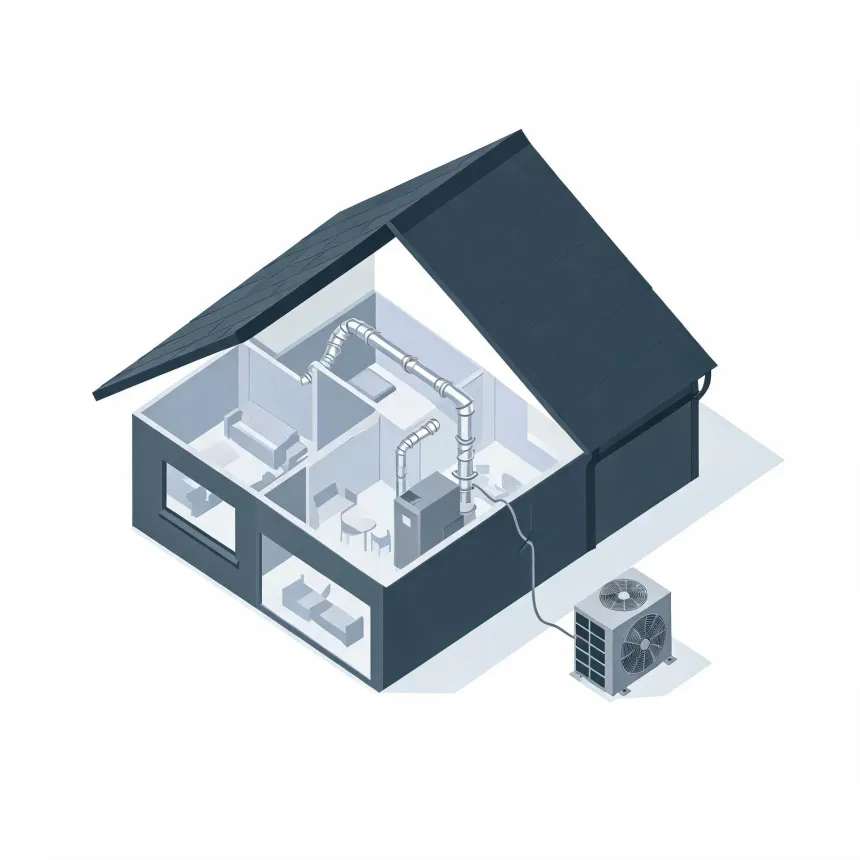
- An air conditioner only cools. A heat pump cools the same way in summer, but it can also run in reverse to heat your home in winter, using the same outdoor unit and the same ductwork. Inside, both use a coil and a fan, and outside both use a compressor, so from the street they look almost identical. The difference is a reversing valve inside the heat pump that lets refrigerant flow either direction depending on the season.
- Does a heat pump work in cold weather?
- Yes, but its heating output drops as the outdoor temperature drops. Below a certain point, most heat pumps lean on backup heat, usually electric resistance coils, to keep up on the coldest nights. Winter nights here average 47°F from December through February, well above the range where that backup heat would need to carry much of the load. A contractor can size the system and any backup heat for the specific house.