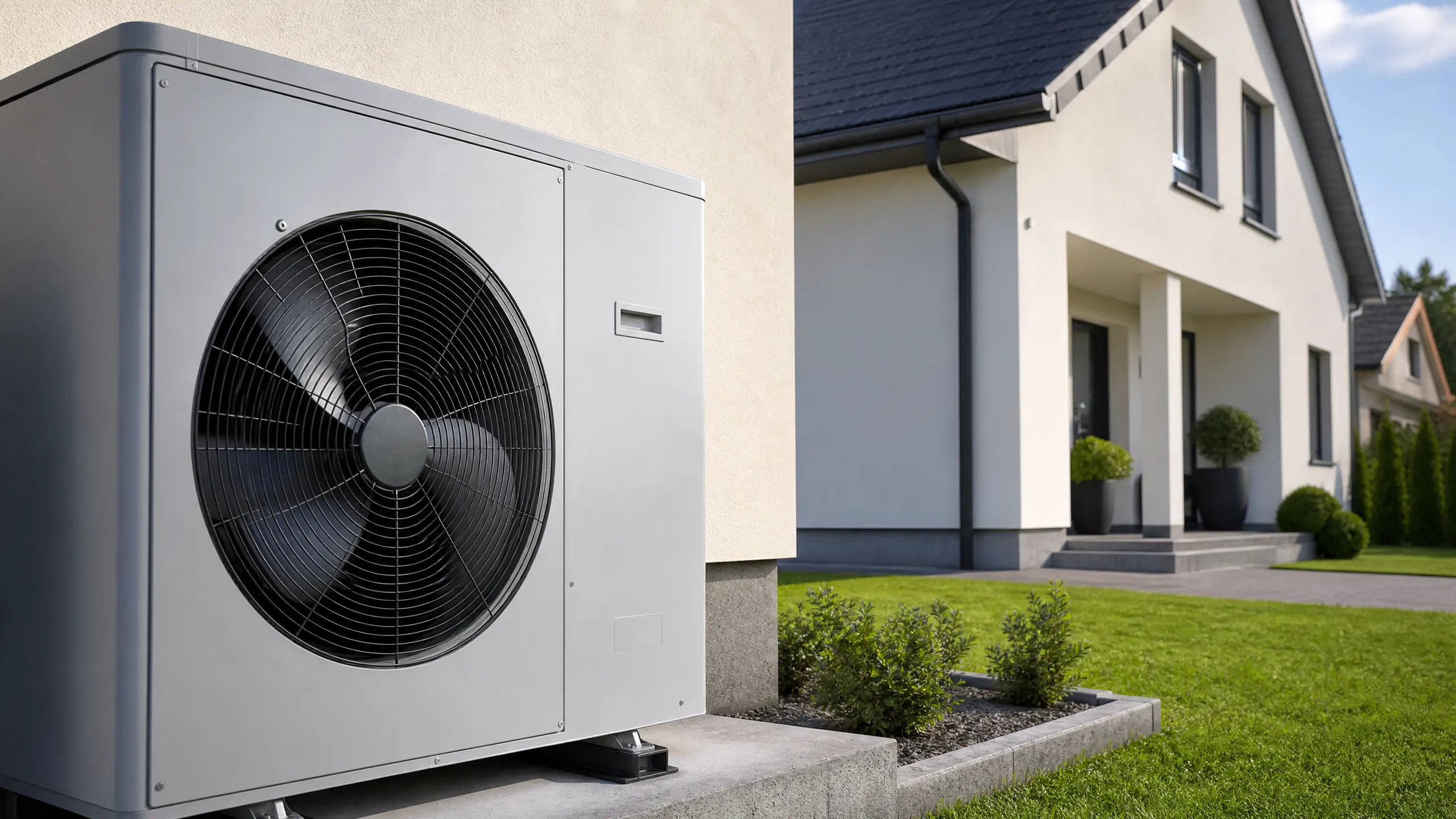
Heat Pump Installation in Houma, LA
A new system here will heat from November through February and cool from April through October every year. Tell us about the house, and a licensed contractor who covers Terrebonne Parish will get in touch.
Tell us about the job
It takes about a minute.
Eleven months of work a year
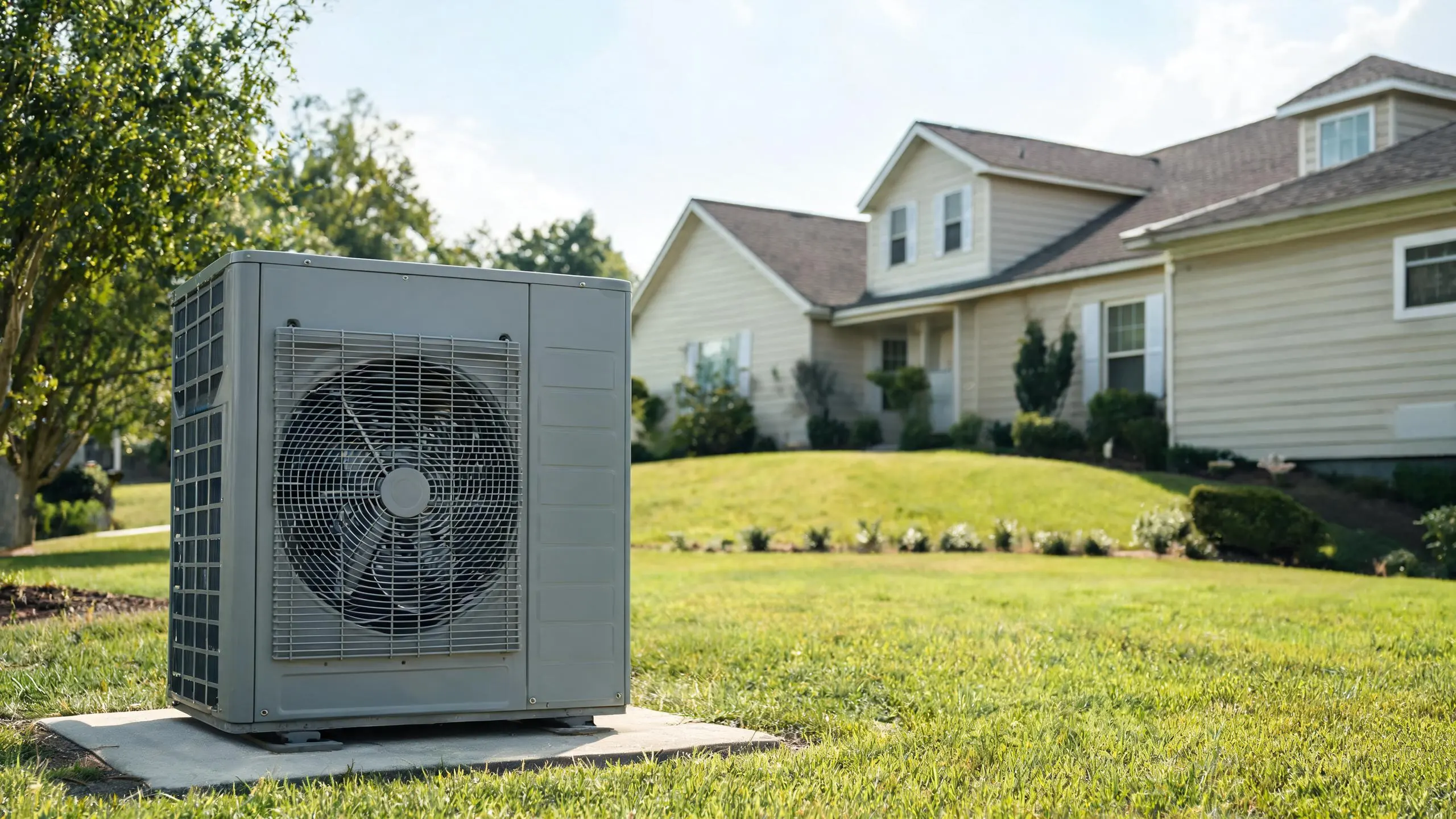
A heat pump in Terrebonne Parish barely gets a rest. Cooling runs April through October, seven months, with summer afternoons averaging 90°F. Then it switches over for heat from November through February, when winter nights average 48°F. That is eleven months of the year one system is carrying the load, and only a few weeks of spring and fall when it can sit idle.
Any split-system heat pump installed new has to meet the federal minimum of 14.3 SEER2 for cooling and 7.5 HSPF2 for heating. With storms knocking out power to about half of Louisiana households for a day or more last year, and 28 damaging wind events hitting this area over the past ten years, it is also worth asking your contractor how the unit and its outdoor components hold up once the power comes back on.
- 4 months
- November through February, your system heats
- 7 months
- April through October, it cools
- 48°F
- the average winter night it heats against
- 90°F
- the average summer afternoon it cools against
NOAA nClimDiv, 1991–2020 normals
Louisiana requires HVAC contractors to hold a state license.
The board tests the contractor and keeps that record on file. It is a record of the contractor, not of this particular job, so the license tells you the person or company doing the work has met Louisiana's standard before they ever get to your house.
For the installation itself, most cities and parishes in Louisiana require a permit for a heat pump replacement and an inspection once the work is done. That inspection is what checks the actual equipment and connections in your home, separate from the contractor's license.
Source: Louisiana State Licensing Board for Contractors
- Is a heat pump better than a furnace?
- It depends on what you're comparing it to and what you want it to do. A heat pump handles both heating and cooling from one system, where a furnace only heats, so you'd still need a separate air conditioner alongside it. Winters here only run November through February, and nights average 48°F, which is mild enough that a heat pump can carry the heating load without much strain. A furnace paired with an AC can still make sense in a home already set up for it. A contractor can look at your ductwork and current setup and tell you which fits better.
- What's the difference between a heat pump and an air conditioner?
- An air conditioner only cools. A heat pump cools the same way but can also run in reverse to heat your home, pulling warmth from the outside air and moving it inside. Both use a compressor and refrigerant, and both sit outside your house looking about the same. The difference shows up in winter, when the heat pump keeps working and the air conditioner just sits idle.
- Does a heat pump work in cold weather?
- Yes, but it works harder as the temperature drops, and it puts out less heat the colder it gets outside. Winter nights here average 48°F, which is well within the range a heat pump handles without trouble. Newer heat pumps sold since January 2023 have to meet a federal minimum of 7.5 HSPF2 for heating, so even entry-level units are built to perform through a season like this one.