
HVAC Installation in Houma, LA
A new system here will heat from November through February and cool from April through October every year. Tell us about the house, and a licensed contractor who covers Terrebonne Parish will get in touch.
Tell us about the job
It takes about a minute.
Eleven months of work a year for your new system
In Terrebonne Parish, cooling runs April through October, seven months, with afternoons averaging 90°F. Heat only takes over for four months, November through February, and winter nights average 48°F. That leaves one month of rest for a system that has to do both jobs well.
Most homes here heat with electricity, so the outdoor unit is working nearly all year, not just in summer. And with 28 damaging wind events recorded here over the past ten years, and close to half of Louisiana households losing power for a day or more in 2024, a new install is also a chance to think about how the system handles a storm and what happens when the power comes back on.
- 4 months
- November through February, your system heats
- 7 months
- April through October, it cools
- 48°F
- the average winter night it heats against
- 90°F
- the average summer afternoon it cools against
NOAA nClimDiv, 1991–2020 normals
Louisiana requires HVAC contractors to hold a state license.
The Louisiana State Licensing Board for Contractors tests contractors before they can work and keeps a record of who holds that license. The license covers the contractor, not each individual job, so the same license applies whether they are installing a furnace, an air conditioner, or a heat pump.
That license is what stands behind the person doing your installation. Separately, in most cities and parishes here, putting in a new furnace, air conditioner or heat pump needs a permit from the local building office before the work starts, and an inspection once it is done.
Source: Louisiana State Licensing Board for Contractors
- When should I replace my HVAC system?
- Replace it when repairs get more frequent, your energy bills keep climbing, or parts for it are getting hard to find. A repair bill that comes close to the cost of a new system is usually the sign that you're patching something that's actually done. Homes here run the AC seven months a year and the heat another four, so the equipment gets used almost year round, which adds up over its life. A contractor can tell you whether what's wrong is worth fixing or whether the system's at the point where the next thing will just break too.
- Should I replace my furnace and air conditioner at the same time?
- If both are near the end of their life, yes, it usually makes sense to do them together. A furnace and air conditioner installed at the same time are matched to work as one system, and replacing only one can leave you with a mismatch that runs less efficiently or wears out sooner. It also means one visit from the contractor and one permit and inspection instead of two. If one unit still has good years left in it, ask the contractor whether it makes sense to wait or to do it now while the other is already being replaced.
- What happens during an HVAC installation?
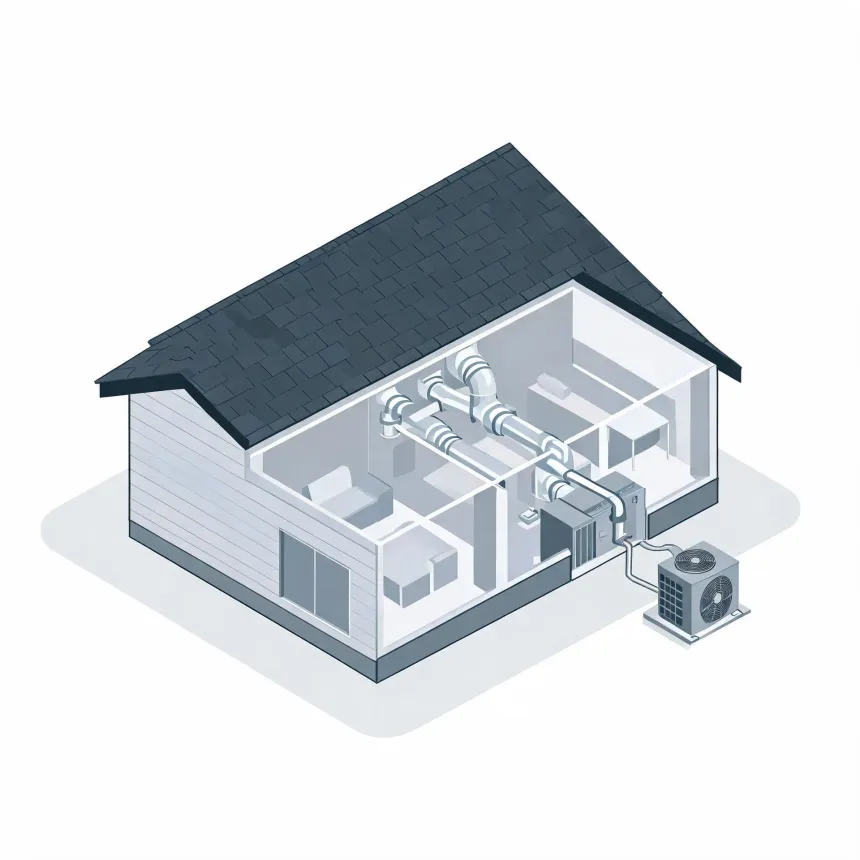
- A contractor removes the old furnace, air conditioner or heat pump and puts in the new equipment, then connects it to your ductwork, electrical, and the gas line if it's gas. They'll check the ductwork for leaks or sizing problems, since new equipment running through old, undersized ducts won't perform the way it should. Louisiana requires the contractor doing this work to hold a state license, and most cities and parishes require a permit and an inspection once the job is done. The contractor pulls that permit and schedules the inspection as part of the job.