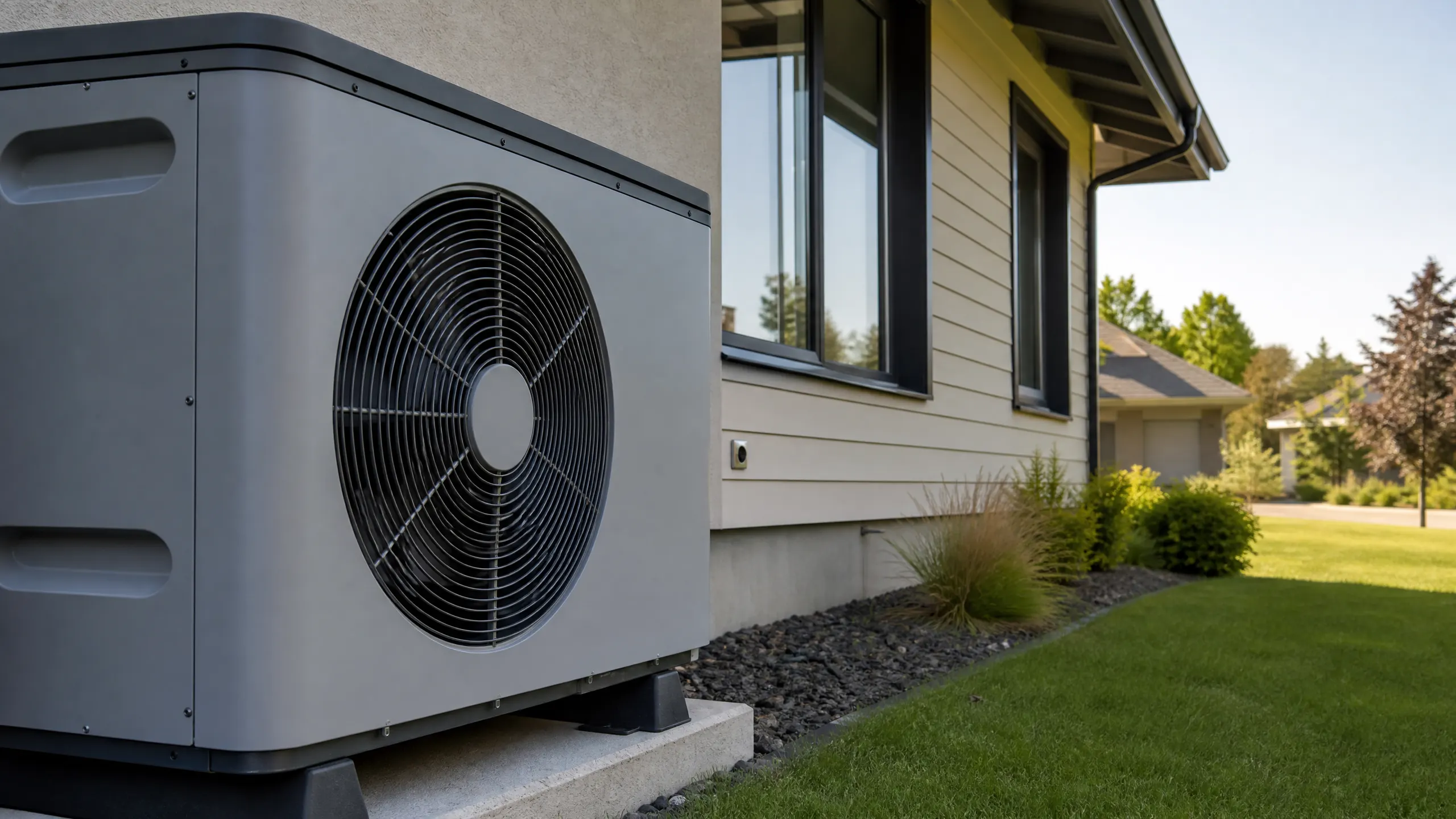
Heat Pump Installation in Abbeville, LA
A new system here will heat from November through March and cool from April through October every year. Tell us about the house, and a licensed contractor who covers Vermilion Parish will get in touch.
Tell us about the job
It takes about a minute.
A heat pump here works almost every month of the year
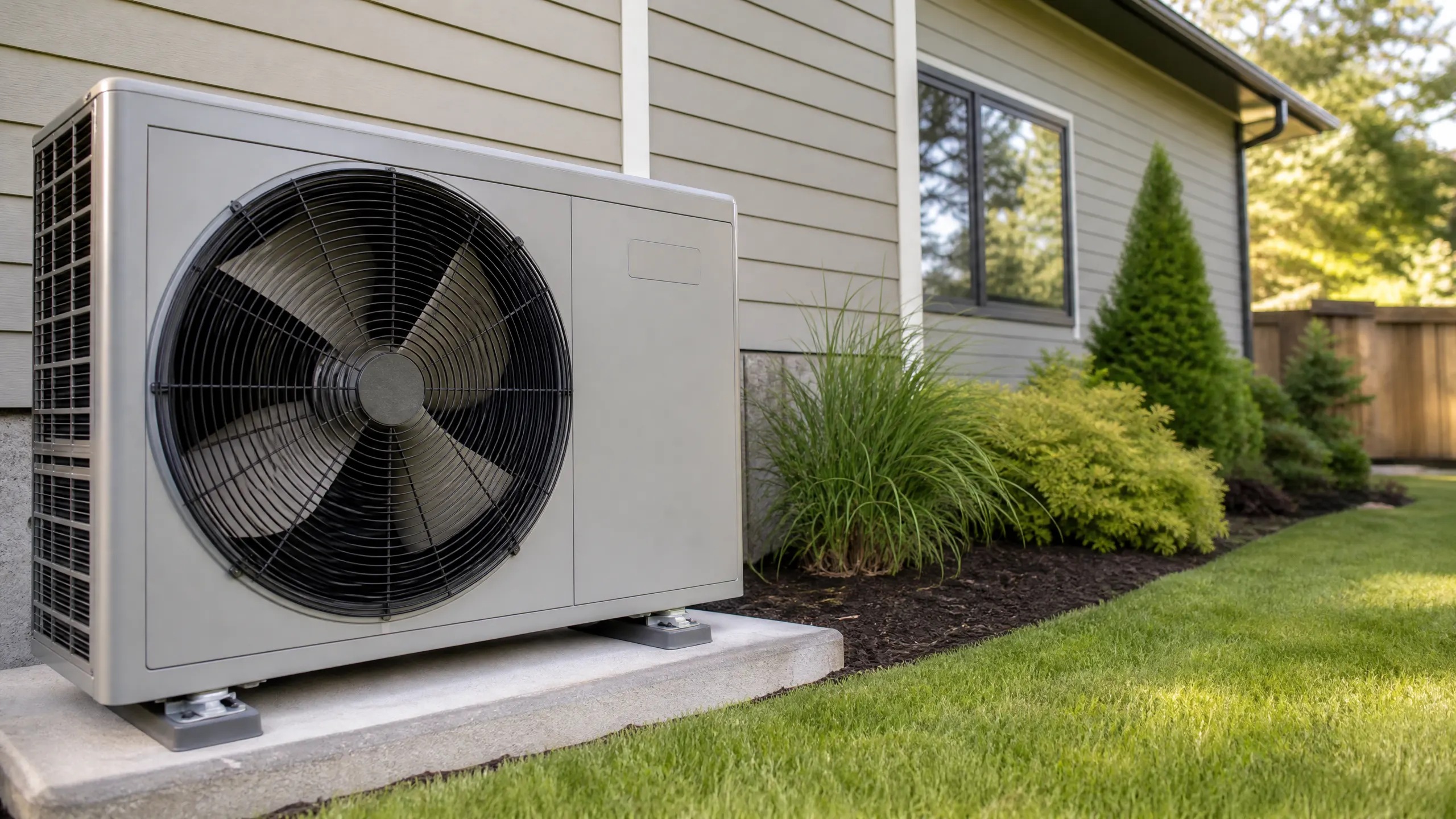
Abbeville asks a heat pump to heat all winter and cool all summer, with barely a break between. Winter nights average 46°F, which is mild next to a lot of the country, but homes still need heat from November through March. Then summer takes over, with afternoons averaging 90°F from April through October. That is twelve months of one system carrying the load.
A new split-system heat pump installed here has to meet the federal minimums of 14.3 SEER2 for cooling and 7.5 HSPF2 for heating. Most homes in this area heat with electricity, so the heat pump is doing real work on both ends, not just topping off a mild winter.
- 5 months
- November through March, your system heats
- 7 months
- April through October, it cools
- 46°F
- the average winter night it heats against
- 90°F
- the average summer afternoon it cools against
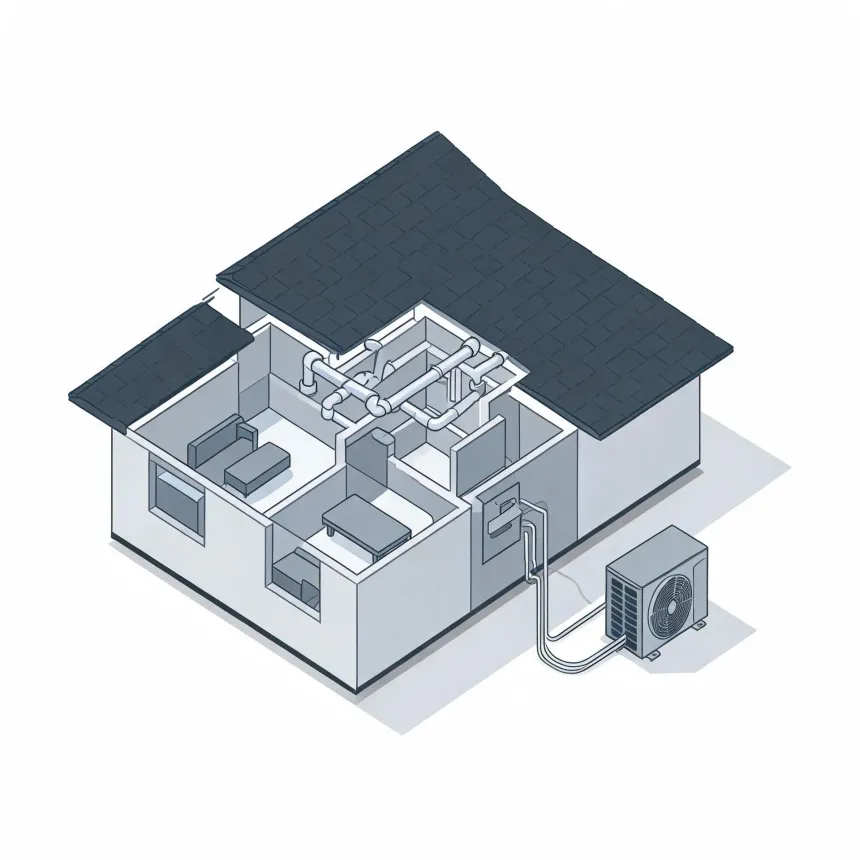
NOAA nClimDiv, 1991–2020 normals
Louisiana requires HVAC contractors to hold a state license.
The Louisiana State Licensing Board for Contractors tests and records the contractor, and the license belongs to that contractor, not to any single job. It says who is allowed to do HVAC work in this state. It does not cover the details of setting a heat pump at your address.
That part falls to the local building office. Setting a heat pump means running refrigerant line and making an electrical connection, and in most cities and counties that work needs a permit along with a final inspection once it is done. The state license is what stands behind the contractor. The permit and inspection are what stand behind this particular installation.
Source: Louisiana State Licensing Board for Contractors
- Is a heat pump better than a furnace?
- A heat pump does something a furnace can't. It cools your home in summer as well as heating it in winter, all from one system. A furnace only burns fuel to make heat, so you still need a separate air conditioner for the 7 months a year homes here need cooling. Winter nights here average 46°F, and a heat pump can usually cover that heating load on its own. Whether it's the better choice for your house depends on your ductwork and how your home is set up now, and that's worth going over with a contractor.
- What's the difference between a heat pump and an air conditioner?
- An air conditioner only moves heat out of your home. A heat pump does the same thing in summer, but it can also run in reverse and pull heat from outside air into your home in winter. That's what lets a heat pump handle both sides of the year, the 7 months of cooling and the 5 months of heating homes here need. An air conditioner alone leaves you needing a furnace or some other heat source for winter.
- Does a heat pump work in cold weather?
- Yes, a heat pump keeps working in cold weather. It pulls heat from outside air even when that air feels cold. Winter nights here average 46°F, well within the range a heat pump handles without trouble. Heat pumps installed now have to meet a federal minimum of 7.5 HSPF2 for heating efficiency, so any new system is built to perform through a full winter here.