HVAC Installation in Abbeville, LA
A new system here will heat from November through March and cool from April through October every year. Tell us about the house, and a licensed contractor who covers Vermilion Parish will get in touch.
Tell us about the job
It takes about a minute.

A system that works almost every month of the year
In Abbeville your new system barely gets a break. Cooling runs April through October, seven months of afternoons near 90°F, and heat takes over November through March when nights average 46°F. That leaves only a couple weeks of the year when it isn't doing one job or the other.
Most homes here heat with electricity, so the unit you install has to carry the winter load as well as the summer one. It also has to hold up through weather that doesn't always stay calm. Vermilion Parish has seen 22 damaging wind events over the past ten years, and power in Louisiana goes out often enough that new equipment is worth setting up to handle a restart on its own when it comes back on.
- 5 months
- November through March, your system heats
- 7 months
- April through October, it cools
- 46°F
- the average winter night it heats against
- 90°F
- the average summer afternoon it cools against
NOAA nClimDiv, 1991–2020 normals
Louisiana requires HVAC contractors to hold a state license.
The Louisiana State Licensing Board for Contractors tests and licenses the contractor, not the individual job. That means the person or company doing your installation was vetted once, at the business level, and the state keeps a record of who they are. It does not mean the board signs off on the equipment going into your house.
That's where the permit comes in. In most cities and counties in Louisiana, putting in a new furnace, air conditioner, or heat pump needs a permit from the local building office, and the work gets inspected once it's done. The license tells you the contractor is who they say they are. The permit and inspection tell you the installation itself was checked.
Source: Louisiana State Licensing Board for Contractors
- When should I replace my HVAC system?
- Once repairs start happening every year, or a repair costs more than the system is worth, it is time to replace it rather than fix it again. Age matters too. A furnace or air conditioner working hard for 12 months a year here wears faster than one that gets a break, since homes in Abbeville need heat or cooling all year between the two. If your energy bills have crept up with no other explanation, that is often the system losing efficiency as it ages. A contractor can look at the specific unit and tell you whether another repair makes sense or not.
- Should I replace my furnace and air conditioner at the same time?
- If both are old, replacing them together usually makes sense, especially since a furnace and air conditioner installed at the same time are matched to work with each other. A furnace paired with a much newer or older air conditioner can end up mismatched, which shows up as uneven heating or cooling, or a system that cycles more than it should. If only one has failed and the other is still young, replacing just the one that failed is reasonable. A contractor can check the age and condition of both and tell you what fits your house.
- What happens during an HVAC installation?
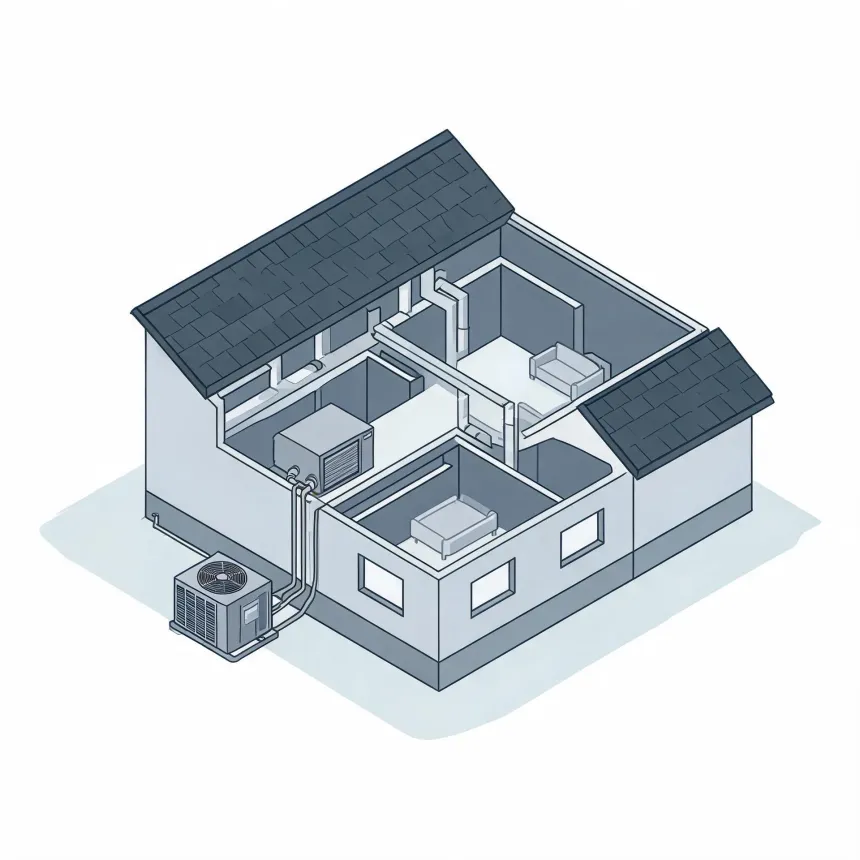
- A contractor removes the old furnace, air conditioner or heat pump and puts the new one in its place, connecting it to the existing ductwork, electrical, gas or refrigerant lines as needed. Louisiana requires HVAC contractors to hold a state license for this work, and in most cities and counties a permit and inspection are required once the job is done. The inspection confirms the system was installed to code, which matters most in a place like this with 22 damaging wind events recorded over the last ten years, since a properly installed and secured system holds up better when weather turns rough. The exact steps depend on what is being replaced and how the house is set up, so a contractor will walk you through what applies to yours.