
Water Heater Installation in Opelousas, LA
Tell us about the house, and a licensed contractor who covers St. Landry Parish will get in touch.
Tell us about the job
It takes about a minute.
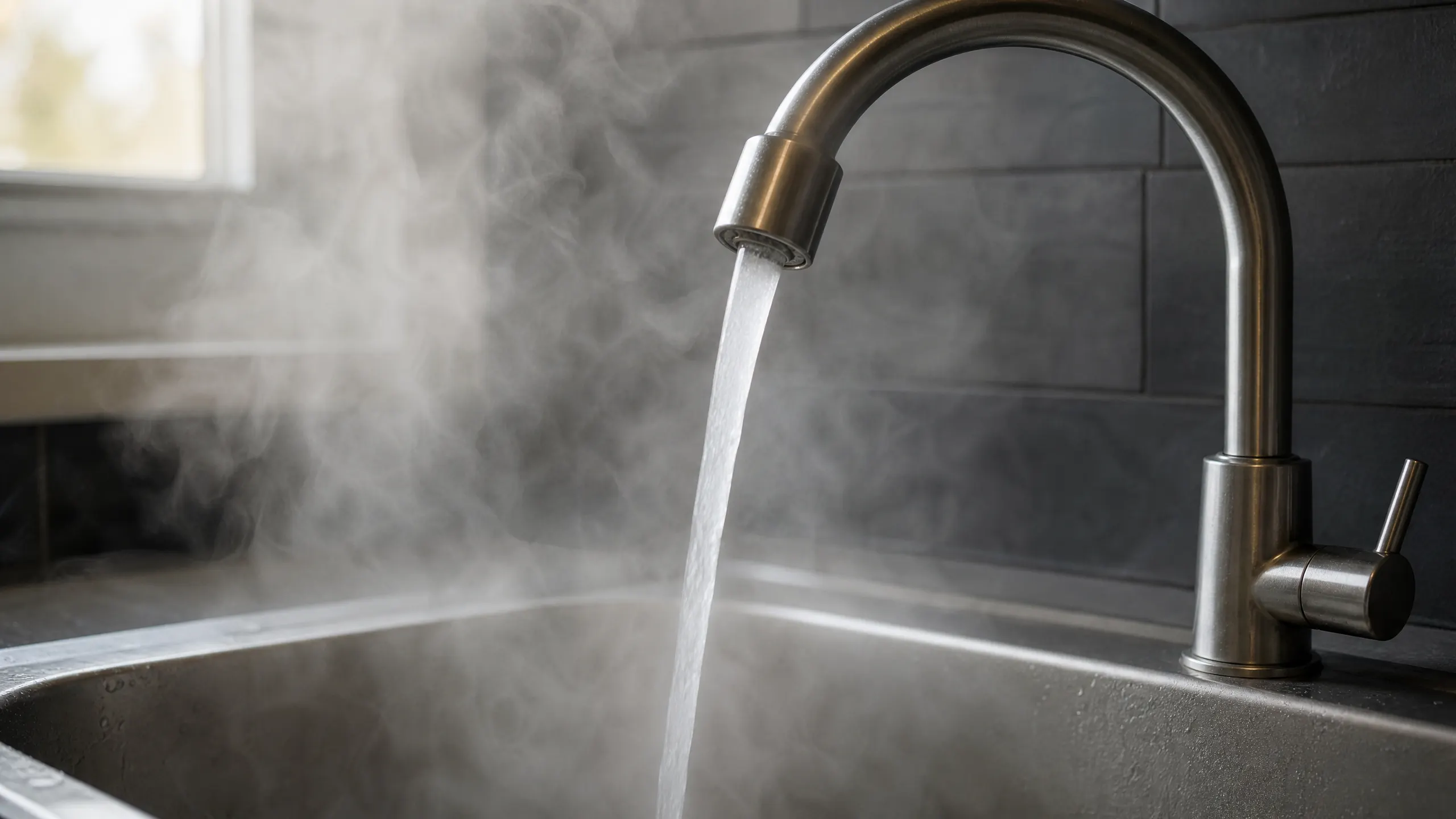
What a water heater in Opelousas has to hold up to
Winter nights here average 43°F from December through February, and homes only need heat November through March, five months of the year. A water heater in St. Landry Parish isn't fighting hard cold most of the time it runs.
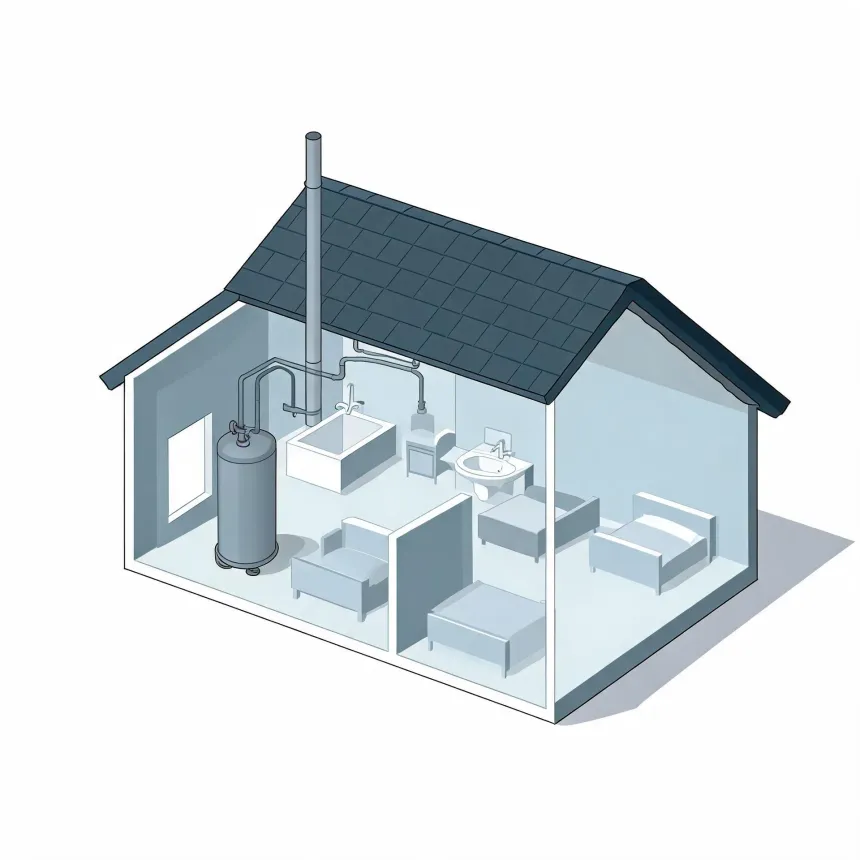
The bigger risk is the power. Louisiana households went at least 24 hours without power at a nearly even split last year, and the parish has seen 52 damaging wind events over the past ten years. Most storage water heaters come back on by themselves once power returns, and a standing pilot never needs power at all, so the tank should recover without anyone having to relight or reset it. Any new install also has to meet the federal minimum efficiency for its type, which is set by a formula tied to the tank's rated volume rather than one flat number, so two tanks of the same type can face different minimums depending on size.
- 43°F
- the average winter night, and colder incoming water means longer heating
- 5 months
- November through March, the months homes here need heat
- 49%
- of Louisiana households lost power for a day or more in 2024, and a heater with an electric element or electric ignition stops without it
NOAA nClimDiv, 1991–2020 normals

A heat pump water heater would save about $250 a year to run in Louisiana compared with an electric water heater.
Estimates for a typical Louisiana home, from EIA household energy data and Louisiana fuel prices. Your home will differ.
- How do I know it's time to replace my water heater?
- Watch for water around the base of the tank. That usually means the tank itself is failing, not a fitting, and once a tank starts to leak it doesn't stop. Rusty or metallic-tasting hot water is another sign, along with hot water that runs out faster than it used to or takes longer to heat. Most tank water heaters last a decade or so, so if yours is getting up there in age and starting to act up, it's worth having someone look at it before it fails on its own schedule instead of yours.
- Should I switch to a tankless water heater?
- It depends on what you want out of it. A tankless unit heats water as it flows through instead of storing a tankful, so you get continuous hot water and never run out partway through a shower. It also takes up less space than a tank, which matters if yours sits somewhere cramped. Louisiana sees its share of power outages, and a tankless unit that runs on electricity won't produce hot water when the power is out, same as a tank with an electric element. Gas tankless models need power for the ignition control even though the burner runs on gas. A contractor can walk through the gas line, venting and electrical needs for your house and tell you what switching would actually involve.
- What changes when you install a tankless water heater?
- The biggest change is that you stop storing hot water and start heating it on demand, which means the unit has to be sized to your household's peak flow rather than to a tank volume. That often means changes to the gas line or electrical circuit feeding it, since tankless units draw more at once than a tank's element or burner does. Venting is different too. A gas tankless unit needs its own venting, and that piping doesn't always follow the same path the old tank's flue used. Installing a water heater of any kind needs a permit and an inspection in most places, and a tankless swap is more likely to need one given the changes to gas, power and venting. A contractor can tell you what your house needs before the work starts.