Waiting it out
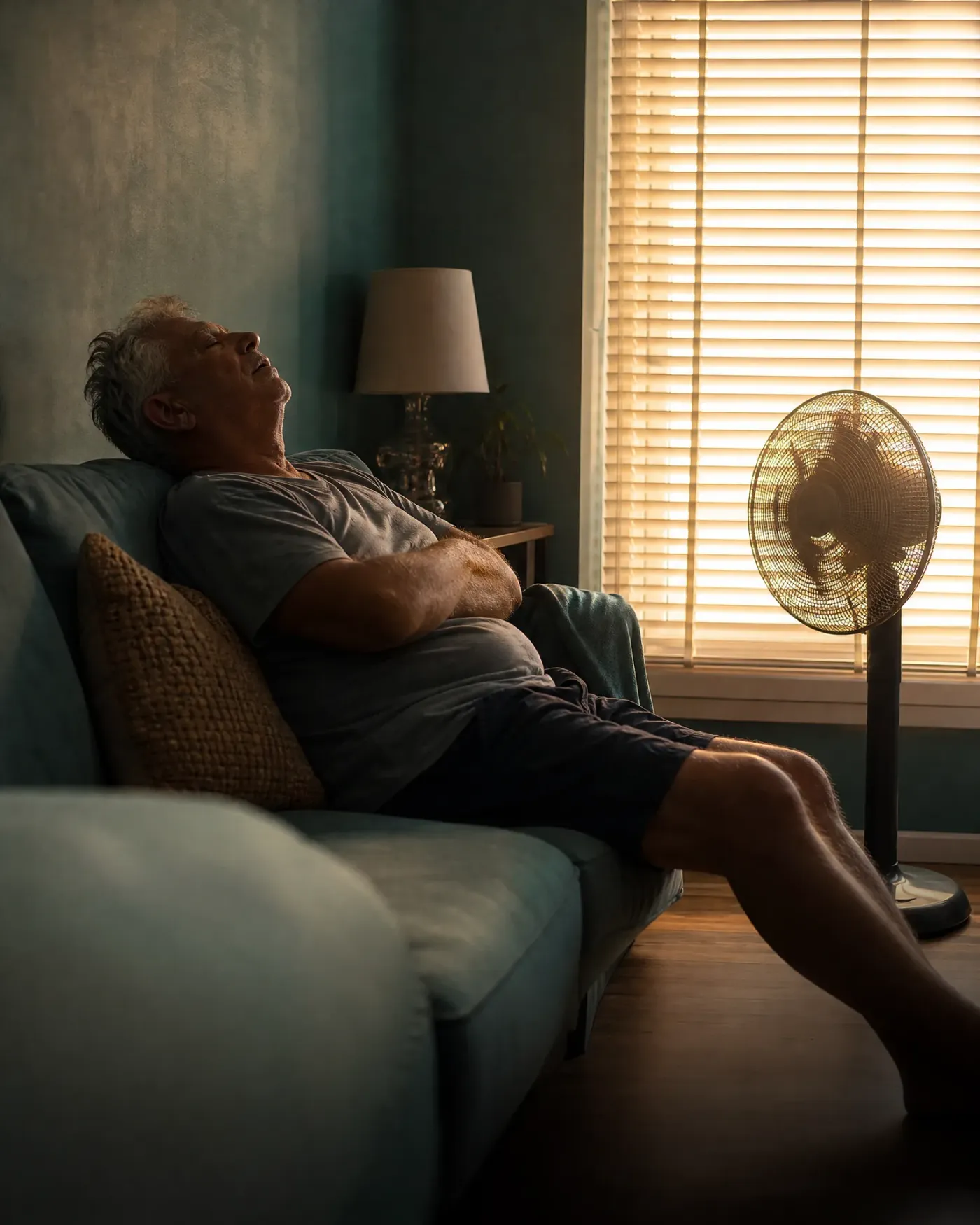
You keep checking the breaker and the thermostat, hoping it resets itself, while the house climbs past 90 and stays there through the afternoon.
First, check the breaker and the condensate switch before you call anyone. A tripped float switch on the drain pan will shut the whole system down on purpose, so it doesn't overflow onto your floor, and that's an easy fix once you clear the clog. If power is reaching the unit and it still won't run, the compressor outside or the fan motor has likely failed, and heat like this is hard on both. Louisiana summers push an AC to run most of the day for months straight, and that kind of load wears out capacitors and motors faster than a mild climate would. With the house heating up and people inside counting on that air, this isn't something to leave for later. A licensed contractor can tell you in one visit whether it's a simple part or something bigger, and get the air moving again.

Once the air stops moving, a Louisiana house holds heat the way it holds humidity, and both climb within the hour. The compressor outside does the work of moving heat out of the house, and when it stops, nothing is pulling that moisture or heat back out. Rooms farthest from the thermostat warm up first, and anyone inside starts feeling it long before a gauge would tell you something's wrong.

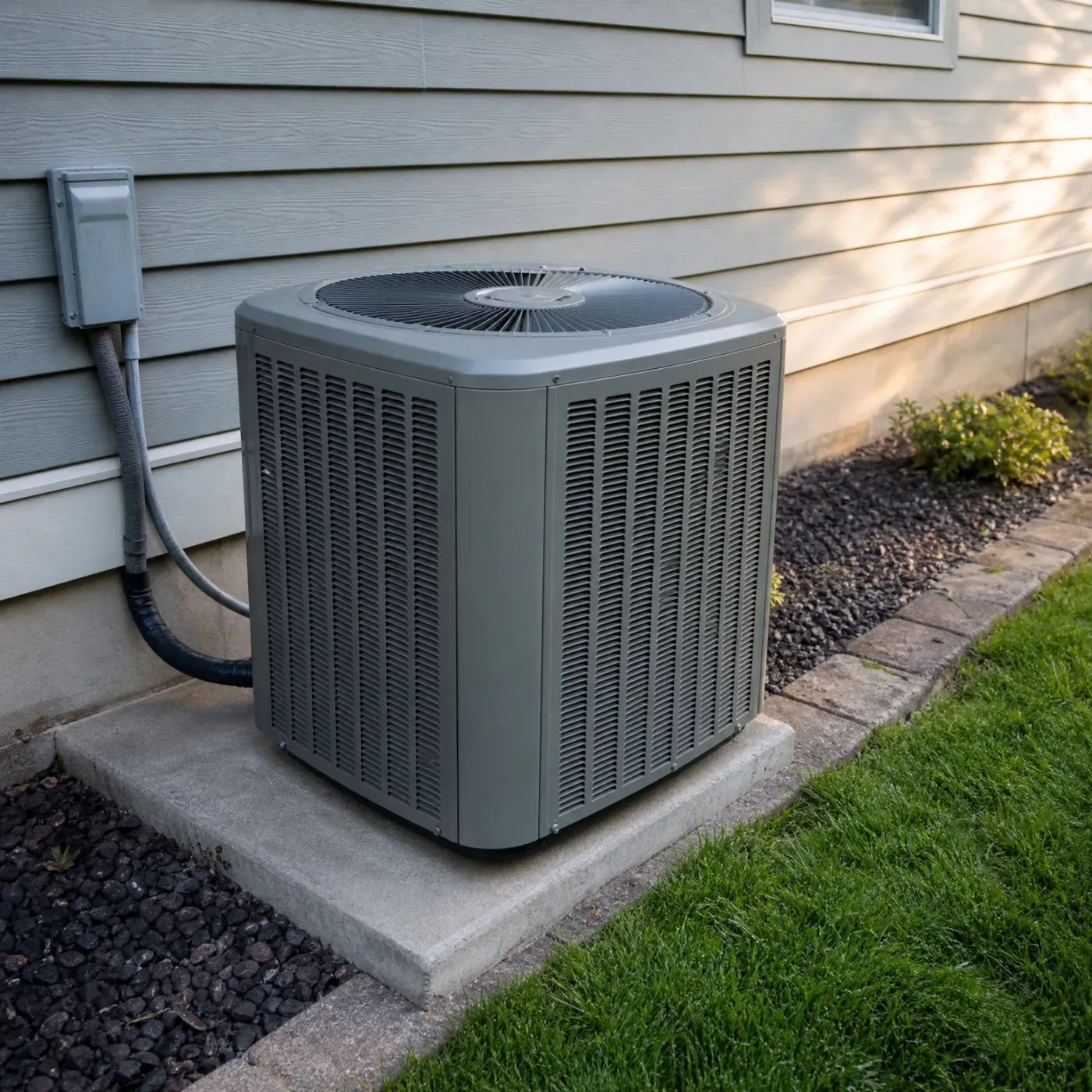
A system that short cycles or won't start at all is usually protecting a part from damage, not failing at random. The outdoor unit has a compressor built to run for hours at a stretch through a Louisiana summer, and starting and stopping it repeatedly strains the start components faster than steady operation would. Left alone past a day or two, a small electrical fault can turn into a compressor replacement instead of a simple repair.
You turn on the air and the fan runs, you can feel air coming out of the vents, but it's not cold. It's not the silence of a dead system. Something is clearly working. That makes it confusing, because it doesn't look like the usual broken AC. You want to know why the blower keeps going while the air itself stays warm or room temperature.
Your indoor blower moves air. Your outdoor compressor cools it. They run on separate commands from the thermostat, so one can keep going after the other quits. If the compressor outside has stopped, whether from a tripped breaker, a failed capacitor, or a refrigerant leak, the blower inside doesn't know that. It keeps pushing air through the ducts because that's its only job, and nothing tells it to stop. What comes out is just the air in your house, unchanged. In Louisiana, where the air it's moving is already warm and heavy with moisture, this can feel worse than no air at all. Check the outdoor unit. If the fan on top isn't spinning, the compressor has shut down and the blower is working alone.






A dead AC in a Louisiana summer isn't something to sit with while you make calls. Every hour you spend ringing shops, describing the same symptoms, and waiting on callbacks is an hour the house keeps heating up and the air keeps thickening. You already checked the breaker and the float switch. If the system still won't run, or it's running and not cooling, the next step is getting an actual contractor out to look at the compressor, the refrigerant charge, or whatever else is behind it. That takes someone who can get to your house, not five tabs open comparing strangers. Hand off the finding part. Instead of chasing down who's available, who answers the phone, and who can quote you something straight, one contractor who covers your area gets your request and follows up with you directly. You stay in a house that's already warm and getting warmer. The sooner that call comes, the sooner someone's actually looking at the unit instead of you looking for them.
A Louisiana house without air conditioning doesn't just get uncomfortable, it changes room by room. Upstairs goes first, since heat rises and that's usually where bedrooms are, and by the second hour it can feel ten degrees worse than downstairs. If someone in the house is elderly, very young, or dealing with a health condition, that's who you check on first. Heat stress builds faster than people expect, and it builds fastest in the room with the least air movement.
The house itself takes on the load too. Your fridge and freezer are built to work against a cooled kitchen, not a hot one, so they run longer and harder, and if the outage drags on for days, you're looking at spoiled food on top of everything else. Humidity does its own damage on a slower clock. Wood floors, musical instruments, anything that reacts to moisture in the air starts to show it within a day or two, warping or swelling in ways that don't always reverse once the air's back on.
If you're leaving for work while the house sits hot and closed up, a pet stuck inside has no way to cool off or get to a better room the way a person can. And a house left that way for days tends to pick up a musty smell that outlasts the repair itself, lingering in carpet and fabric long after the system's running again.


You keep checking the breaker and the thermostat, hoping it resets itself, while the house climbs past 90 and stays there through the afternoon.
A contractor looks at the compressor and the airflow, finds what stopped it, and the house starts cooling back down the same day.
At 12.52 cents a kilowatt-hour, running your AC hard through a Louisiana summer won't wreck your bill the way it might elsewhere. That's one less reason to let a struggling unit limp along. If it's not keeping up, the fix is worth doing right, not worth putting off to save power you're not spending much on anyway.
EIA-861 2025 statewide residential average
Thermostat calls for cooling and sends power to the contactor.
The contactor pulls in and energizes the outdoor compressor and fan.
The compressor pumps refrigerant to the indoor coil to absorb heat.
The indoor blower pushes air across that coil and through your ducts.

Check the breaker, check the switch, and if the system still won't run, it needs a contractor's hands on it, not another hour of guessing. That's the answer. Everything else is just what led you here.
You don't have to be the one who finds that contractor, calls around, and explains the same problem three or four times before someone can get out to the house. Submit your information once and a contractor who handles this gets matched to your situation and reaches out to you directly. No more waiting on hold while the house keeps climbing.