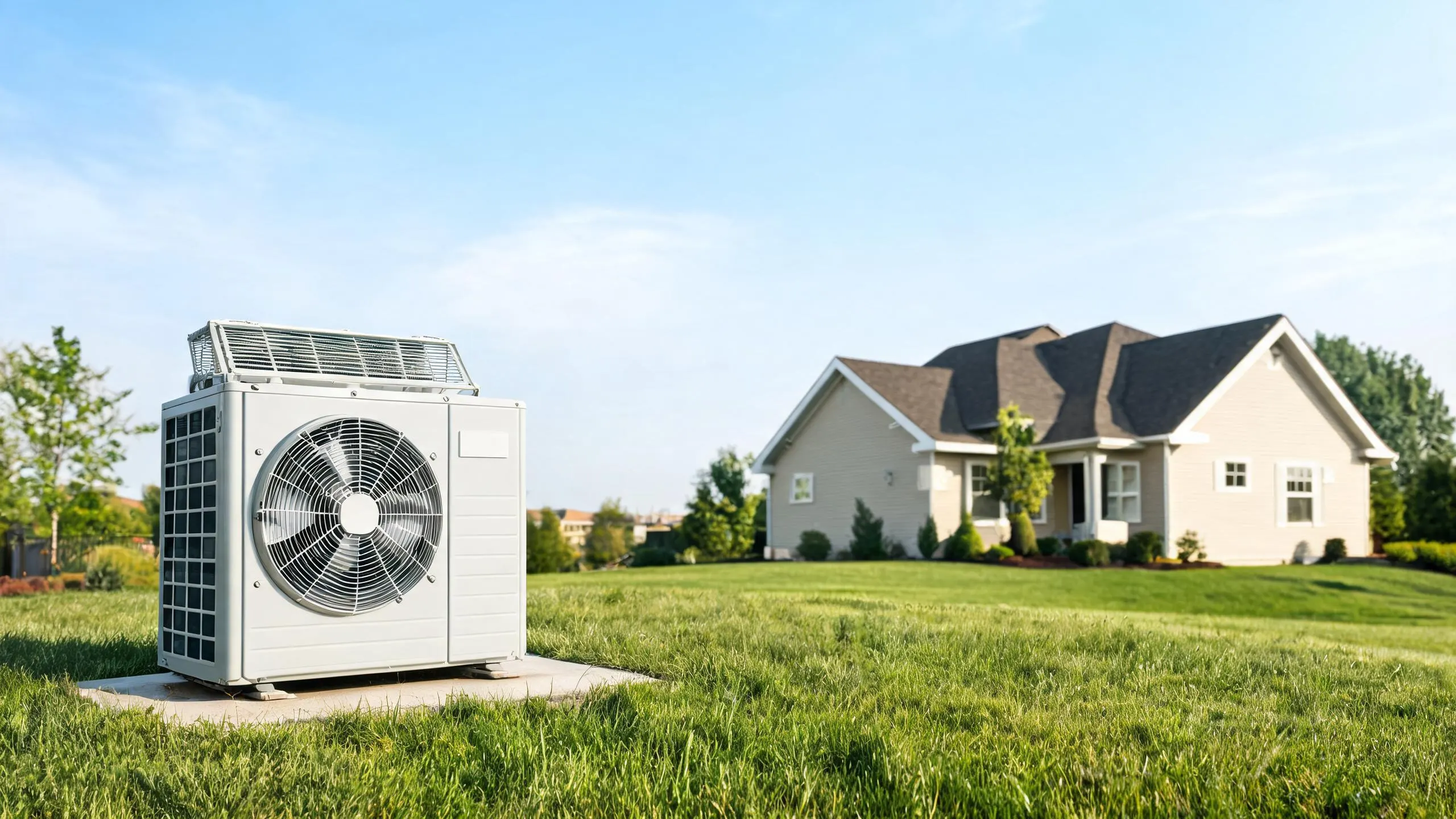
Heat Pump Installation in Alexandria, LA
A new system here will heat from November through March and cool from April through October every year. Tell us about the house, and a licensed contractor who covers Rapides Parish will get in touch.
Tell us about the job
It takes about a minute.
Alexandria runs a heat pump nearly year round
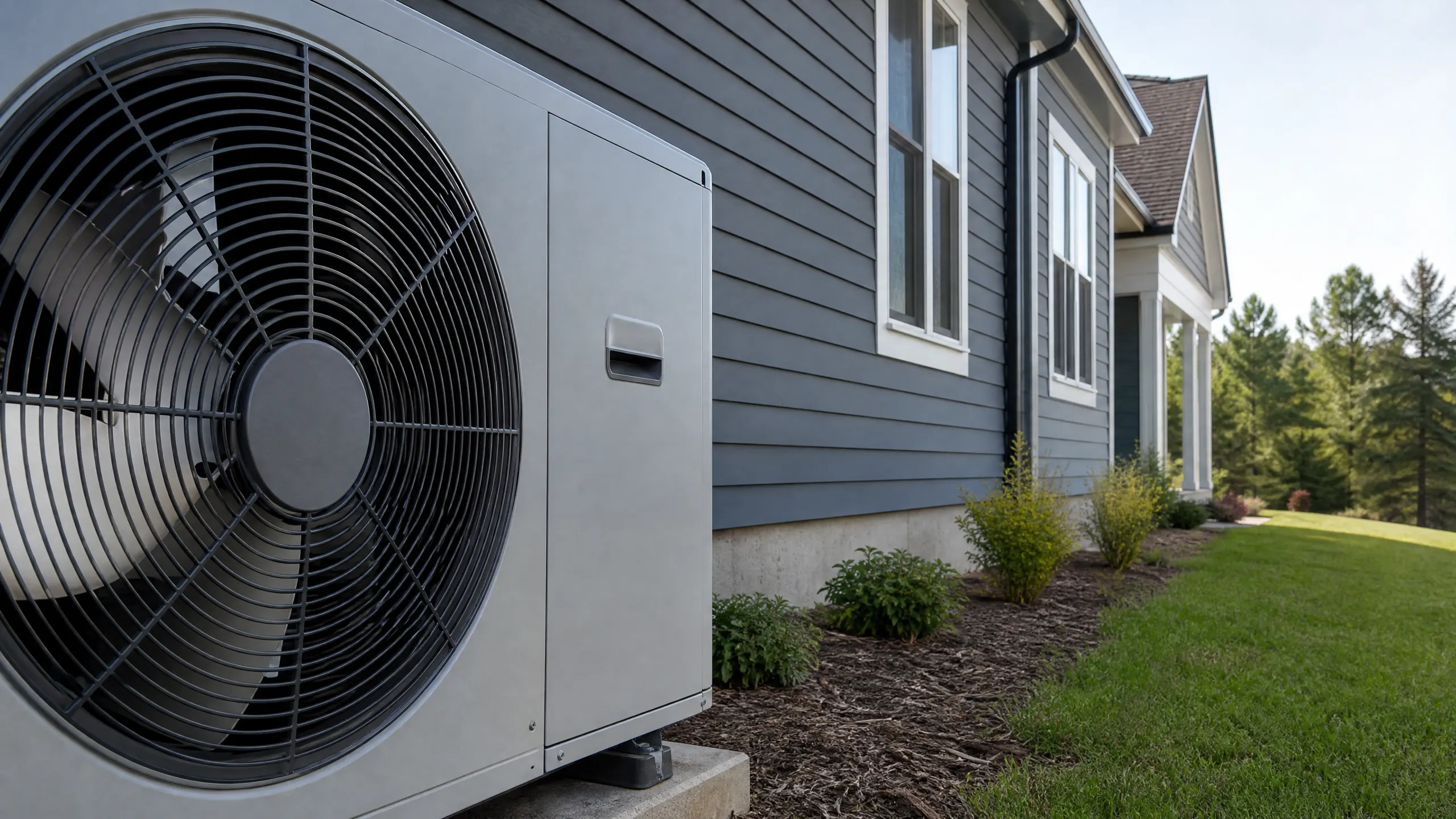
Heat or cooling stays on the job here 12 months a year, five months of heat from November through March and seven months of cooling from April through October. Winter nights average 41°F, mild enough that a heat pump keeps up without much strain. Summer afternoons average 92°F, and that side of the work is the harder one, running longer and asking more of the compressor.
Most homes here already heat with electricity, so the heat pump is doing double duty most of the year. A new split system has to meet the federal minimum of 14.3 SEER2 for cooling and 7.5 HSPF2 for heating, and with a Louisiana summer to answer to, the cooling side of that rating matters as much as the number itself.
- 5 months
- November through March, your system heats
- 7 months
- April through October, it cools
- 41°F
- the average winter night it heats against
- 92°F
- the average summer afternoon it cools against
NOAA nClimDiv, 1991–2020 normals
Louisiana requires HVAC contractors to hold a state license.
The Louisiana State Licensing Board for Contractors tests and records the contractor, not the job. That license stays with the business, so it carries over from one house to the next, but nobody from the board comes out to look at your heat pump once it's in.
That's why the permit matters here. In most cities and parishes, installing a heat pump needs a permit from the local building office, and an inspector checks the work once it's done. The state license tells you the contractor was tested. The permit and inspection are what actually get eyes on this installation, in your house, before anyone calls it finished.
Source: Louisiana State Licensing Board for Contractors
- Is a heat pump better than a furnace?
- A heat pump does something a furnace cannot. It cools your home in summer and heats it in winter, all from one system, where a furnace only burns fuel to make heat. Most homes here already heat with electricity, so a heat pump uses the same power source you likely have now. Winter nights average 41°F here, well within the range a heat pump is built to handle.
- What's the difference between a heat pump and an air conditioner?
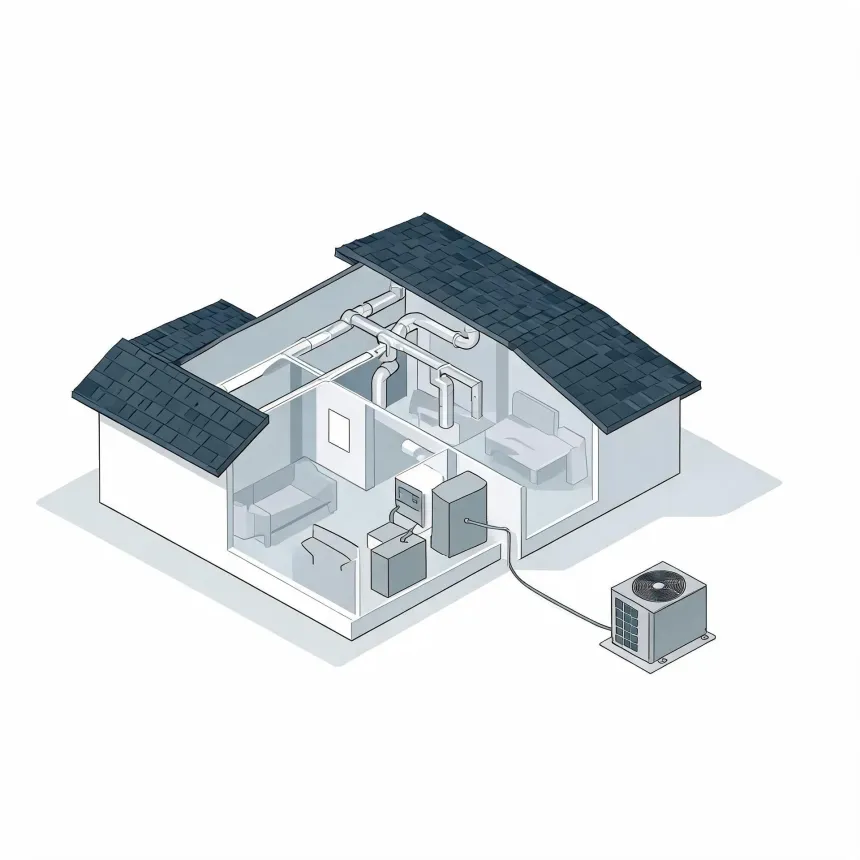
- An air conditioner only moves heat out of your home. A heat pump does that too, but it can also run in reverse and move heat into your home when it's cold outside. The parts inside look almost the same, a compressor, a coil outside, a coil inside, but the heat pump has a reversing valve that lets it switch directions. That valve is what lets one system handle both your summer cooling and your winter heat.
- Does a heat pump work in cold weather?
- Yes. A heat pump pulls heat from outside air and moves it inside, and it can do that well below freezing. Winter nights here average 41°F, which is mild compared to what a heat pump is designed to handle. Any heat pump installed today also has to meet a federal minimum of 7.5 HSPF2 for heating, a standard set for the coldest parts of the country, not just places like this one.