Heat Pump Installation in Leesville, LA
A new system here will heat from November through March and cool from May through October every year. Tell us about the house, and a licensed contractor who covers Vernon Parish will get in touch.
Tell us about the job
It takes about a minute.
Eleven months of work for one system
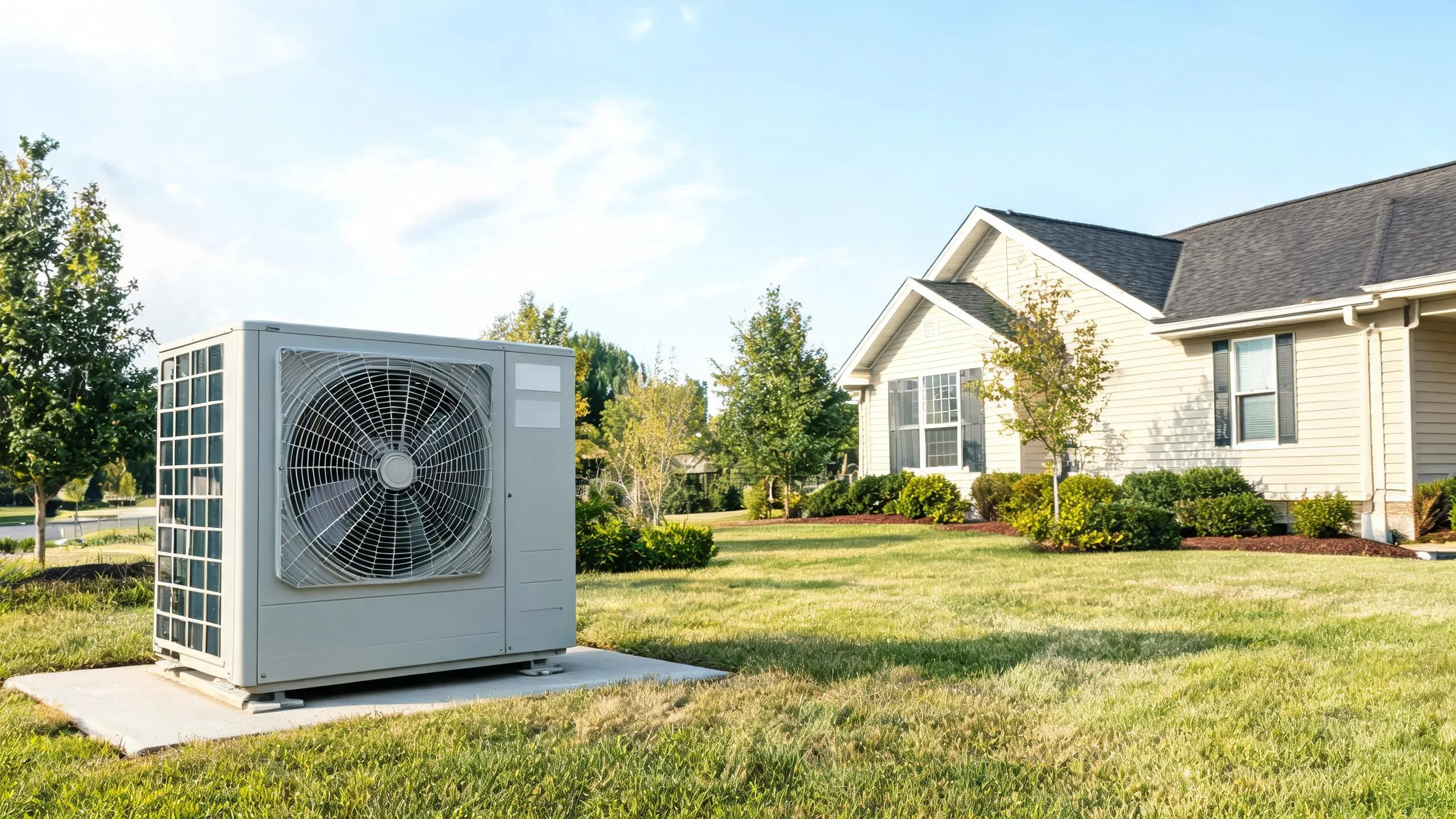
A heat pump in Leesville earns its keep. Homes here need heat from November through March, then cooling from May through October. That is eleven months a year the system is running one way or the other, with only a short break in between.
Winter nights average 40°F, which is mild enough that a heat pump can do the heating on its own most nights. Summer afternoons average 92°F, so the same system has to pull that heat back out of the house for six months straight. Any new split-system heat pump has to meet federal minimums of 14.3 SEER2 for cooling and 7.5 HSPF2 for heating, and in a climate that leans on both sides of the system this much, those numbers matter over the life of the equipment, not just on the spec sheet.
- 5 months
- November through March, your system heats
- 6 months
- May through October, it cools
- 40°F
- the average winter night it heats against
- 92°F
- the average summer afternoon it cools against
NOAA nClimDiv, 1991–2020 normals
Louisiana requires HVAC contractors to hold a state license.
The Louisiana State Licensing Board for Contractors tests contractors before it licenses them, and it keeps a record of who holds that license. The license belongs to the contractor, not to any single job, so the same license that qualifies someone to do this work covers the next one too.
For a heat pump installation, that license is what stands behind the work. Beyond it, most cities and parishes require a permit from the local building office for this kind of installation, along with an inspection once the work is finished. That permit and inspection are separate from the state license. They are the local check that the installation itself was done correctly.
Source: Louisiana State Licensing Board for Contractors
- Is a heat pump better than a furnace?
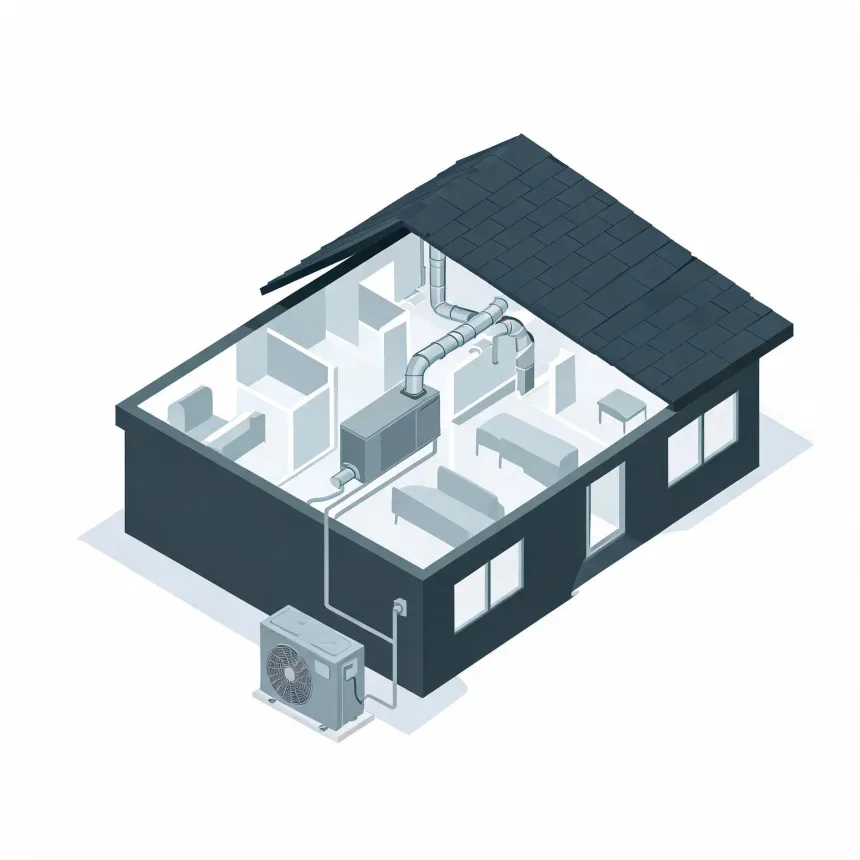
- A heat pump does something a furnace can't do. It heats your home in winter and cools it in summer, so you don't need a separate air conditioner. A furnace only burns fuel to make heat. Winter lows here average around 40°F, mild enough that a heat pump can handle the heating load on its own without leaning hard on backup heat. Most homes in this area already heat with electricity, so a heat pump fits well with that setup.
- What's the difference between a heat pump and an air conditioner?
- An air conditioner only moves heat out of your home. A heat pump does that same job in summer, then reverses and moves heat into your home in winter. Both use a compressor and refrigerant, but the heat pump has a reversing valve that lets it run backward when the weather turns cold. Summer afternoons here average 92°F, so a heat pump is doing the same cooling work a straight air conditioner would, then switching over for the five months a year homes need heat.
- Does a heat pump work in cold weather?
- Yes, a heat pump pulls heat out of outdoor air even when it's cold, down to well below freezing. It gets less efficient as the temperature drops. Most systems have backup electric heat strips that kick in on the coldest nights to help out. Winter nights here average around 40°F from December through February, mild enough that a heat pump can handle most of the season without leaning on that backup heat.