Heat Pump Repair in Leesville, LA
Homes here need heat from November through March and cooling from May through October. If your system quits, tell us what it's doing and a licensed contractor who covers Vernon Parish will get in touch.
Tell us about the job
It takes about a minute.
Your heat pump works almost all year here
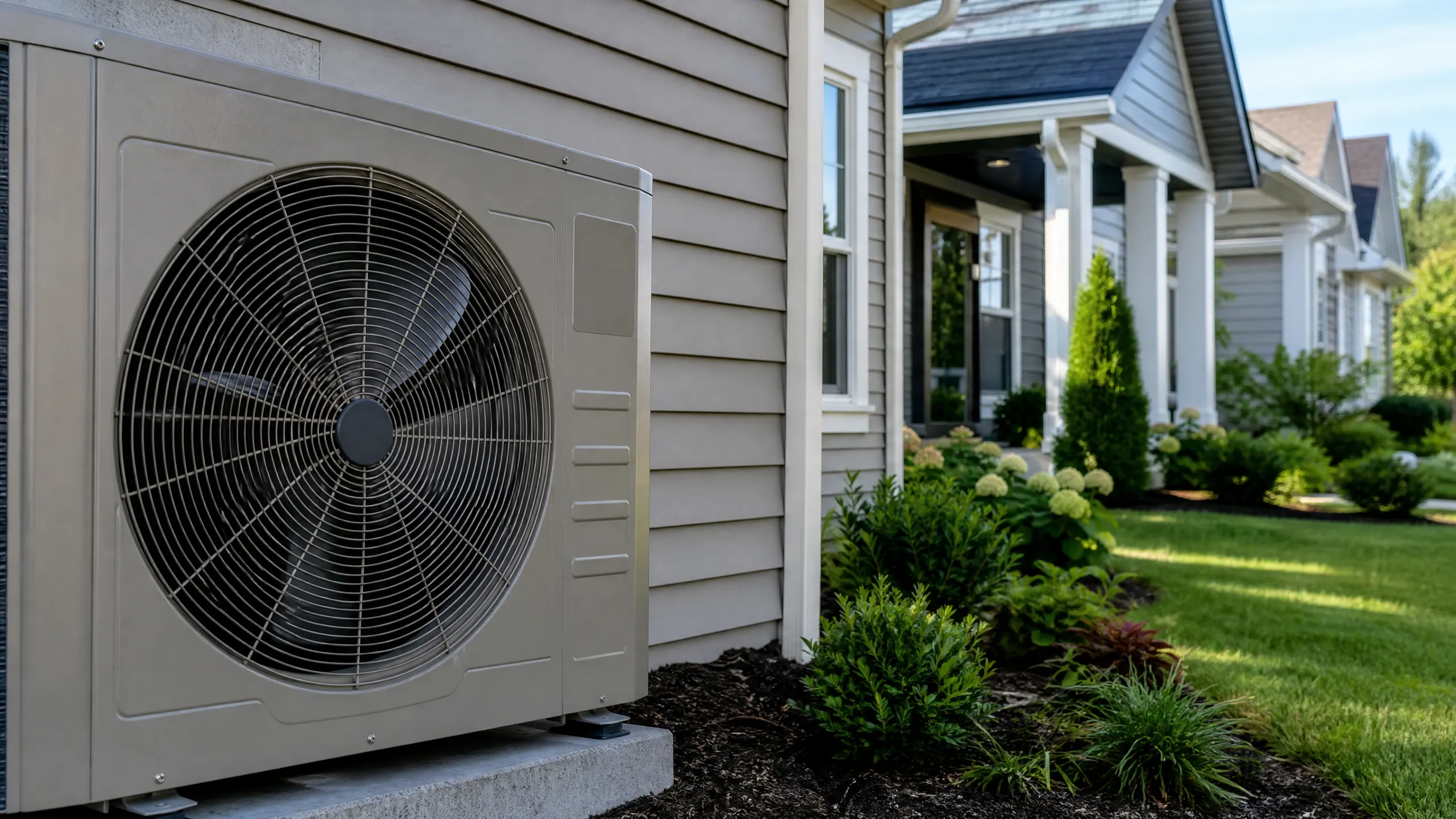
Leesville only gives your heat pump one slow month. It runs heat from November through March and switches to cooling from May through October, so the compressor is under load almost every week of the year. That kind of runtime wears on the parts that start it and reverse it, the reversing valve and the contactor, long before age alone would.
Winter nights averaging 40°F mean the unit is drawing on its defrost cycle and backup heat often, and a heat pump that can't defrost properly will ice over and stop warming the house. Summer afternoons near 92°F push the compressor hard on the cooling side, and the storms that come through, including the wind events on record here, can knock out power or damage the outdoor unit itself. When power drops for a day or more, as it did for nearly half of Louisiana households in 2024, the system needs to come back on and reach temperature on its own.
- 5 months
- November through March, your system heats
- 6 months
- May through October, it cools
- 40°F
- the average winter night it heats against
- 92°F
- the average summer afternoon it cools against
NOAA nClimDiv, 1991–2020 normals
Louisiana requires HVAC contractors to hold a state license.
The Louisiana State Licensing Board for Contractors tests contractors before it issues that license, and it keeps a record of who holds one. The license belongs to the contractor, not to any single job, so it does not get reissued or re-checked each time someone calls for a repair.
A heat pump repair usually means opening the refrigerant side of the system, and federal law requires anyone who does that, in any state, to hold EPA Section 608 certification. In Louisiana that certification sits alongside the state license rather than replacing it. Between the two, the contractor working on your heat pump is accountable both for being licensed to do the job and for being certified to handle the refrigerant inside it.
Source: Louisiana State Licensing Board for Contractors
- Why is my heat pump blowing cold air?
- In heating mode, a heat pump moves warm air through the vents at a lower temperature than a furnace would, so it can feel cool against your skin even when it's working right. If the air coming out feels cold rather than just cool, the system may be stuck in defrost mode, low on refrigerant, or the outdoor unit may not be running at all. A contractor can check refrigerant levels and confirm the outdoor unit is cycling the way it should.
- Why is there ice on my heat pump?
- A heat pump frosts over on its own during normal defrost cycles in cold weather, and that ice should clear within an hour or so as the system reverses briefly to melt it off. If ice builds up and stays, covering the coil or the whole cabinet, something is stopping the defrost cycle from working, often low refrigerant, a failed sensor, or a fan that isn't moving air across the coil. On winter nights here near 40°F, some frost is expected, but ice that doesn't melt off needs a contractor to look at it.
- Why is my heat pump running but not cooling?
- If the outdoor unit and indoor blower are both running but the air isn't cold, the system is likely low on refrigerant or the outdoor coil is blocked and can't release heat. A dirty filter can also restrict airflow enough that the coil freezes and stops cooling, so check that first. Fixing a refrigerant leak means opening the sealed side of the system, which by federal law only an EPA-certified technician can do.