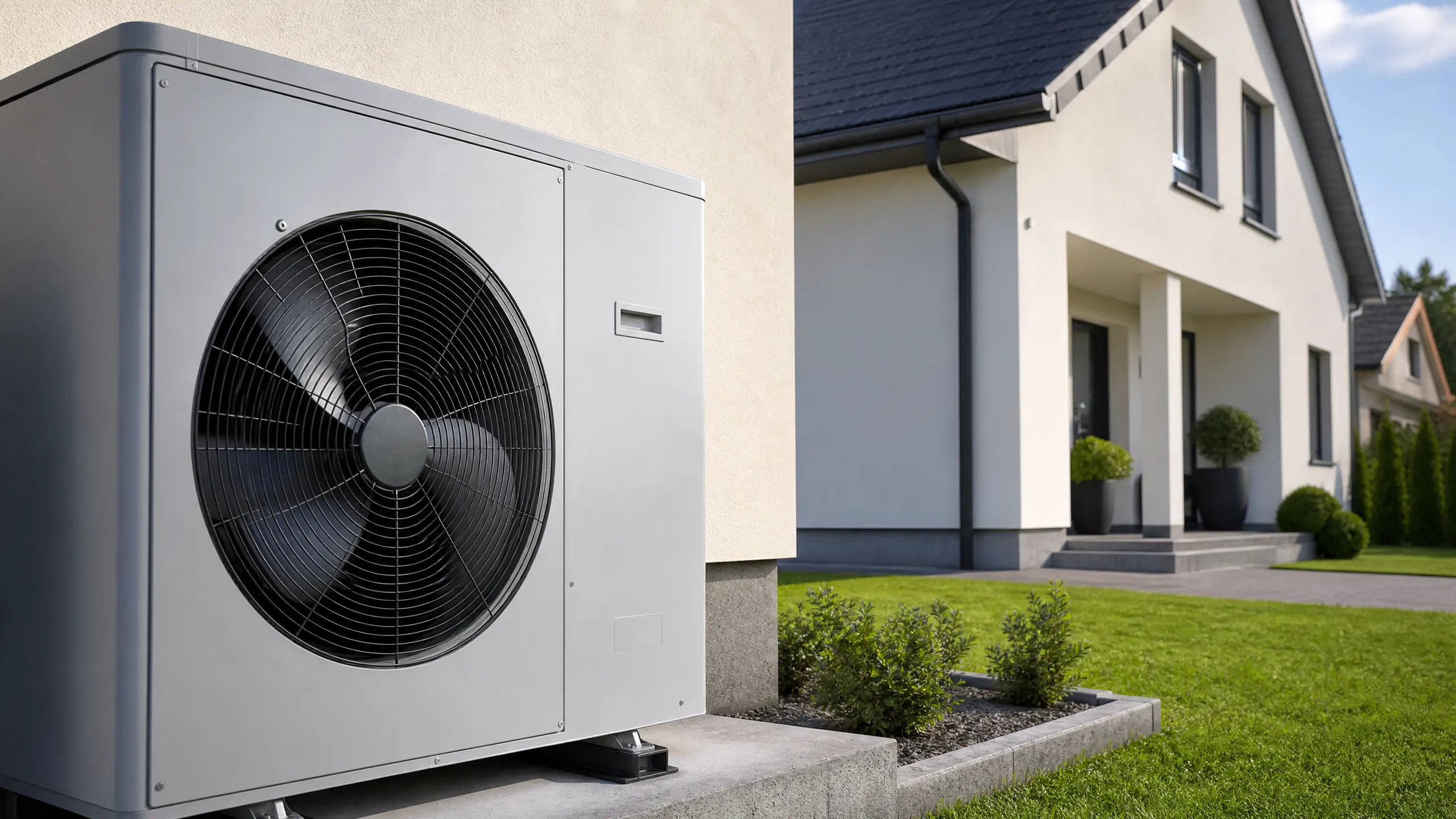
Heat Pump Installation in Baton Rouge, LA
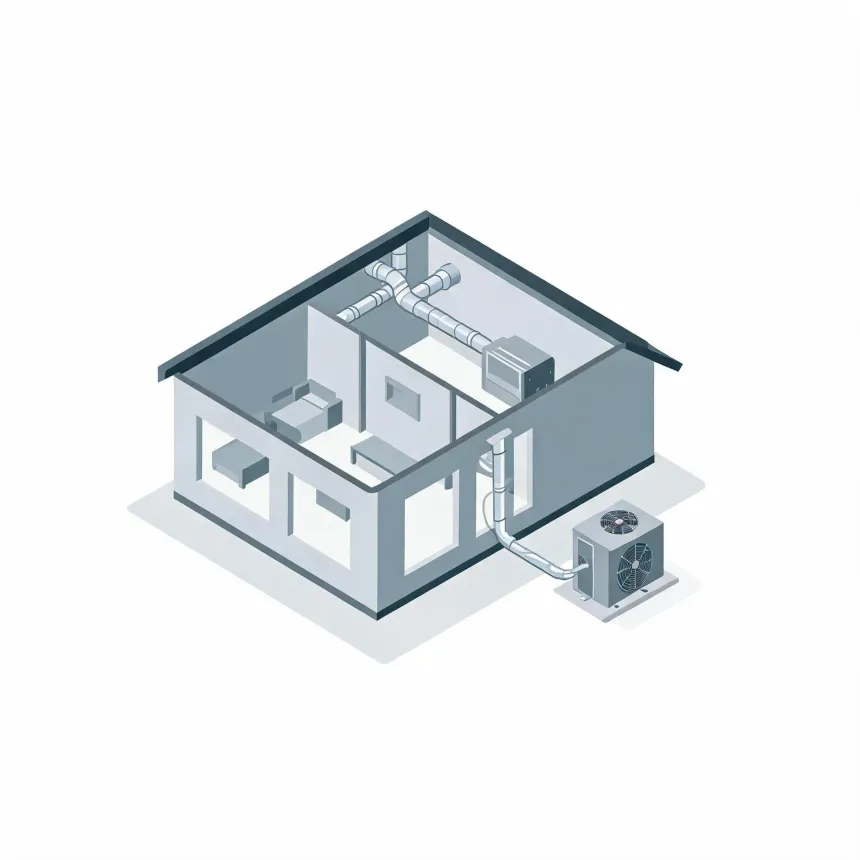
A new system here will heat from November through March and cool from April through October every year. Tell us about the house, and a licensed contractor who covers East Baton Rouge Parish will get in touch.
Tell us about the job
It takes about a minute.
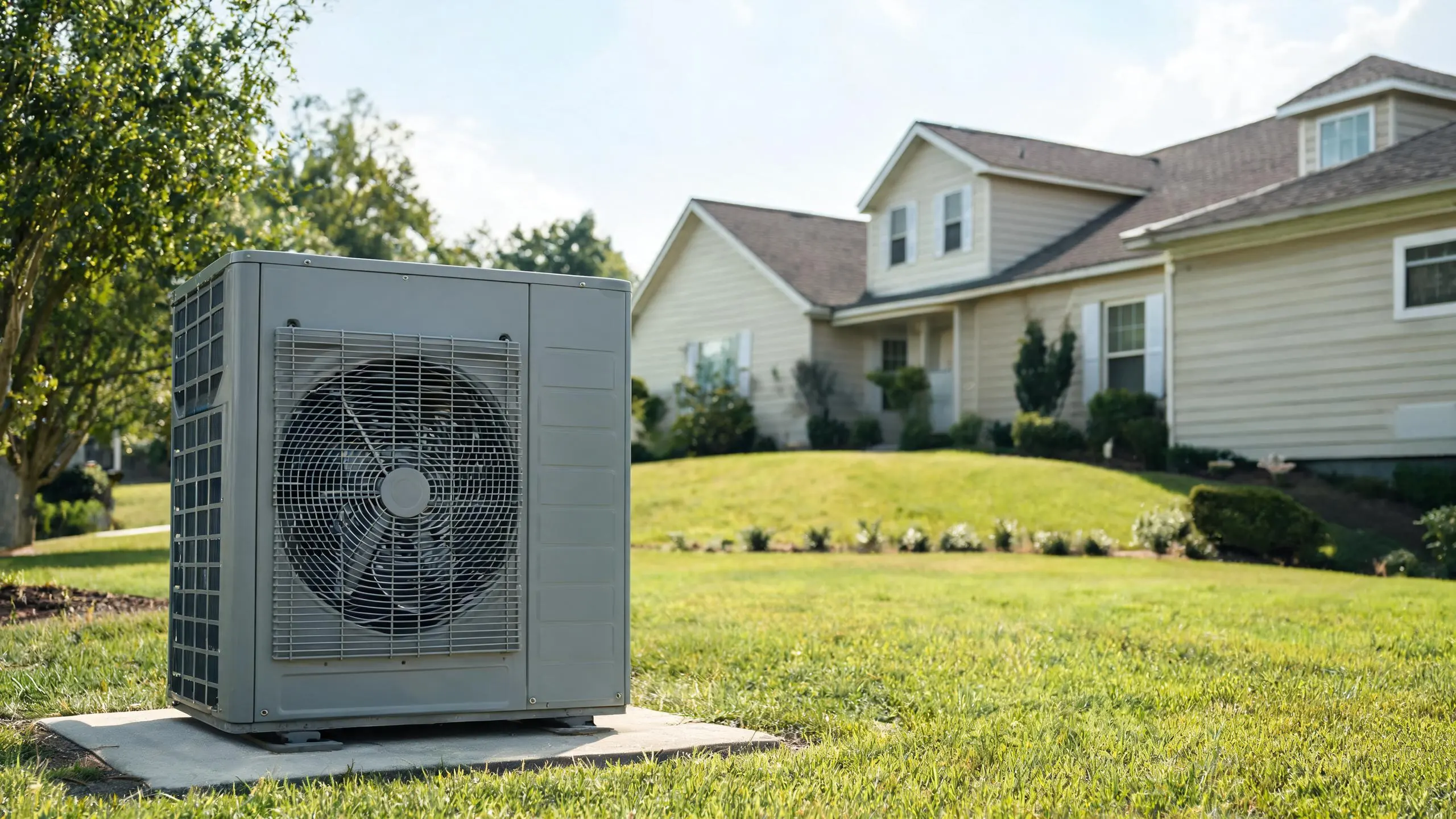
A heat pump here works every month of the year
There is no season off in East Baton Rouge Parish. Homes need cooling from April through October, seven months, when afternoons average 91°F. Then the heat pump switches over and carries the house from November through March, when winter nights average 42°F. That is all twelve months on one machine.
A new split-system heat pump has to meet federal minimums of 14.3 SEER2 for cooling and 7.5 HSPF2 for heating. Almost two thirds of homes here heat with electricity, which puts more weight on that heating side than in a place where furnaces do the work. The parish has also logged 100 damaging wind events over the past ten years, so the outdoor unit and its installation need to hold up to more than heat and humidity.
- 5 months
- November through March, your system heats
- 7 months
- April through October, it cools
- 42°F
- the average winter night it heats against
- 91°F
- the average summer afternoon it cools against
NOAA nClimDiv, 1991–2020 normals
Louisiana requires HVAC contractors to hold a state license.
The Louisiana State Licensing Board for Contractors tests and records the contractor, not the job. So the license tells you the person or business taking on your heat pump has already been checked out by the state. It does not mean the board looked at this particular installation.
That oversight covers who is allowed to do the work. What happens on your property still runs through the local building office. Installing a heat pump means running new refrigerant lines and setting new equipment in place, and in most cities and parishes that calls for a permit and an inspection once the work is finished. The state license and the local inspection are two different checks, one on the contractor and one on the job.
Source: Louisiana State Licensing Board for Contractors
- Is a heat pump better than a furnace?
- It depends on what you're after, but for most homes here a heat pump makes sense both ways. A furnace only heats. A heat pump heats and cools with one system, running in reverse to pull warmth from outside air in winter and push it out in summer. Here winters are mild, average lows around 42°F, so a heat pump doesn't have to work as hard as it would somewhere colder. With cooling needed April through October and heat only November through March, a system built to do both earns its keep most of the year.
- What's the difference between a heat pump and an air conditioner?
- An air conditioner only cools. A heat pump cools the same way but can also run in reverse to heat your home. Inside your home an AC and a heat pump work the same in summer, moving heat from indoors to outdoors. Where they split is winter. The air conditioner can't help you then, and you need a furnace or some other heat source. The heat pump takes over, pulling heat from the outside air and moving it in, so one system covers both jobs.
- Does a heat pump work in cold weather?
- Yes, a heat pump still pulls heat from outside air even when it's cold, though it works harder as the temperature drops. Winter nights here average 42°F, which is well within the range a heat pump handles without trouble. Heat pumps installed new have to meet a federal minimum of 7.5 HSPF2 for heating, so any new unit is built to perform through a winter like the ones here.