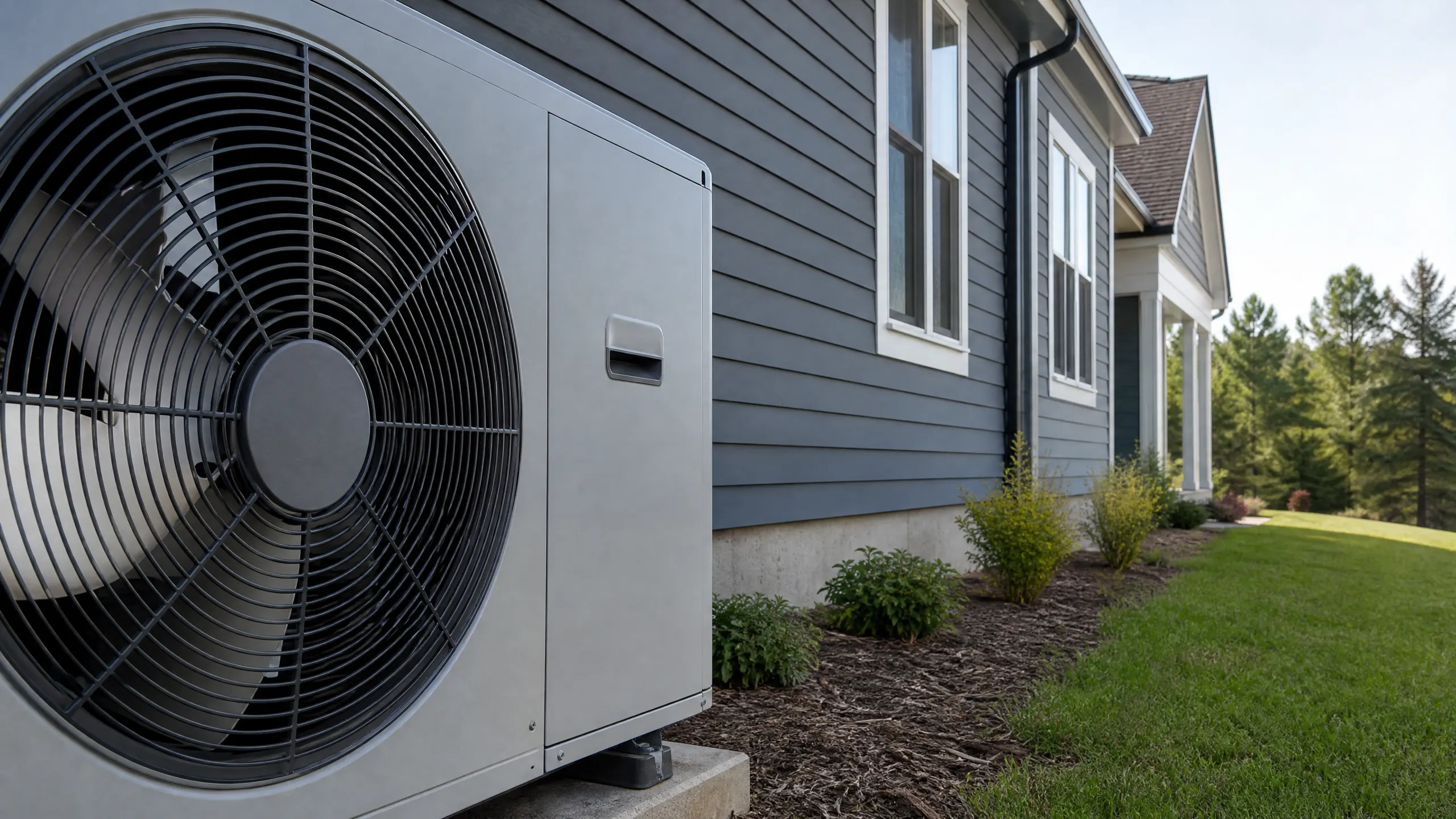
Heat Pump Repair in Baton Rouge, LA
Homes here need heat from November through March and cooling from April through October. If your system quits, tell us what it's doing and a licensed contractor who covers East Baton Rouge Parish will get in touch.
Tell us about the job
It takes about a minute.
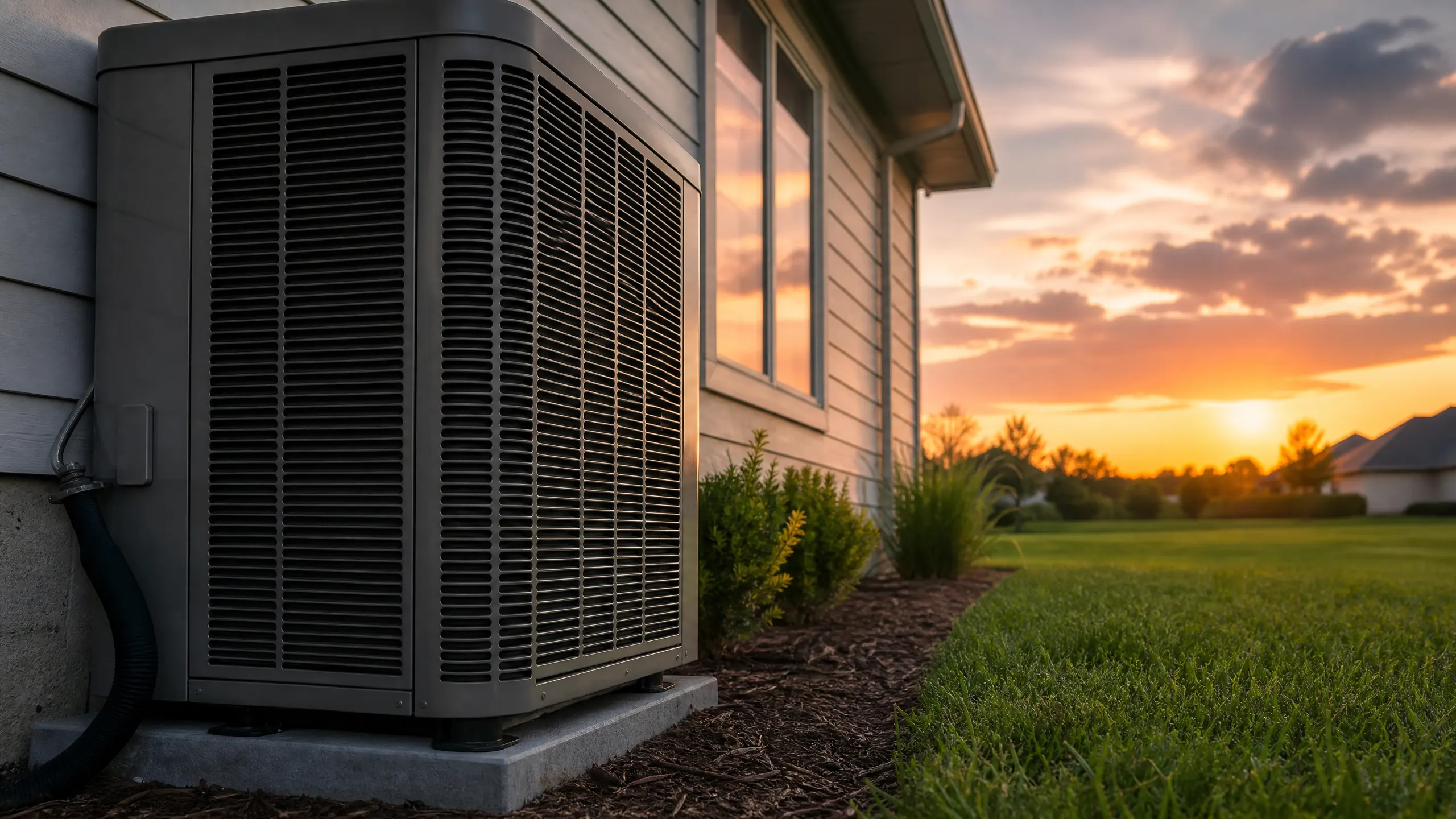
Your heat pump runs almost year round here
Baton Rouge asks a heat pump to work in both directions, cooling through summer afternoons that hit 91°F and heating through winter nights that drop to 42°F. Between the two seasons the system barely rests, and that steady demand wears on the compressor and the reversing valve, the parts that let it switch between heating and cooling.
Most homes here heat with electricity, so when the unit stops working there is no backup furnace to fall back on. Storms make this worse. With high wind events common in this area and about half of Louisiana households losing power for a day or more last year, a heat pump that loses power and does not restart on its own can leave a house with no heat or cooling until someone resets it.
- 5 months
- November through March, your system heats
- 7 months
- April through October, it cools
- 42°F
- the average winter night it heats against
- 91°F
- the average summer afternoon it cools against
NOAA nClimDiv, 1991–2020 normals
Louisiana requires HVAC contractors to hold a state license.
The Louisiana State Licensing Board for Contractors tests contractors before it licenses them, and it keeps a record of who holds one. That license belongs to the contractor, not to any one job, so the same license that covers a new install covers a repair call on your heat pump.
Because this job means opening the refrigerant side of your heat pump, the technician also has to hold EPA Section 608 certification. That one comes from federal rule, not the state, and every technician who touches refrigerant needs it no matter where they work. Between the two, you have a contractor the state has vetted and a technician certified for the specific part of the job that involves refrigerant.
Source: Louisiana State Licensing Board for Contractors
- Why is my heat pump blowing cold air?
- In heating mode, a heat pump does not put out air as hot as a furnace, so it can feel cool against your skin even when it is working right. If the air is truly cold, not just cool, check that the outdoor unit is running and not iced over. A low refrigerant charge or a failed reversing valve will also leave you with cold air blowing through the house, and both need a licensed contractor to diagnose.
- Why is there ice on my heat pump?
- Some frost during a defrost cycle in winter is normal. A heavy coat of ice that does not clear on its own is not. That usually means airflow across the outdoor coil is blocked, by a dirty coil, a failed fan motor, or a refrigerant leak dropping the coil temperature too low. Do not chip the ice off yourself. Shut the unit off and have a contractor look at it, since running it iced over can damage the compressor.
- Why is my heat pump running but not cooling?
- If the outdoor unit and indoor blower are both running but the air coming out is not cold, the system is likely low on refrigerant or the compressor itself has failed. A dirty outdoor coil restricts the airflow it needs to reject heat and can cause the same problem. On a 91°F afternoon this shows up fast, since the system has to work harder to keep up. Any work on the refrigerant side has to be done by a technician with EPA Section 608 certification, which is federal law everywhere.