
A vent that can breathe
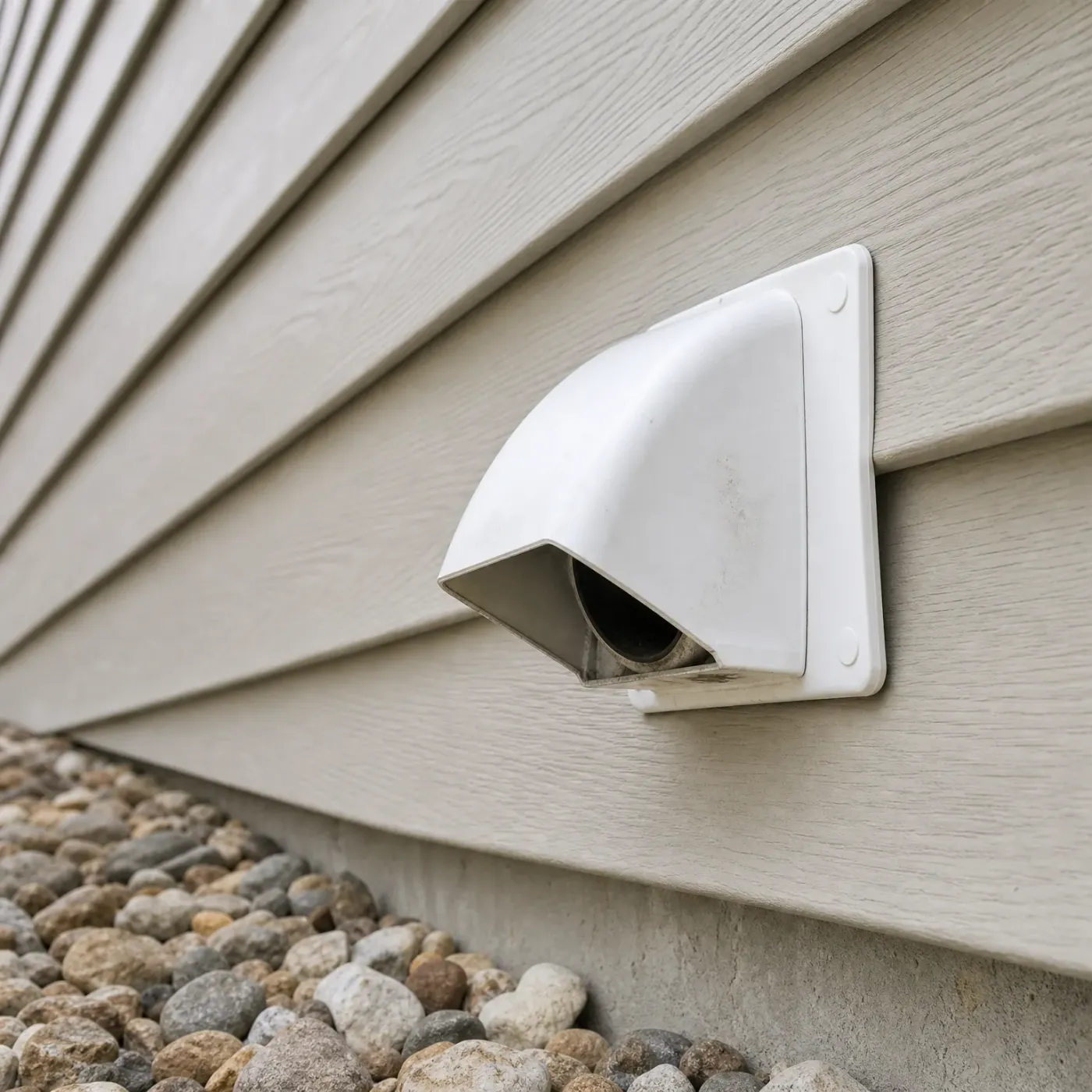
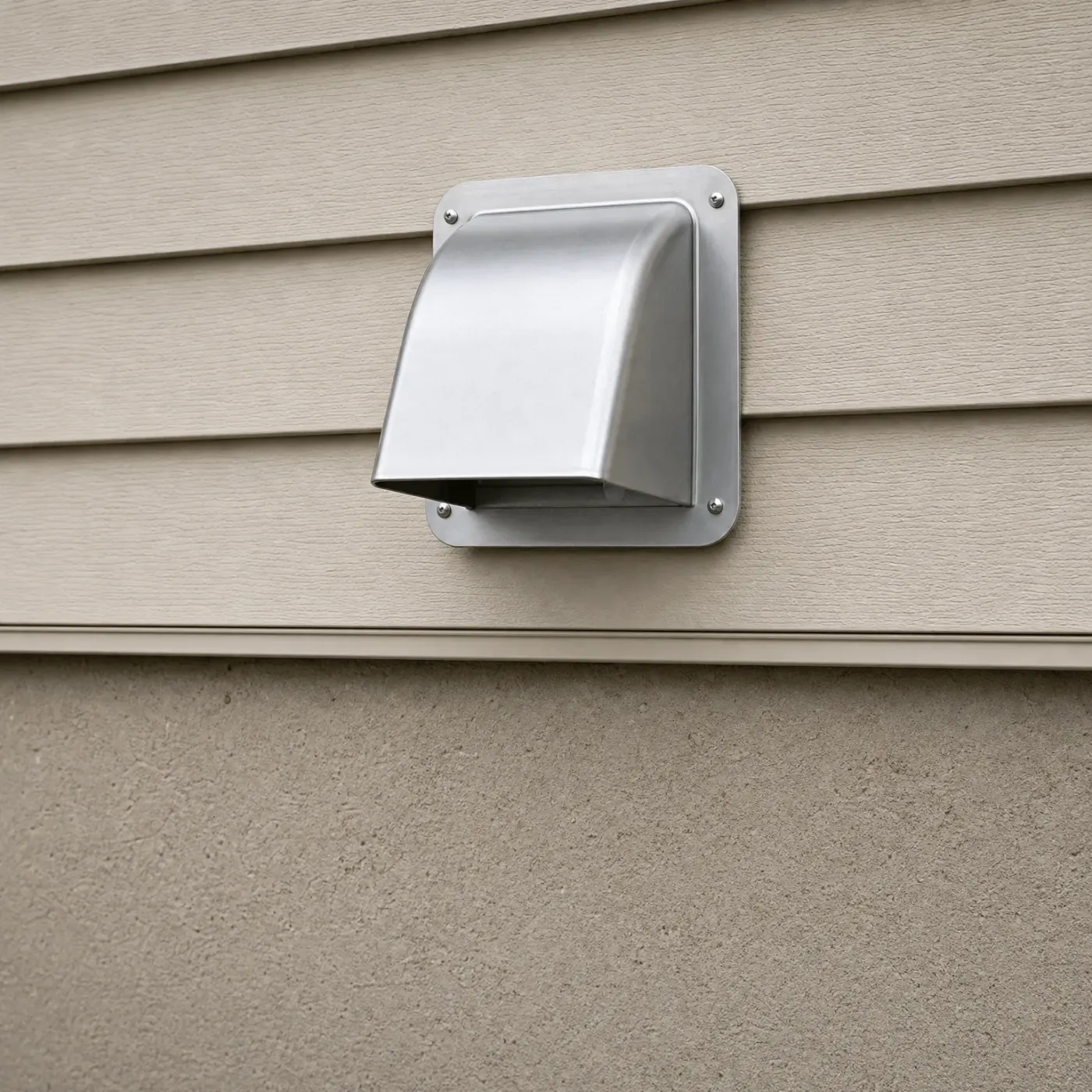
This is what the outside cap should look like. The louvers sit open and clear, and air and lint pass through on their way out. Push the dryer door shut and you should feel air moving at the cap within a few seconds.
Your request goes to a Lafayette Parish pro who takes dryer vent jobs.
Request a proYou run your dryer several times a week, maybe more if you've got kids or a big household, and you've heard lint buildup can start a fire. With Lafayette's humidity keeping laundry damp longer, your dryer may be working harder than most to get clothes dry, so it's worth knowing what a clogged vent actually does and whether yours is a real risk.
Lint is highly flammable, and when it builds up in the vent it blocks the hot air your dryer needs to push outside. That heat has nowhere to go, so it collects around the lint inside the vent and the dryer's own heating element keeps adding to it. Given enough time, that's what starts the fire. In Lafayette's humidity, clothes often need longer dryer cycles to get fully dry, which means more heat running through the vent over the course of a load. A vent that's partly blocked makes the dryer run even longer to finish the job, adding more heat exposure to the lint sitting in that line.
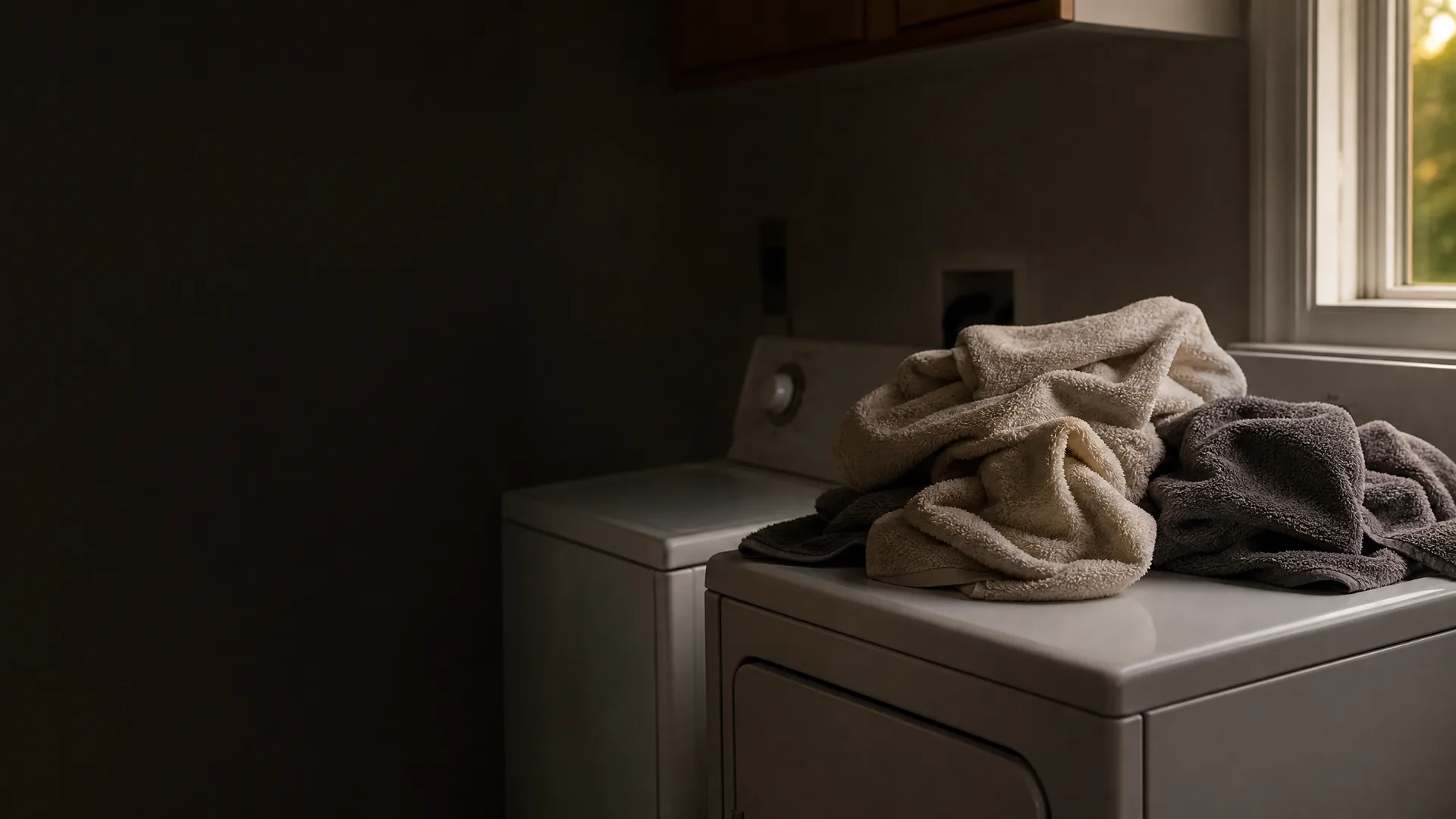
It's almost nine on a Tuesday and you're still in the laundry room. The dryer's been running since before dinner and that pile of towels on top of it is still damp at the edges when you check. You run it again, longer this time. The room feels warmer than it should, and the air coming off the machine smells faintly hot, like dust on a stovetop burner. You open the door, pull the towels out, feel them. Still not right. Outside it's thick and humid, the kind of Lafayette evening where nothing dries fast, so you tell yourself that's all this is. You load the towels back in and start the dryer again, and head back to whatever you were doing before.
2.43 people per household on average
Households here run 2.43 people on average, which means more loads through the same vent and more lint built up between cleanings.
Half the homes here were built by 1988
Half the homes in the parish went up in 1988 or earlier, and vent runs in older houses tend to be longer or bent, trapping more lint.
Power here costs 11.87 cents per kilowatt-hour
Power here runs 11.87 cents per kilowatt-hour, cheap enough that people run the dryer again rather than wait, with a vent already restricted.
ACS 2020-2024 · EIA-861 2025

This is what the outside cap should look like. The louvers sit open and clear, and air and lint pass through on their way out. Push the dryer door shut and you should feel air moving at the cap within a few seconds.

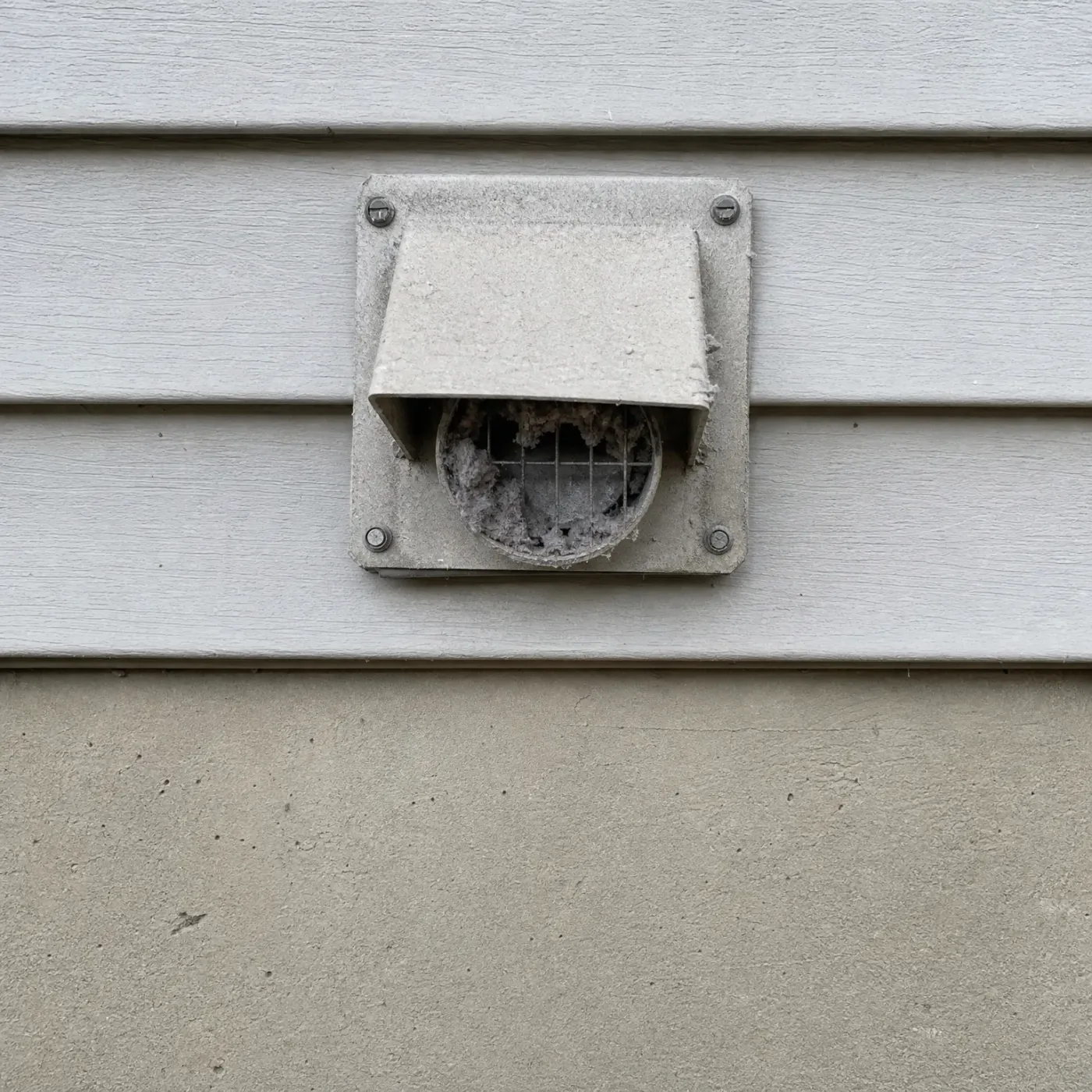
Lint has packed the opening and coated the hood and the siding around it. Air still has to go somewhere, so it backs up into the duct instead. That's where the heat from the dryer's heating element has nowhere to go but into the lint itself.




One request and the search for a pro is handled.
Get matched with someone who does this kind of work in Lafayette Parish.
It costs nothing to send, and you don't have to hire anyone.
A dryer is built to push hot air out through the duct, not hold onto it. When lint narrows that path, the air that should be leaving stays in the cabinet and keeps cycling past the heating element. The thermal fuse is the backstop for this. It cuts power when the air around it gets too hot, but by the time it trips, heat has already been building for a while, not just that one cycle. Gas dryers add another problem. The same blocked path that traps heat also traps the carbon monoxide the burner produces, and it has nowhere to go but back toward the drum and the room. Lint doesn't need much heat to catch, less than paper does, which is why a restriction that just seems like a slow dry is doing more than wasting your time. Most of this buildup isn't sitting at the wall cap where you'd spot it. It's packed into the elbows and bends further back in the duct, out of sight, doing the most damage where you'd never think to check.


A clogged dryer vent is a fire risk, in Lafayette the same as anywhere else, and the humidity here only adds to how fast lint packs into a damp mat along the duct. You've seen the signs already if you've been paying attention: longer dry times, a warm laundry room, a cap outside that barely moves air when the door's shut. None of that gets better by running the dryer again. A clean vent lets heat and moisture leave the house as fast as the dryer produces them, and that's the whole difference between a dryer that's safe to walk away from and one that isn't. You don't have to track down who handles this or figure out what to ask them. Send the form and that part is off your plate, and a contractor who services Lafayette Parish homes will reach out to get it scheduled.

The right pro for this job