
Clear and venting
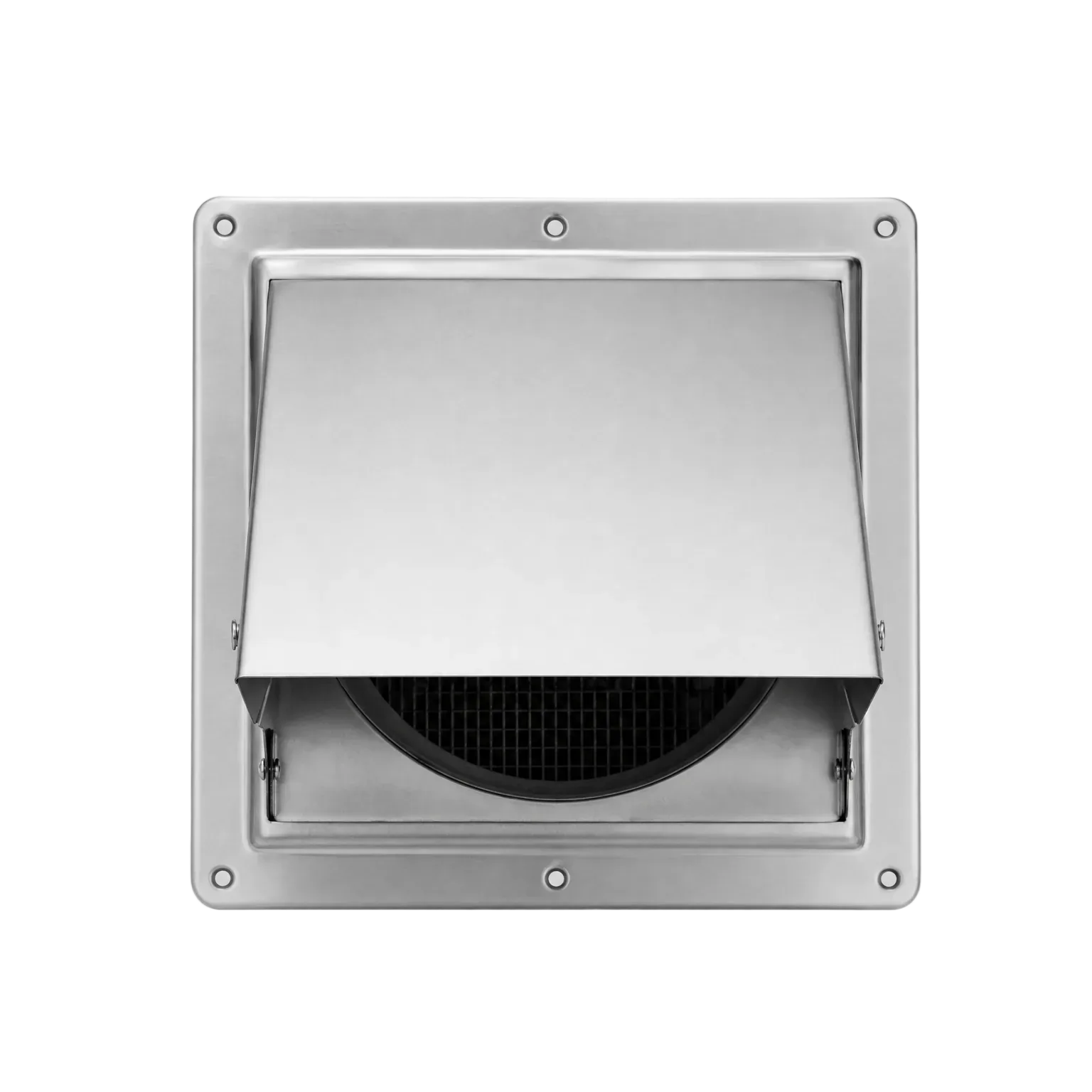
That grille stays open and the air moves straight out past the mesh. A load of towels pushes its heat and moisture through without a fight, and the cycle ends when the timer says it should, not later.
You run a load of laundry most days and that vent is working just as hard, pushing hot wet air out of the house every time. With Louisiana humidity already heavy in the air for months at a stretch, you want to know if the vent needs more attention here than it would somewhere drier, and how often you should actually get it cleaned before lint turns into a real problem.
Once a year is the standard for most households, and Louisiana doesn't change that number. What changes is why it matters here. The humidity in the air works against the vent, slowing how fast moisture clears out with each load, so lint sits in a damper environment and clings to the duct walls instead of blowing straight through. A vent that's already restricted takes longer to dry clothes and makes the dryer run hotter than it should. If you run multiple loads a day or have a long duct run to the outside, moving to twice a year is worth doing. Either way, a yearly cleaning keeps lint from building up into a blockage that raises the fire risk and shortens the life of the dryer itself.

Lint builds up along the duct walls and narrows the path the air has to travel. The dryer still runs the same cycle, but it has to push harder to move that same load of hot, wet air outside. That strain shows up as longer drying times first, then as a dryer that runs hot to the touch. Louisiana air is already carrying a lot of moisture, so a vent that's partly blocked has less room to clear that extra humidity out of the laundry room.
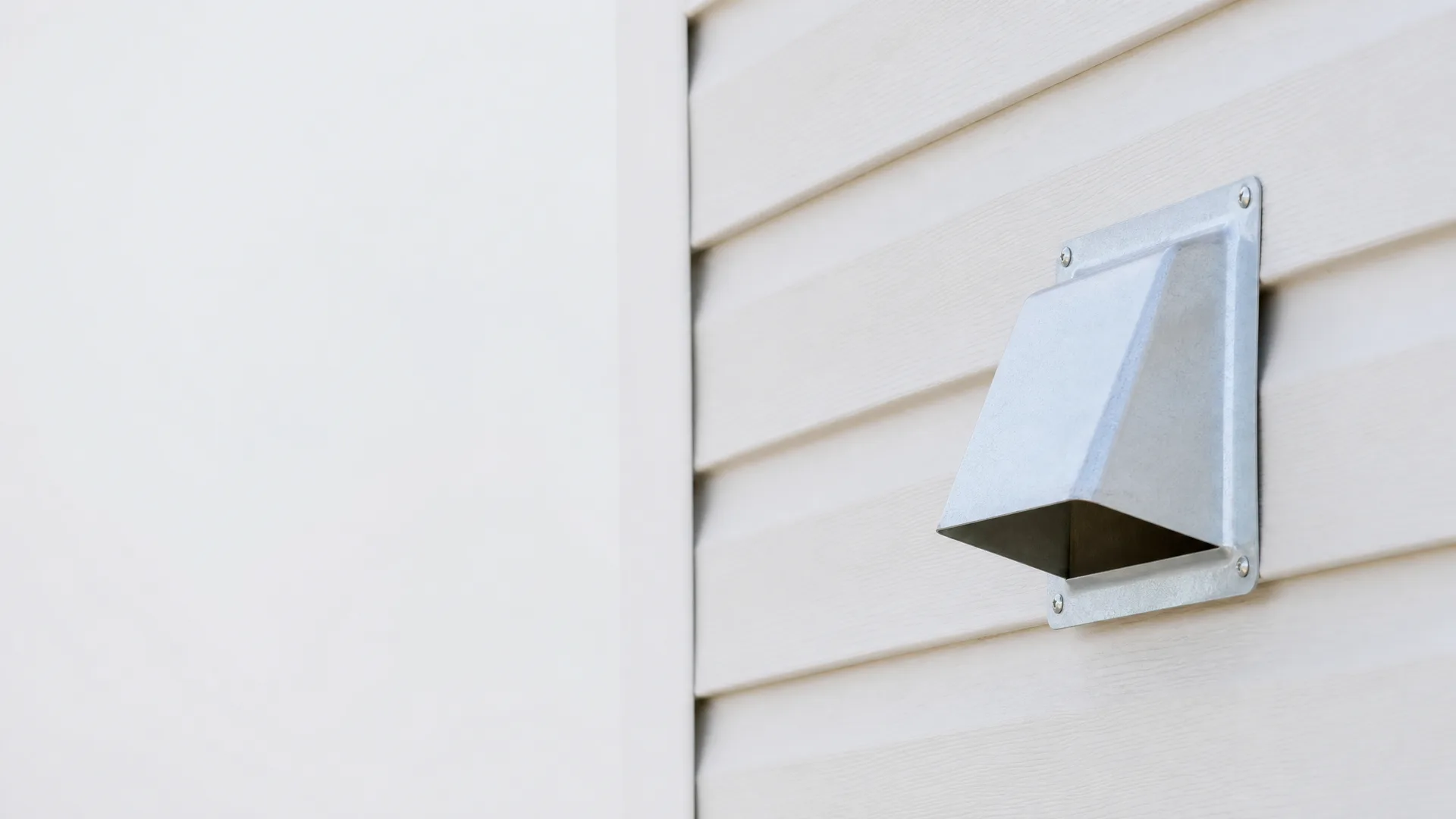
Step outside while a load is running and look at the vent hood on the exterior wall. The flap should open and you should feel steady warm air pushing out. Weak airflow, or flaps that barely move, points to lint packed somewhere in the run between the dryer and that hood. Some homes have a short, straight duct run and some have a longer one with a bend or two, and that difference changes how fast lint collects inside it.







It's almost nine on a Tuesday and you still haven't moved the towels. You started the load after dinner, figuring an hour, maybe a little more with how heavy the humidity's been. Two cycles later they're still damp at the fold, warm on top and cool underneath, piled on the lid because the basket's full of the next load. You open the door and feel the heat roll out slower than it should, thick, like it's got nowhere to go. The room smells faintly warm, almost dusty. You press a towel to your cheek out of habit, the way you always check, and set the dryer running again, telling yourself you'll look at the vent this weekend.
Skip calling around for someone who cleans dryer vents.
It costs nothing to send, and you don't have to hire anyone.
Most houses in Louisiana do fine on a yearly cleaning, especially if nobody's hanging wet towels or heavy bedding through that vent every week. A once-a-year schedule keeps the lint load light enough that the dryer never has to fight for airflow. You'll still want to watch for the signs between visits, a load that takes longer than it used to, a dryer that runs hotter than normal, a laundry room that feels more humid than the rest of the house. Those are signs the vent is building up faster than expected, and they matter more than the calendar does. With electric dryers, which is what most homes here run, a blocked vent also means the heating element is working longer than it should to get clothes dry, which shows up on a power bill even though power here is cheap.
Skip past a year and the lint has more time to pack into the bends and joints where the duct turns, and Louisiana's humidity makes that lint damp and heavier before it ever dries out again. A vent that goes two or three years without attention often shows it plainly, towels that come out warm but not dry, a dryer that shuts off on its own partway through a cycle, a burning smell when it's been running a while. Waiting doesn't just mean a longer job when someone finally gets to it. It means the dryer has spent months pushing against a narrowing duct, and the exhaust has had more chances to back up into the room instead of outside where it belongs.


At 12.52 cents a kilowatt-hour, a dryer straining against a clogged vent runs longer and costs more every time you run it. Electricity here is cheap enough that most homeowners never notice the creep. A clear vent keeps that load short and keeps the bill from drifting up on you.
EIA-861 2025 statewide residential average

That grille stays open and the air moves straight out past the mesh. A load of towels pushes its heat and moisture through without a fight, and the cycle ends when the timer says it should, not later.

Lint and nesting material have filled the hood until the louvers barely open. The dryer is still trying to force a full load of hot wet air through that gap, and most of it has nowhere to go but back into the duct.
Once a year keeps a Louisiana dryer vent doing its job, clearing in a season or two if towels and bedding run through it often. That's the whole answer. The sign you're overdue is the one you already noticed, drying times stretching past what they used to be. Past that, you're left checking a lint screen you can't reach and guessing at how much is packed in a duct you can't see. Finding someone to look isn't worth the trouble it usually takes, calling around, explaining the same thing twice, sorting through quotes that don't match up. Send the form instead and that part stops being yours to manage. Someone who clears vents for a living takes it from there, and you go back to running loads without wondering what's built up behind the wall.

It's off your list after this