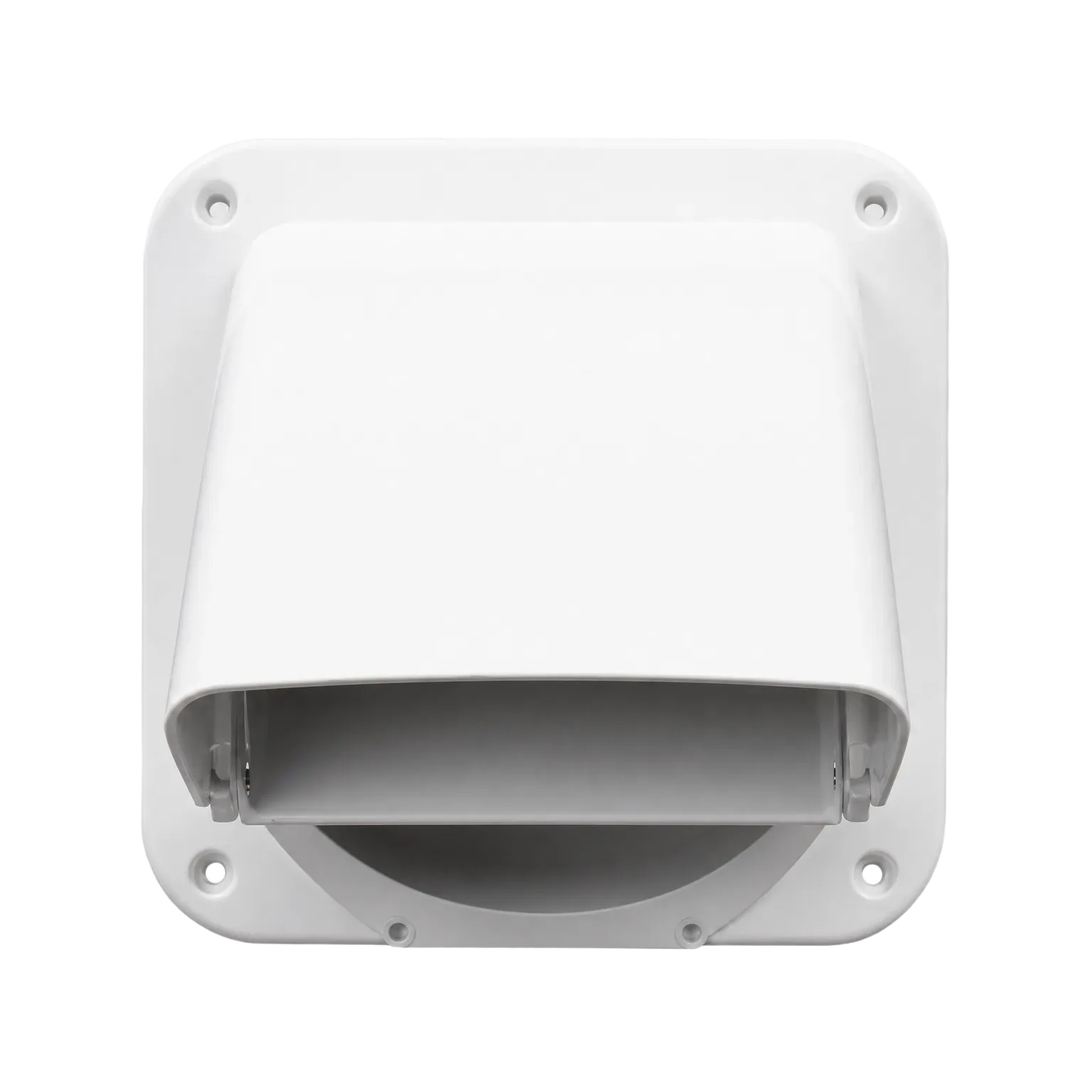
Clear and venting properly
The hood sits flush against the siding and the flap swings freely when the dryer runs. Air moves out fast, and it carries the heat and moisture with it. Loads dry in one cycle, the way they should.
Lint builds up in a dryer vent every time you run a load, and most people only think about it once clothes start taking longer to dry or the laundry room feels warmer than it should. You want a number you can actually plan around, not a vague warning, so you know when to get someone out to clear the line before it turns into a bigger problem.
A yearly cleaning is enough for most households, because that's roughly how long it takes for lint to narrow the vent enough to slow the airflow. Humidity here adds to the problem. The thick, muggy air for much of the year means lint picks up moisture before it fully clears the duct, so it clings to the sides instead of blowing through. A vent that might stay clear for a year in a drier climate can clog faster here. If you run the dryer daily, for a large family or a lot of towels and linens, check it twice a year instead. A vent that empties outside near shrubs or screening can also trap lint faster and is worth a closer look.
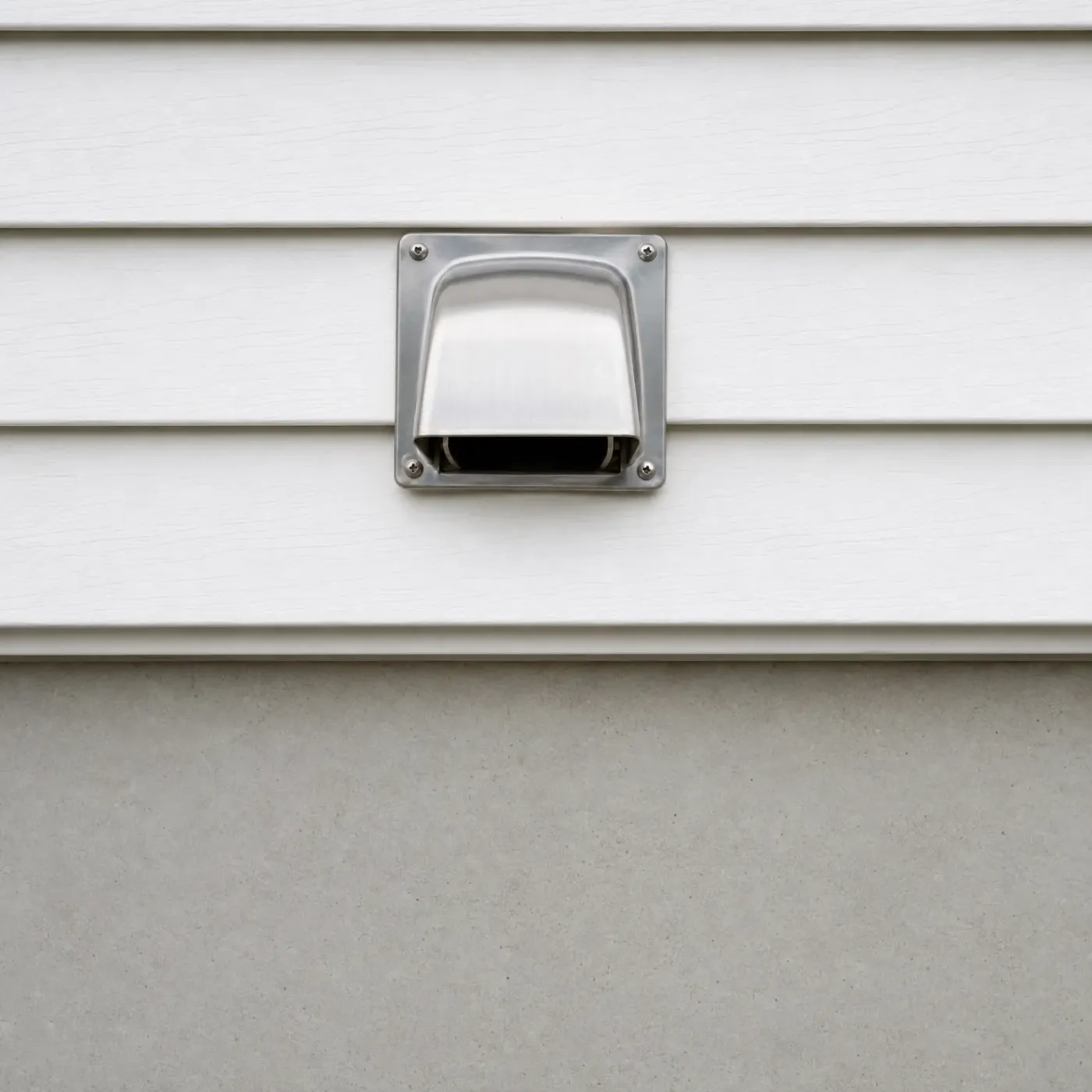
The hood sits flush against the siding and the flap swings freely when the dryer runs. Air moves out fast, and it carries the heat and moisture with it. Loads dry in one cycle, the way they should.
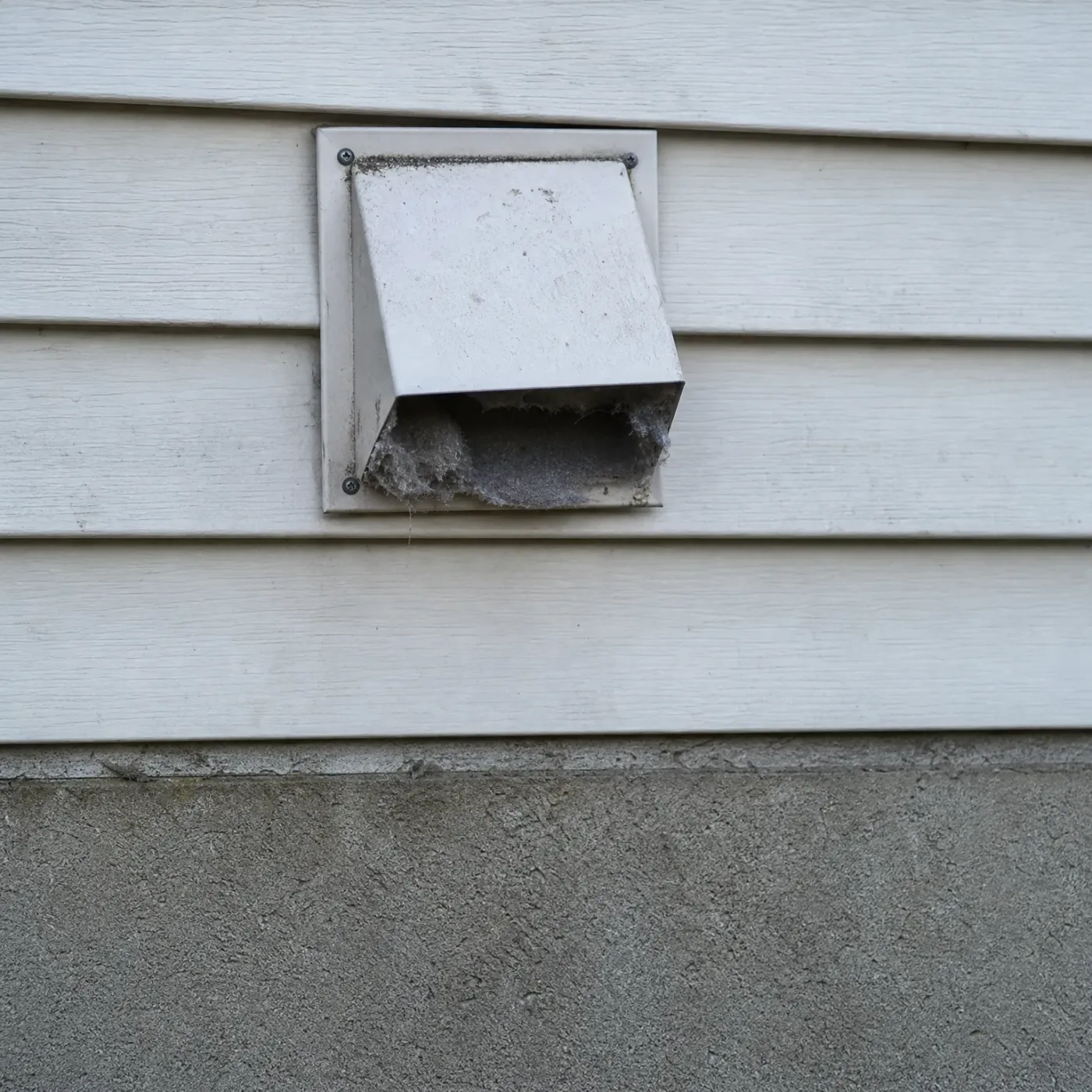
Lint has packed the hood until the flap can't close. Humid Louisiana air and all that trapped lint give mold and pests a place to settle. A dryer working this hard to push air out is also working harder for every load, all year.
2.29 people per household on average
With 2.29 people in the average Orleans Parish household, that dryer is running loads most days of the week, and every one of them pushes lint toward the vent.
Half the homes here were built by 1960
At half the homes here built in 1960 or earlier, the vent run is older too, and a duct that old has had decades to pick up bends, sag, or a crushed spot that traps lint.
Power here costs 12.78 cents per kilowatt-hour
Power here runs 12.78 cents per kilowatt-hour, cheap enough that a dryer working harder through a clogged vent doesn't show up fast on the bill, so the clog goes unnoticed.
ACS 2020-2024 · EIA-861 2025
New Orleans air carries a lot of moisture most of the year, and that moisture doesn't just sit on your skin, it sits in the lint too. Damp lint clings to the inside of the vent instead of blowing out with the exhaust air, so it builds a layer faster than it would somewhere dry. A vent that might go a year between cleanings in a dry climate can pack up well before that here, because the lint never gets the chance to stay loose and light.
A dryer vent only does its job when air can move through it fast enough to carry heat and moisture outside. The hood flap at the end should swing open under that airflow and close again when the dryer shuts off. Lint narrows the path a little with every load, so the dryer has to push harder to move the same air. Once the buildup is heavy enough, the flap barely lifts, and the air that should be leaving your house stays trapped in the duct instead.


A dryer that's working against a clogged vent runs longer to dry the same load, and that extra run time shows up on your power bill every month, not just once. You'll notice it first as clothes still damp after a full cycle, so you run it again. The laundry room gets warmer than the rest of the house, and sometimes you catch a hot, slightly burnt smell near the dryer or the vent hood outside. None of that fixes itself. Each load adds more lint to what's already packed in the duct, so the problem only moves in one direction until the vent is cleared.
Lint is fuel, and a dryer vent packed with it sits a few feet from a heat source every time you run a load. That's the risk behind the slow drying and the hot laundry room: it isn't just inconvenience, it's lint built up somewhere it can catch. A vent that can't push air out also pushes moisture back into your house instead, which matters in a city where the air outside is already heavy with it. Checking the hood outside while the dryer runs, that weak airflow or a flap that won't lift, tells you more than how long the laundry takes.


You already know the loads are stacking up and the dryer is taking longer than it should. Figuring out who actually cleans a vent in New Orleans means searching names, calling a few, explaining the same thing about your hood and your flap and your lint buildup each time, then sitting on quotes trying to tell them apart. That's hours you don't get back, and the vent stays clogged the whole time. Handing this off means you stop being the one who has to track down a contractor and start being the one who gets a call back from someone who already knows what the job is. With humidity working against you most of the year and lint clinging instead of blowing clear, this isn't something to let sit until the dryer stops working altogether. The sooner it's off your plate, the sooner someone's actually looking at that vent instead of you just thinking about it.
Lint doesn't spread evenly through a dryer vent. It collects where the air has to change direction, so the elbow behind the dryer or the turn where the duct meets the wall usually clogs first, long before the straight runs do. The hood on the outside wall has a flap that's supposed to swing open with the force of the exhaust air and fall shut when the dryer's off. If you watch it run and the flap barely moves, or doesn't open at all, that's lint already sitting in the duct behind it, cutting down the airflow that would normally push it open. What kind of duct you have changes how fast this happens. Rigid metal duct has a smooth interior, and lint tends to slide along it toward the outside. The foil or plastic accordion duct still found behind some older dryers has ridges, and those ridges catch lint the way a rigid pipe doesn't. The lint trap inside the dryer door only stops some of what comes off a load. A lot of it rides the exhaust air right past the trap and into the duct, where it starts building up over time. None of that is addressed by emptying the trap after every load. A cleaning covers the entire path, from the connection at the back of the dryer to the hood outside, and how much lint has had a chance to collect along the way often comes down to how far that path runs through the house before it reaches outside air.




Lint tears loose from wet fabric in the drum every cycle.
Exhaust air pushes that lint down the duct toward the hood.
Lint catches first on the elbow or bend in the run.
A growing clog slows the air until the flap barely lifts.
At 2.29 people, your household is still doing laundry most days, not once a week. Each load sends more lint down the same duct, so the buildup doesn't pace itself around a slow house. It keeps pace with however many loads you actually run.
ACS 2020-2024



It's a Tuesday night, a little past eight, and the dryer's still running on a load you started before dinner. The air in the laundry room feels heavier than it should, warm and a little wet, like the humidity outside followed you in. You open the door expecting folded-ready towels and instead find them piled on top of the dryer, damp at the center where the drum couldn't push enough heat through. You touch one, set it back in, hit start again. Somewhere down the hall the kids are already in bed. You stand there a second longer, listening to the dryer hum, wondering if it's always run this long.
A dryer vent in Orleans Parish needs a look once a year, and sooner if the hood flap stays shut when the dryer runs or loads start taking longer than they used to. The humid air here just makes clogged lint worse, and a household running loads most days keeps feeding the same duct. That's the whole answer. What takes the time isn't knowing this, it's finding someone to act on it: searching names, calling around, explaining the same thing about your hood and your flap to each one, then sorting through quotes to figure out who actually does this work well. You don't have to do that part. Once you're matched with a contractor who handles vent cleaning in your area, they reach out to you, and the searching and comparing is done. You still have a vent that needs cleaning. You just won't spend your evening tracking down who can do it.

Find a dryer vent cleaning pro in Orleans Parish