Louisiana HVAC Pros

Signs of a clogged dryer vent in Slidell, LA

One request and the dryer vent cleaning stops waiting on you.

Hand it over

A clogged dryer vent shows up as clothes that take two or three cycles to dry, or come out hot to the touch but still damp. You may notice the laundry room getting warmer than usual while it runs, or a burning smell when it's on. Check the outside vent hood while a load is drying. If the flap barely moves or no air is coming out, lint has built up somewhere in the line. Slidell's summers are muggy for months at a time, and that humidity gets pulled through the dryer along with the air, so lint packs down and sticks to the inside of the duct instead of blowing clear. A blocked vent means the dryer works harder and runs longer to do the same job, and it is also a fire risk, since lint is what catches. If drying times have crept up over the past few months, that is the vent telling you before anything worse happens.

A white hooded dryer vent cover mounted on beige horizontal vinyl siding above a concrete foundation wall with gravel at the base.

Vent working clear

Outside, the vent hood sits flush against the siding and the flap moves freely. When the dryer runs, you'll feel steady warm air pushing out, and the flap stays open the whole cycle. No lint builds up around the edges, and the mesh screen behind the hood stays clean.

A square plastic dryer vent hood mounted on light-colored horizontal lap siding above a concrete foundation, with gray lint clogging its screened opening.

Vent clogged with lint

The hood here is packed with lint, and the flap barely opens even with the dryer running. Airflow out the back is weak or you can't feel it at all. Lint has built up around the screen, and some has started collecting on the siding below the vent.

Why does lint build up faster in some Slidell homes than others?

  • 2.57 people per household on average

    Households here run 2.57 people on average, and more people means more loads through the same vent run, so lint collects faster than one person living alone would cause.

  • Half the homes here were built by 1995

    Half the homes in St. Tammany Parish were built in 1995 or earlier. An older vent run is more likely to have turns or longer duct than a newer, straighter install.

  • Power here costs 12.80 cents per kilowatt-hour

    At 12.80 cents per kilowatt-hour, power here is cheap, but a clogged vent still makes an electric dryer run longer per load to get clothes dry, and that adds up over a full laundry week.

ACS 2020-2024 · EIA-861 2025

A smiling bearded man in a dark long-sleeved shirt sits on a brown leather sofa in a living room, with a large glass bowl of popcorn on a table in the foreground and a houseplant and doorway behind him.
A smiling man with gray-streaked hair and a beard in a dark blue sweater reclines on a sofa in a living room with a lit wood stove, shelves, wicker baskets and a bowl of popcorn on a table.
A smiling bearded man in a dark plaid shirt sits on a green couch beside a cushion and a wooden bowl of popcorn, with a blurred kitchen and living area behind him.
A smiling bearded man in a dark green henley shirt sits on a gray couch in a living room with a bookshelf, lit lamp, houseplant and framed picture behind him, and a bowl of popcorn in the foreground.

DIY Vent Cleaning or Call a Pro

Clean the vent yourself

  • You can disconnect the duct at the back of the dryer and pull out the lint caked on the inside with a brush made for the job.
  • A hardware store vent brush kit handles the straight sections, but it won't reach lint packed around a bend in the duct.
  • If your vent run is short and mostly straight, a DIY pass might clear enough for the dryer to vent properly again.
  • You won't know if lint is still sitting in a bend or near the outside hood unless you can see the whole run.
  • Doing it yourself costs you an afternoon and whatever the brush kit runs, but it carries no risk of missing a hidden clog.
  • A missed section means the dryer keeps running hot and the vent clogs again within a few months.

Have it professionally cleaned

  • A local contractor runs a rotary brush or a vacuum line through the entire duct, not just the parts you can reach by hand.
  • Someone who works on vents around Slidell all year knows which setups tend to clog fastest, like long runs with a bend or two near the exterior wall.
  • The whole duct gets checked at once, from the dryer connection to the outside hood, so a clog near the hood doesn't get missed.
  • A contractor can tell you if the vent hood flap or the duct material itself is contributing to the buildup, not just the lint.
  • Submitting a request connects you with one local contractor, not a handful of companies competing for the job.
  • Once it's scheduled, you're done chasing down who can come out. That part is off your plate.
A white plastic hooded dryer vent with a screened opening mounted on gray horizontal lap siding above a concrete foundation and gravel bed.
Air pushes the flap open wide and it stays that way until the cycle ends.
A white plastic dryer vent hood mounted on horizontal lap siding, clogged with gray lint at its lower opening, above a concrete foundation and walkway.
Lint cakes the opening shut and stains run down the siding onto the foundation.
  1. Lint peels off wet clothes with every cycle you run.

  2. Loose lint rides the airflow down the full duct run.

  3. Bends and long runs slow the air enough to drop lint.

  4. Lint layers build on itself at the same weak spots.

Why does a clogged vent take so long to show up as a problem?

You've probably run the dryer for a year or two without a single thought about the vent. Then one week it starts taking three cycles to dry a load that used to take one. Nothing changed that you can point to, so it's easy to wonder why this is only becoming a problem now, and whether something broke suddenly or it was just a matter of time.

It builds up in layers, a little at a time, until the airflow finally drops enough to notice

A new vent moves a lot of air, so a small amount of lint stuck to the inside doesn't slow it down enough for you to feel it. Every load adds a bit more, usually at a bend in the duct or where two sections join, and each layer gives the next one something to grip. For a long while the dryer compensates and you don't see a difference. The problem shows up once the buildup narrows the duct enough that the airflow drops below what the dryer needs to vent its heat and moisture outside. By then the buildup isn't a thin coating anymore, it's a blockage with some depth to it, which is why it takes more than brushing the first foot of duct to clear it out.

A white hooded exterior vent cover with a screened lower opening, screwed to beige horizontal lap siding above a concrete foundation.

Vent cap clear and venting

This is what a clear vent looks like from outside. The cap sits flush on the siding, the louvers hang open, and the screws holding it to the wall are visible, not buried in lint. Air should push those flaps open every time the dryer runs.

A hooded dryer vent mounted on beige lap siding, with gray lint buildup packed in and hanging from its louvered opening.

Vent cap packed with lint

Lint has filled the louvers and built up around the opening until the flaps can barely move. A vent in this state is blocking the exhaust the dryer needs to push out, and matted lint sitting this close to a heat source is a fire risk, not just a drying problem.

A woman with long wavy brown hair in a knit sweater reclines on a couch with eyes closed under a textured blanket, an open book on her lap, beside a lit table lamp and potted plant.
A smiling middle-aged man in a dark knit sweater sits at a dimly lit dinner table with a glass of red wine, a bowl of food, and a lit candle in the foreground.

Finding a pro stops being your job

Your dryer vent cleaning request goes to one local pro.

No charge to send it. You decide if you hire them.

What a clogged vent does to the dryer

A gas dryer or an electric one both rely on that exhaust air leaving the house. When the vent is restricted, the heating element or burner keeps firing but the hot, wet air it just made has nowhere to go. It sits in the drum and in the duct instead of venting outside. The dryer compensates by running longer, which pushes the element harder than it was built to run. That's why a clogged vent wears out heating elements and igniters faster than normal use would, and why some owners replace that part more than once over the life of the machine.

Lint doesn't stop at the duct

Most house fires traced to dryers start with lint that built up in the vent, not inside the machine itself. Lint is paper-thin and dries fast, and once it's packed against a hot duct wall for long enough it only takes a stray spark from the motor or a short in the wiring to catch it. The duct runs through a wall or attic space on its way outside, so a fire that starts there isn't contained to the laundry room the way one inside the dryer cabinet might be. That's the real reason behind the warnings, not just slower drying times.

A white plastic hooded dryer vent screwed into light gray horizontal lap siding above a concrete foundation wall, with lint and dirt visible inside the vent opening.
Before you get your dryer vent cleaning
A white square dryer vent hood with a hinged flap mounted on light gray horizontal siding above a concrete foundation wall.
After you get your dryer vent cleaning

3+ cycles to dry one load

A vent this blocked is pushing your power bill up every week and putting more wear on the heating element with every load you run.

Find a local pro

House fire risk

Lint is the fuel. A clogged vent traps heat and lint together behind the wall, right where you can't see it building up.

Find a local pro

Why is your laundry room so hot lately

Walk past the laundry room while the dryer's running and feel the door. If it's warm, or the room itself feels muggier than the rest of the house, that's exhaust air finding its way out somewhere other than outside. You might see a faint haze near the dryer, or notice the top of the machine is hot enough that you don't want to rest a hand on it. Some households catch a scorched smell a few minutes into the cycle and shut it off out of habit. None of this clears up on its own. The longer that heat and moisture stay trapped behind the wall instead of venting outside, the more lint builds on itself at the same spot, and the closer that trapped heat sits next to a fuel source every single load.

A pile of crumpled beige and blue towels sits on top of a light gray dryer in a dim room with a small window and upper wood cabinet.

It's almost nine on a Tuesday and you're still in the laundry room. The second cycle just ended and the towels on top of the dryer are warm but nowhere near dry, heavy and damp through. You push the door shut again and start a third round, same as last week. The room's gotten muggy with the door closed, the kind of thick air you'd expect outside in a St. Tammany summer, not standing over a running dryer. You check your phone. You've got maybe twenty minutes before you need these towels put away and you're starting to wonder if tonight's the night you finally look at that vent.


2.57 people per household on average

With close to three people in most households here, the dryer in your house is probably running several loads a week, not one or two. More loads means more lint moving through the same vent run, so the buildup that slows it down happens faster than you'd expect.

ACS 2020-2024

Where this leaves you

  • Clothes that take more than one cycle to dry, a hot laundry room, and a weak or lint-caked outside vent flap all point to the same blockage.
  • The longer it runs clogged, the harder the heating element works and the more lint piles up behind the wall where you can't see it.
  • A contractor who services dryer vents around Slidell every week knows where lint packs tightest in these vent runs and checks there first.
  • Once you request service, you're matched with one licensed local contractor, so you deal with a single call back instead of sorting through several.
  • Clearing the vent now is the only thing that stops the cycle count from creeping up again next load.

Everything above points to one thing. If your clothes are taking more than one cycle, the laundry room runs warm, or the vent flap outside barely moves, lint has built up enough to matter. That buildup doesn't fix itself. Every load you run with it clogged pushes the heating element harder and packs more lint behind the wall, in a spot you can't see and can't check yourself.

Clearing it is a job for someone who does this work regularly, not once a year. A contractor who services dryer vents around Slidell every week has pulled lint out of enough of these runs to know where it packs tightest, usually at a bend or a long stretch of duct, and checks those spots first instead of guessing. That's the difference between someone clearing what they can see and someone clearing what's actually causing the slowdown.

When you request service, you're not left sorting through a handful of companies calling you back at once. You're matched with one licensed contractor local to the area, so the call you get is the one that matters, from someone who already knows what these vent runs tend to look like after a year or two of regular use.

The cycle count won't come down on its own. Clearing the vent now is what stops it from creeping up again on the next load, and the one after that.

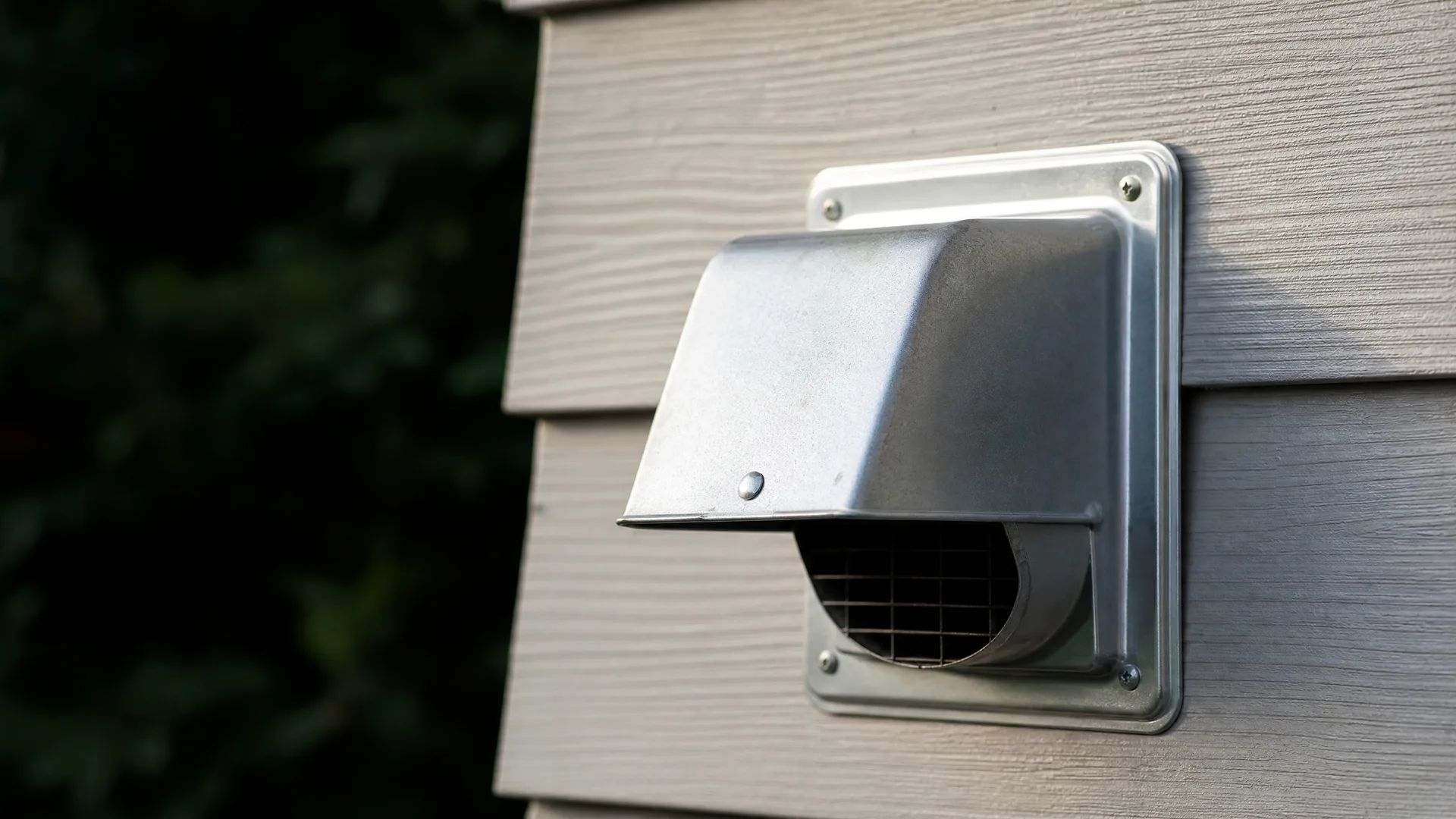
A metal hooded dryer vent with a screened opening screwed to gray lap siding, with dark blurred foliage in the background.

One request and it's handed off

Duct and vent cleaningSt. Tammany Parish, LA
Step 1 of 3

What kind of equipment?