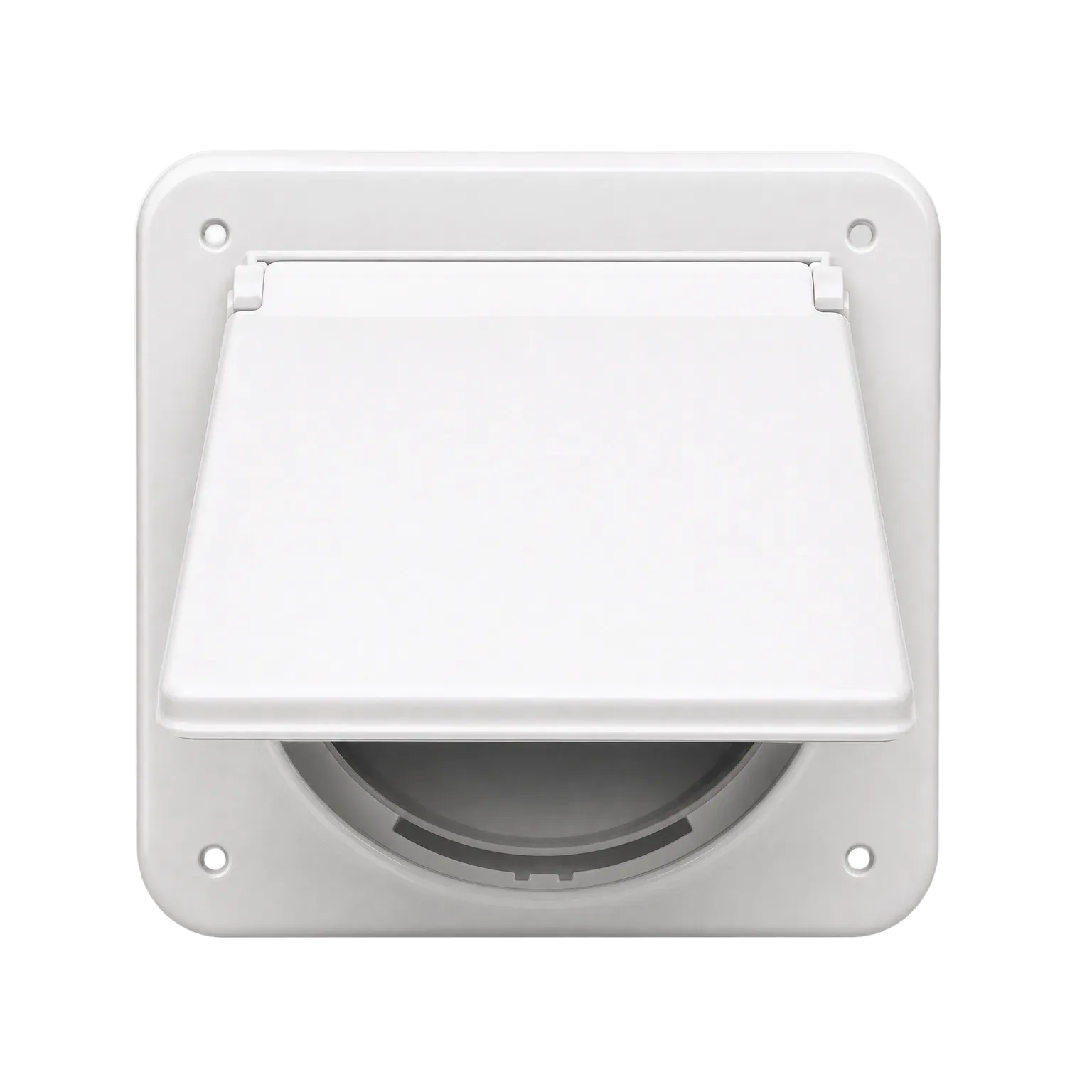
A clogged dryer vent shows up as clothes that take two or three cycles to dry when one used to do it. You might notice the top of the dryer feels hot to the touch, or the laundry room warms up while it runs. A burning smell, lint collecting around the drum seal, or the outside vent hood barely moving air when you hold your hand near it are all signs the vent is blocked rather than the dryer failing. Louisiana's humidity makes this worse, because damp air slows drying even more when lint is already choking the vent, so the dryer runs longer and hotter to do the same job. That extra heat and runtime is what leads to scorched clothes, a tripped thermal fuse, or in the worst case a vent fire. If any of this sounds like your dryer, the vent itself, not the machine, is usually the problem, and it needs to be cleared out before it gets worse.


Why the lint builds up faster here
Louisiana air carries more moisture than dry climates do, and wet lint sticks to the inside of a vent instead of blowing through it the way dry lint would. A dryer pushes moist air out with every load, and in a muggy house that air is already heavy before it reaches the duct. Over time the lint catches on screws, seams, and bends in the vent and builds a layer that traps even more behind it. A vent that would stay clear for months somewhere drier can narrow down faster here, which is why the drying time creeping up from one cycle to two is worth paying attention to instead of writing off as the dryer getting old.
What a blocked vent does to the dryer
The dryer's heating element has to run longer to get clothes dry when air can't move through the vent and carry the moisture out. That longer run time is what makes the top of the dryer hot and the lint trap area warm to the touch. It's also what drives up the electric bill, since the unit is drawing power for two or three cycles instead of one to finish the same load. A dryer built to run thirty or forty minutes a cycle isn't built to run that long twice over, load after load, and the heating element and drum bearings wear under that extra strain.


Lint doesn't stop a dryer vent all at once. The drum's screen catches most of it, but a fair amount rides the hot, wet air straight past the screen and into the duct. In a Louisiana laundry room, that air is already carrying more moisture than it would in a drier climate, so the lint that escapes the screen is damp and sticks to the inside of the metal instead of blowing out the other end. It builds wherever the vent run gives it a chance: at a bend, at a seam, at the flapper hood outside where the duct meets open air. That flapper is built to swing open under exhaust pressure and shut when the dryer stops. Enough wet lint around it and it stops swinging freely, so it sits half open even while the dryer runs. None of this slows the heating element, which fires on its own timer no matter what the exhaust is doing. So the dryer keeps making heat while less and less of the moist air actually leaves the house, and a two or three turn vent run gets there faster than a straight one does.
How a vent actually clogs
- Air has to travel the full length of the vent to push lint out, so a clog near the wall cap stops nearly as much airflow as one right at the dryer.
- The lint screen only catches what passes through the drum; the rest rides the exhaust air straight into the vent line.
- A flapper at the outside hood is supposed to swing open when the dryer runs and fall shut when it stops, and a buildup of wet lint can jam it halfway.
- Every bend in the vent run gives lint a place to catch, so a vent with two or three turns clogs faster than a straight shot to the wall.
- The dryer's heating element keeps firing on a timer regardless of whether the air is actually moving, so a blocked vent doesn't slow the heat, only the exhaust.
- Long vent runs lose airflow gradually over many loads, which is why the slowdown in drying time creeps up instead of happening all at once.




Stop chasing a dryer vent pro

Skip calling around for someone who cleans dryer vents.
No fee to send it, and nothing to sign.
It's almost eight on a Tuesday and you've run the towels twice already. The dryer's still going, ticking away in the laundry room, and the air in there is thick enough to fog a window. You open the door and the load is warm but not dry, not really, the way it used to come out after one cycle. You pile the damp towels on top of the dryer while you decide whether to run it again, and the room feels more like a Baton Rouge afternoon in July than a room with a door you can shut. You press a hand to the towels. Still heavy. Still smelling faintly of hot dust.



The drum tumbles clothes while the burner or element heats the air around them.
Hot, damp air pushes out of the drum into the exhaust duct.
Air carries lint along the vent toward the wall cap outside.
Wet lint sticks to the duct walls instead of blowing clear.
Power costs 12.52 cents per kilowatt-hour statewide
At 12.52 cents a kilowatt-hour, running a dryer two or three times for one load's worth of clothes adds up fast on your bill. A clean vent gets the moisture out in one cycle, so you're paying for the dry you actually needed.
EIA-861 2025 statewide residential average

A vent fire builds quietly
Lint is paper-dry fuel sitting a few feet from a heating element. Most dryer fires start in the vent, not the machine, and they start because airflow was already weak long before anyone noticed. A vent packed with lint traps heat that should be leaving the house, and that heat has nowhere to go but back toward the drum. You won't see this happening. You'll just keep running the dryer, load after load, while the margin between normal and dangerous gets thinner.

Finding someone who'll actually come
Dryer vent work isn't a job every handyman takes, and a lot of general cleaning outfits won't touch the inside of a wall or a roof cap. Left on your own, you're searching for someone who does this specific work, calling two or three of them, explaining the same symptoms each time, then waiting to see who calls back. Send the form here instead and that search is done. You'll have someone qualified lined up without spending another evening on the phone chasing it down yourself.

A dryer that needs two cycles is telling you something
A dryer that used to finish in one cycle and now needs two or three has a blocked vent. That's the whole answer. The heat, the smell, the hot metal top, all of it traces back to air that can't get out the way it should in Louisiana's damp air.
Once you send the form, you're done hunting. No scrolling through listings, no calling three companies to ask if they even do vent cleaning, no explaining the hot-top-and-burning-smell thing again to whoever picks up. Someone who does this work gets your situation and takes it from there.


Dryer Vent Cleaning
Send one request and you're done looking

- A local pro who cleans dryer vents gets in touch with you.
- Your dryer vent cleaning request goes to a local pro who does this work.

- After this form, you can stop searching for a dryer vent pro.
- One request and the search for a pro is handled.

- Answer a few questions instead of calling shop after shop.
- Explain the job once and skip repeating it on every call.

- Your dryer vent cleaning request goes to one local pro.
- Your request goes to one pro, not a list of companies.