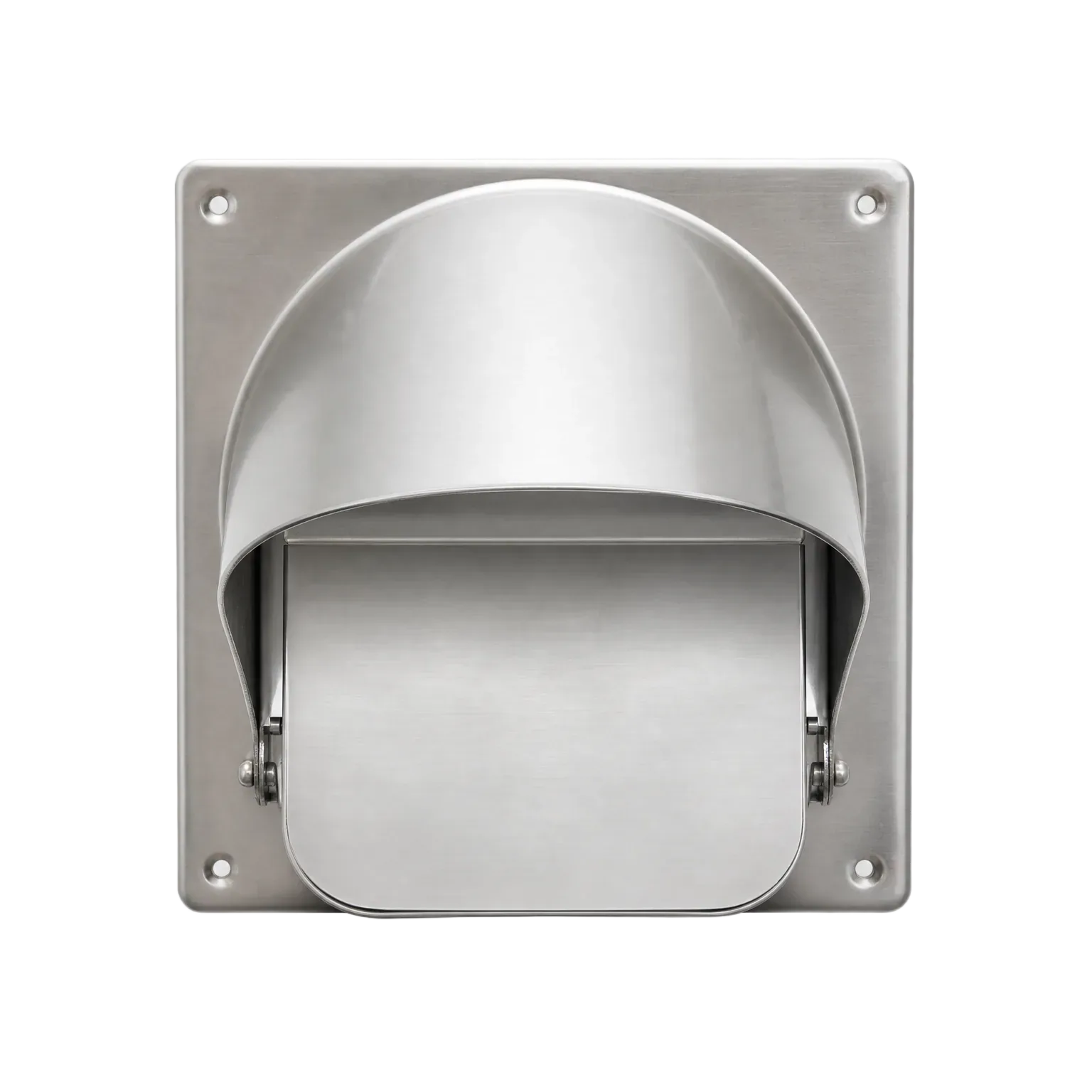
A dryer that takes two or three cycles to dry a load is almost always short on airflow. The vent run gets packed with lint over time, and in Kenner that lint holds onto moisture instead of drying out, because the air outside is humid most of the year. A clogged vent forces the dryer to push hot, wet air through a narrow opening instead of outside, so clothes come out damp and the drum stays hot to the touch after a full cycle. Check the outside hood while the dryer runs. If the flap barely moves or you feel only weak air coming out, that's the vent, not the dryer. Lint buildup like this also makes the unit run hotter than it should, which shortens the life of the heating element over time. Clearing the vent line restores airflow and usually brings drying time back to one normal cycle.


The trap screen catches what you can see, but lint keeps moving past it and sticks to the inside of the vent pipe itself, load after load. As that layer thickens, the dryer can't push hot, wet air out of the drum the way it needs to, so it just keeps tumbling and heating without getting the load dry. You can usually tell before you ever open the dryer up. Feel the back panel during a cycle. If it's running warmer than usual, that's the heat backing up instead of venting out. Step outside and check the vent hood while a load runs. It should be pushing air out steadily. If it's barely moving, the path is blocked somewhere between the drum and the outside wall. A straight, short run clears itself out more easily than one with several turns or a long stretch of pipe, since lint has fewer places to catch and settle. In Kenner, whatever collects near that outside hood doesn't dry out between loads either, because the air around it stays humid most of the year.
Where the Airflow Actually Stops
- Lint builds up inside the vent pipe itself, not just in the trap screen you clean before every load.
- A clogged vent traps hot, wet air inside the drum, so the dryer keeps running without actually finishing the job.
- The back of the dryer will often feel warmer than normal, and the vent hood outside may barely stir when a load runs.
- Clothes coming out hot but still damp is a sign the moisture has nowhere to go, not a sign the dryer itself is failing.
- A straight, short vent run clears lint on its own more easily than one with long stretches or several turns.
- The lint that collects near the vent hood outside stays damp in Kenner's humid air instead of drying out between loads.




Why is your dryer struggling in a Kenner house like yours?
2.42 people per household on average
A typical household here is 2.42 people, which usually means a dryer running almost daily. A slow vent gets worse fast under that kind of use.
Half the homes here were built by 1975
Half the homes in Jefferson Parish went up in 1975 or earlier, often with original duct runs. Older vent paths tend to be longer or bent, and that's where lint collects.
Power here costs 12.18 cents per kilowatt-hour
Electricity here runs 12.18 cents per kilowatt-hour. A clogged vent makes an electric dryer run extra cycles to finish one load, and that cost adds up on every bill.
ACS 2020-2024 · EIA-861 2025

Lint narrows the vent pipe until only a trickle of air gets through.
The drum fills with hot, moist air that has nowhere to go.
The dryer's thermostat senses the heat and keeps restarting the cycle.
Clothes stay damp, so you run the load again and again.
Clean the vent or keep running longer cycles
Clean the vent
- Airflow is restored, so heat and moisture leave the drum instead of building up inside it.
- A load that used to take two or three cycles should dry in one, since the dryer isn't fighting a blocked pipe.
- The dryer stops overheating and shutting off partway through, because the thermostat isn't tripping from trapped heat.
- A contractor who works on vents in Jefferson Parish homes regularly knows where lint tends to pack in first, whether that's a long run, a tight turn, or the hood at the outside wall.
- The vent keeps moving the muggy outside air through instead of trapping it against wet lint, which is what slows drying here more than elsewhere.
- Matching with one local contractor means a single visit and one point of contact, not several companies calling about the same job.
Keep running it as is
- Every load keeps taking two or three cycles, so the dryer runs far longer than it needs to for the same basket of clothes.
- Hot, wet air stays trapped in the drum each cycle, which is what keeps triggering the restarts instead of a finished dry.
- Lint packed into the vent holds onto moisture longer because the air in Kenner is humid most of the year, so the blockage doesn't dry out on its own.
- The back of the dryer runs hotter than it should, since the heat has nowhere to go but back into the machine.
- A dryer running almost daily, which is typical with a household this size, pushes more lint through a vent that's already struggling.
- The longer it goes uncleaned, the more the vent narrows, so cycles keep getting longer rather than staying the same.

It's almost nine on a Tuesday and you're still in the laundry room because the third cycle just ended and the towels on top of the dryer are still heavy and damp in your hands. The air in here is warmer than the rest of the house, thick the way it gets outside most of the year in Kenner. You press a towel to your cheek out of habit, checking, and set it back down on the pile. The dryer ticks as it cools. Tomorrow's load is already waiting in the hamper by the door, and you're doing the math on whether to run this one again tonight or leave it for morning and hope it's dry by the time anyone needs a towel.
Find a dryer vent cleaning pro in Jefferson Parish
You've already read why the vent gets like this and what it's doing to your dryer. The next question is who actually clears it. A vent cleaning job means getting the full length of that pipe clear, from the back of the dryer to the outside hood, not just vacuuming what's reachable from either end. That takes the right brushes and a sense of where lint tends to sit in a run like yours. A contractor who works on vents and dryers around Kenner all year has seen how fast they clog in this air and knows what a finished job should look like when it's done right. Your request goes to one local, licensed contractor matched to your situation, not out to a handful of companies competing for the job. That means one call back, from someone who already knows what they're walking into before they get there. The towels waiting on top of the dryer aren't going to dry themselves faster on their own.

What a clear vent should do
A dryer vent is just a straight path for hot air to leave the house. When it's clear, that air carries moisture out through the hood in a few minutes and the drum stays at a steady heat. There's no reason for a load to need a second or third cycle. The pipe itself doesn't dry anything, it only has to get out of the way of the air moving through it.

Checking the hood outside
You can check this yourself without opening anything up. Go outside while the dryer runs and find the vent hood, usually a small flap on the wall near where the dryer sits. Weak air barely moving the flap, or none at all, means the pipe is restricted somewhere between the dryer and that hood. Strong, steady airflow pushing it open means the blockage, if there is one, is somewhere else.
Why does my dryer vent hood flap stay shut even when it's running?
You stand outside and check the vent hood while the dryer runs a load, expecting to see the flap pushed open and feel warm air coming out. Instead it barely moves, or it stays shut. That usually means something is wrong well before the hood itself, somewhere back along the pipe.
The flap only opens as wide as the airflow pushing it
That flap is just a damper. It has no spring pulling it shut and no motor holding it closed. It swings open when air pressure from inside the vent pushes against it, and it falls back down the moment that pressure drops. If the flap barely lifts or doesn't move at all, the air isn't reaching it with enough force, which means something between the drum and the hood is blocking most of the flow. In a house like yours, where the vent run has had time to pack with lint, that's usually the reason. A clear pipe pushes enough air to hold that flap open for most of the cycle, not just flutter it.




2.42 people per household on average
At 2.42 people, most houses in Jefferson Parish run that dryer close to daily, maybe more with towels and sheets mixed in. That kind of use packs lint into the vent faster than a lighter household would, so the slowdown shows up sooner and keeps getting worse until the pipe is cleared.
ACS 2020-2024

A dryer that needs two cycles has a blocked vent, not a broken dryer
Long dry times in a Kenner house come down to airflow. The vent gets packed with lint, the moisture that humid air carries in stays trapped in the drum, and the dryer keeps restarting a cycle that should have ended an hour ago. Clearing the pipe fixes it. Nothing about the dryer itself needs to change.
A contractor who clears vents in this area knows which part of the run tends to pack first and how a hood flap behaves when it's really blocked versus just stiff. Getting matched with one means someone local looks at your specific setup, not a general callout. You'll hear from that one contractor directly, so you're dealing with a single call, not several companies working the same job.


The right pro for this job
Only one pro gets your request, so you hear from one company.