

The vent clear
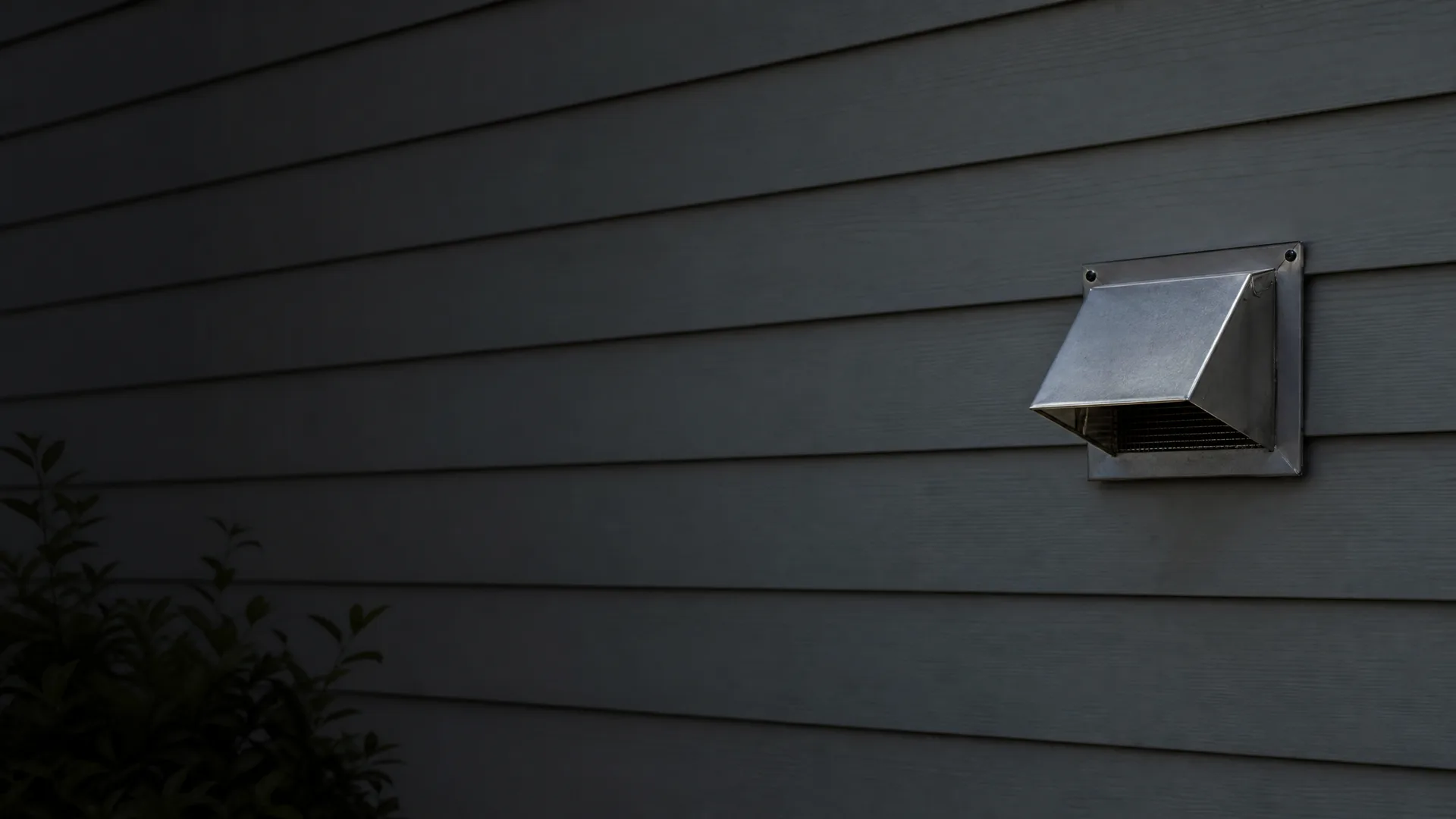
This is what a clear exhaust vent cover looks like from outside. Air moves through it freely, so the hot, damp air from every load goes straight outdoors, and the flap shuts again once the cycle ends.
One request and the search for a pro is handled.
Let a pro reach outYes. A clogged dryer vent is one of the more common causes of house fires, and the risk is real in Kenner. Lint is what burns. When it builds up inside the vent instead of blowing outside, it sits right next to the heating element every time you run a load. Summers here are long and muggy, and a lot of Kenner homes end up running the dryer more to make up for clothes that would otherwise take forever to air out, which means more heat cycling through a vent that may already be partly blocked. A clogged vent also traps heat, so the dryer runs hotter and longer to dry the same load, which stresses the heating element and raises the odds of it igniting the lint sitting around it. If your dryer takes two cycles to dry a load that used to take one, or the outside vent flap barely moves when it's running, that is lint built up where you can't see it.






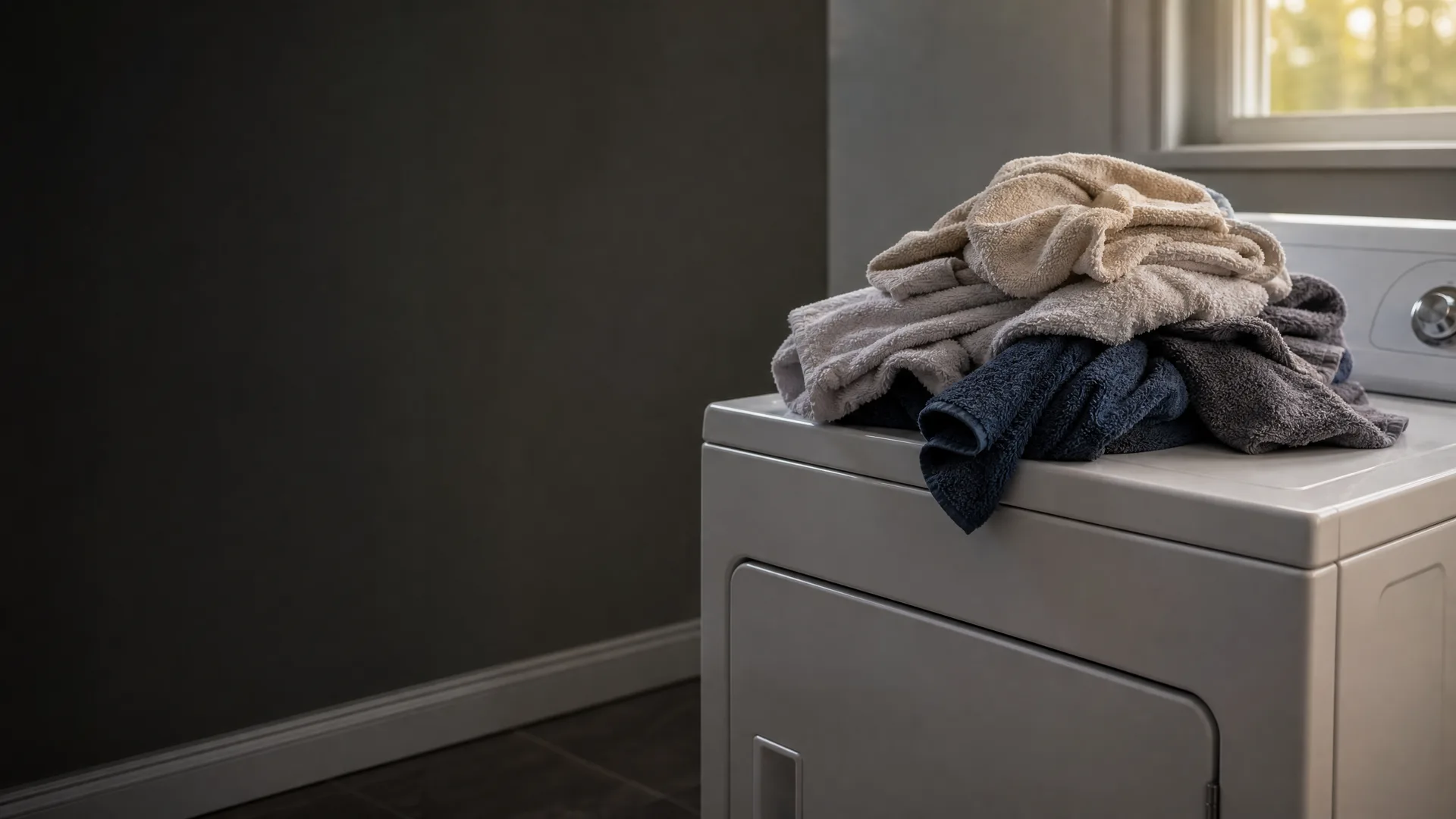
It's almost nine on a Tuesday and you're still in your work clothes. You load the third towel load of the night and hit start, same as always. Twenty minutes later you check and they're still damp, so you run it again. By the time you give up and pull them out warm and heavy instead of dry, you notice the laundry room feels warmer than it should, almost like the dryer's been breathing on the walls. You leave the towels piled on top of the machine to deal with in the morning and head to bed, the dryer still ticking as it cools.
That's usually the first sign you notice. Towels or jeans come out warm but not dry, so you run the cycle again, and the dryer itself feels hot on top or along the front panel when it's usually not. The room gets warmer than it should, and you might catch a faint burning smell, like dust warming up, especially a few minutes into the cycle. Check the outside vent hood while a load is running. If the flap barely moves or no air is coming out at all, lint has built up somewhere between the drum and the outside wall. That buildup sits near the heating element every time you run the dryer, and it's the reason a vent like this needs clearing out before it's holding in more than it should.


You already know the signs by now, the long dry times, the hot panel, the musty smell when the cycle ends. What you don't have is time to deal with it. Finding someone to clean a dryer vent in Kenner usually means a string of calls, voicemails, explaining the same thing three or four times, then sitting with a stack of quotes trying to guess who actually knows vent work versus who just picked up the phone. That's the part this skips. Send the request once and it's off your plate. Jefferson Parish humidity makes a slow dryer feel worse than it is, since nothing dries fast in the air here anyway, which makes it easy to blame the weather instead of the lint sitting in your line. The fire risk doesn't wait for a convenient week. Getting it looked at now costs you five minutes, not another month of running towels through twice.

This is what a clear exhaust vent cover looks like from outside. Air moves through it freely, so the hot, damp air from every load goes straight outdoors, and the flap shuts again once the cycle ends.

This hood tells a different story. The mesh is dark with lint and grime, and air can barely push past it. Heat backs up into the line instead of venting out, right where the dryer runs hottest.
2.42 people per household on average
Jefferson Parish households average 2.42 people, which means more loads through the same vent every week.
Half the homes here were built by 1975
Half the homes in Jefferson Parish were built in 1975 or earlier, so the vent run behind your wall may be older than you think.
Power here costs 12.18 cents per kilowatt-hour
Power here runs 12.18 cents per kilowatt-hour, and a clogged vent makes the dryer work longer to get clothes dry.
ACS 2020-2024 · EIA-861 2025


A clogged dryer vent in Kenner is a fire risk, not just an inconvenience. Lint builds up next to the heating element, and once the vent can't push air outside anymore, that heat has nowhere to go. The signs show up before the danger does: a load that takes two or three tries to dry, a front panel that's hot to the touch, a musty smell when the cycle ends. If your house was built in 1975 or earlier, the vent run behind the wall may be longer than in a newer home, which gives lint more distance to collect along the way. None of that gets fixed by running the dryer again or cleaning the lint trap more often. The line itself needs to be cleared, start to finish, so air moves all the way outside and the flap closes the way it should after every load.
What usually slows people down isn't the job itself, it's finding someone to do it. Looking up contractors, calling around to see who's available, explaining the same problem three or four times, then sitting with a stack of quotes trying to figure out which one makes sense. That's the part that disappears once you send the form. You're not left to sort through who's legitimate or who'll show up. Someone follows up, and the vent gets handled. The dryer goes back to drying a load in one cycle, the way it's supposed to.
Answer a few questions about the dryer vent cleaning and skip the search.