Louisiana HVAC Pros

Signs your ducts need cleaning in Lafayette, LA

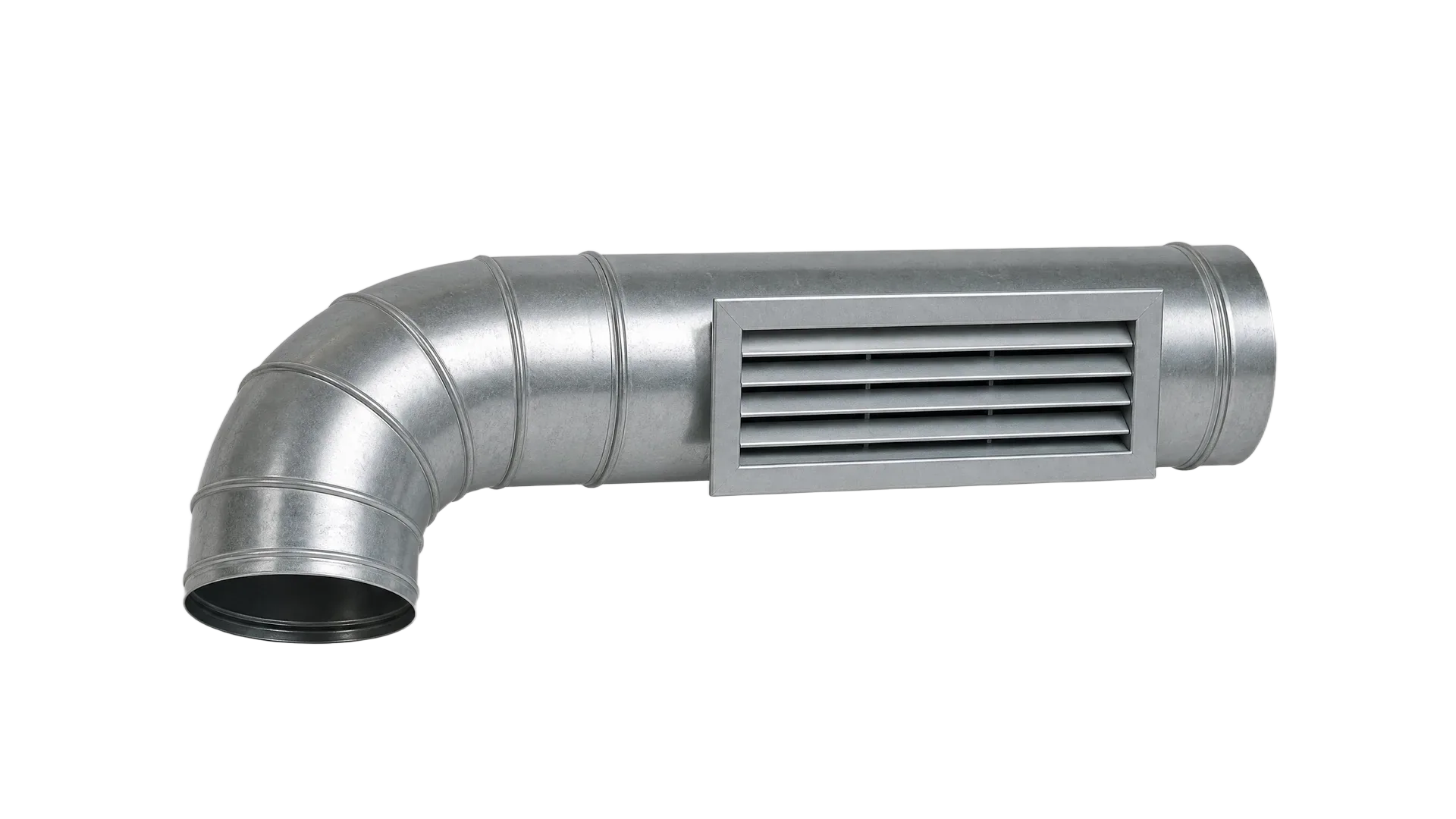
A galvanized steel round duct section with a 90-degree elbow and a rectangular louvered grille on its straight run, shown against a plain gray background.
Skip the calls

Dust coming out of your vents when the air kicks on is the clearest sign. You might also notice a musty smell that's always there, even after the house has been cleaned, or rooms that stay dusty no matter how often you wipe them down. In Lafayette, the long muggy summers push air conditioning hard for months at a time, and that steady airflow moves whatever is sitting in the ducts straight into your living room. If anyone in the house has started sneezing more or dealing with stuffier sinuses indoors than out, that points the same direction. Registers with visible dust buildup around the edges, or a system that seems to be working harder than it used to, are also worth paying attention to. None of these on their own prove the ducts are the problem, but together they usually mean air has been moving through dirty ductwork for a while, and it's worth having someone look at what's actually built up in there.

Power here costs 11.87 cents per kilowatt-hour

At 11.87 cents per kilowatt-hour, running your AC all summer here doesn't come cheap. Dirty ducts make the system push air through clogged passages to cool the same rooms, so you're paying that rate for air that never reaches you clean.

EIA-861 2025

Dust you can see and wipe away

Surface dust on furniture and floors is normal in any house. It builds up between cleanings and a quick wipe-down handles it. That's just everyday living, not a sign of anything wrong with your ducts. If the dust goes away when you clean and stays away for a while, your system is probably doing its job. What matters is whether the dust comes back fast, right after you've just cleaned, or whether it's coming from the vents themselves instead of settling naturally around the room.


Dust that returns right after cleaning

If you dust a shelf and it's gray again in a day or two, that's not normal buildup. That's your duct system redistributing dust every time the blower runs. Same with vents that leave a dark ring on the wall or ceiling around them, or registers that puff out visible dust when the air kicks on. Those are signs the ducts themselves are holding onto debris and pushing it back into the rooms instead of just carrying air through. That's worth having someone look at in Lafayette, especially with the AC running most of the year.

Why does this matter so much in Lafayette?

  • Half the homes here were built by 1988

    Half the homes in Lafayette Parish were built in 1988 or earlier, which means half the duct systems have had decades to collect dust nobody has seen.

  • Heat runs November through March

    Cooling runs April through October here, seven months of air pushed through the same ducts, so whatever is sitting in them moves through your house most of the year.

  • Cooling runs April through October

    Heat only runs November through March, five months, so for most of the year it's the AC ducts doing the work and carrying whatever has built up inside.

ACS 2020-2024 · NOAA nClimDiv 1991-2020

What's actually happening inside the ducts

  • Mold or must in the air handler usually means moisture built up in the ductwork and is feeding on the dust inside.
  • Rodent droppings or nesting material in the vents point to a gap where pests got into the duct run.
  • Registers that whistle or rattle can mean loose or disconnected duct sections are dumping conditioned air into the attic instead of the room.
  • A closed-up house that's sat vacant or had work done on it can draw drywall dust and debris straight into the return and through the whole system.
  • Uneven cooling between rooms, even after a tune-up, often traces back to a blocked branch line rather than the unit itself.
  • Pet hair and dander packed around the supply registers signal buildup further back in the duct that routine filter changes never reach.

Your duct system is a closed loop. Air leaves the unit, travels through metal or flex runs behind your walls and above your ceiling, and comes back through the return. Anything that gets into that loop stays in it until it's pulled out by hand. Moisture is the usual starting point. If condensation collects anywhere along the line, mold takes hold on the dust that's already sitting there, and the air handler starts circulating that smell through the house every time it runs. A gap in the duct run, where a joint has come loose or a section was never sealed right, works two ways. It lets conditioned air escape into the attic before it reaches the room, which is why some registers whistle or push weaker air than others. And it lets things in. Rodents find those same gaps, and so does drywall dust if the house has had work done or sat closed up for a while, pulling straight into the return. None of this shows up as dust on the register face. It builds further back, in the branch lines and at the joints, which is why pet hair packed around a vent or one room that never cools right even after the unit's been serviced usually traces back to the ducts themselves, not the equipment pushing air through them.

Empty basement with bare concrete walls and floor, a small window at left, and exposed wood joists with galvanized sheet metal ductwork and pipes overhead.
Clean metal ducts like these move air without adding anything to it, which is what every run in your house should look like.
Dusty sheet-metal HVAC ducts with a rectangular vent register run beneath wooden floor joists above an empty concrete-walled basement.
Ducts caked in dust like this are feeding that grime into every room they serve, and a cleaning is what gets them back to bare metal.

Clean Now or Clean Later

Clean now, on your own schedule

  • You pick the week, and a contractor works around your calendar instead of around an emergency.
  • The system gets inspected while it's still moving air fine, so any gaps in the duct run get found before they cause a bigger problem.
  • You can ask questions about what's in there and get a straight answer, since nothing is rushed.
  • Registers come apart, get vacuumed out, and go back on clean, with no guesswork about what's hiding behind them.
  • A contractor who works on homes around Lafayette all summer knows what usually turns up in ducts here, from humidity buildup to pest entry points.

Wait until something forces it

  • A musty smell or a rattling register tends to get worse before anyone makes the call, not better.
  • Dust that's already blowing out of the vents has had time to settle deep into the duct run, not just near the registers.
  • If mold has taken hold on moisture in the air handler, cleaning the ducts alone may not be the only thing that needs attention.
  • Waiting through another full summer of AC use means seven more months of air passing through whatever's built up in there.
  • A problem that started as dust can turn into something that needs more than a cleaning, like sealing a gap pests got in through.
Galvanized sheet metal HVAC ductwork with a vent grille running along a wooden joist ceiling above a bare concrete wall.
Before you get your ductwork cleaning
A basement with a gray furnace on a concrete pad connected to large sheet-metal ducts running along an exposed wood joist ceiling, with PVC pipes and plastic sheeting on the walls.
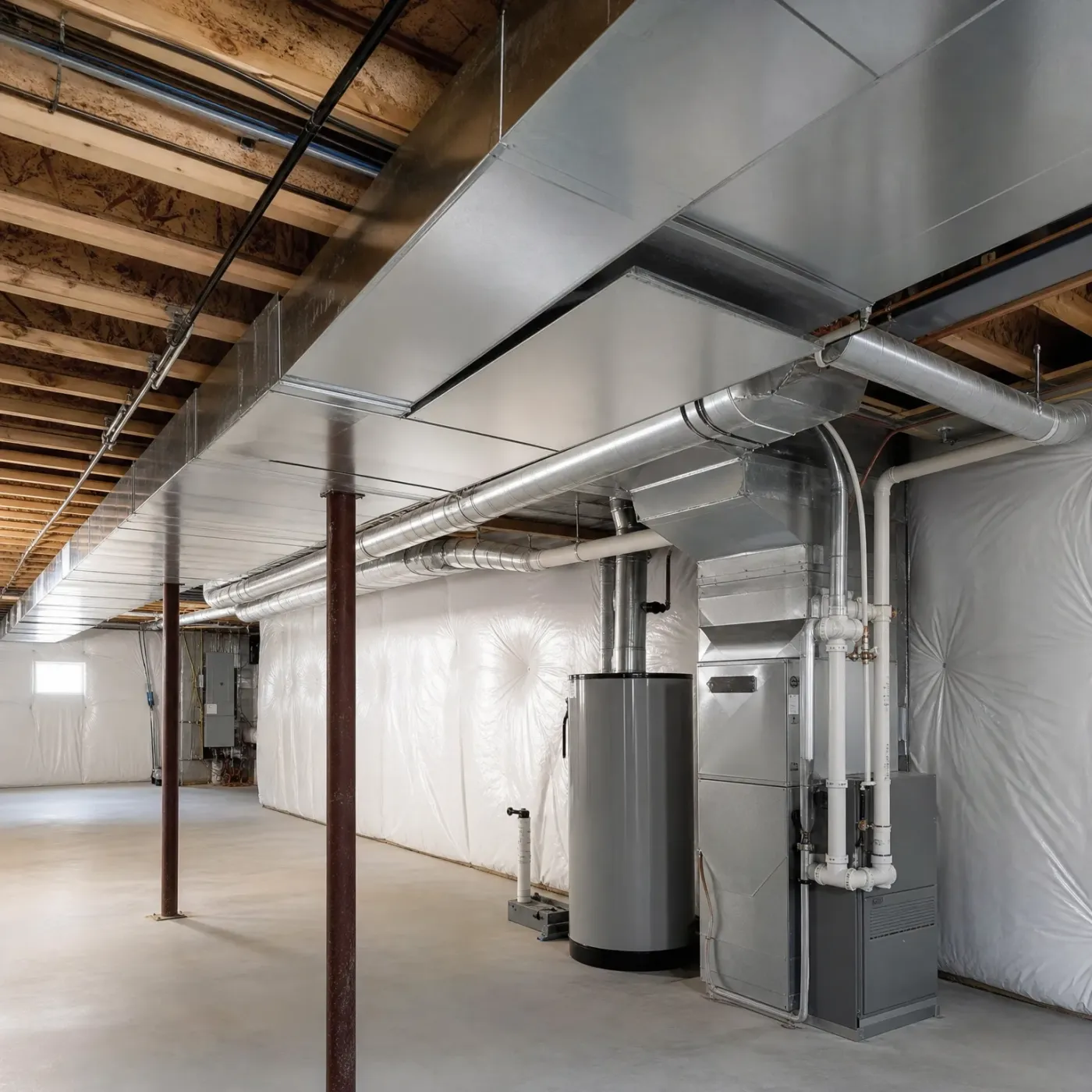
After you get your ductwork cleaning
Unfinished basement with concrete floor, plastic-sheeted insulated walls, exposed wood joists, metal support posts, sheet-metal supply ducts, a cylindrical water heater and a furnace with PVC piping.

Skip the calls to every shop

A licensed pro who works in Lafayette Parish gets your request.

Fill out one short form instead of calling around.

Get one local pro

It costs nothing to send, and you don't have to hire anyone.

Why does your house feel dustier than it should?

Walk through your house an hour after the AC cycles off. Run your finger along a shelf you cleaned yesterday. If it's already gritty, that dust is coming from somewhere, and in most houses it's riding the air out of the vents. Check the return grille too. A heavy, matted layer there means the same buildup is sitting in the runs you can't see. Some households notice it more as a smell, a closed-up, damp note in bedrooms that stay shut most of the day. Others notice someone in the house is stuffier at night than they used to be. None of this means the air itself is unsafe, but it does mean the system is moving dust through rooms you then have to clean twice.

Unfinished basement with galvanized sheet-metal rectangular and round ductwork running along a wood-joist ceiling, two steel support columns, a small window, and a furnace unit against the far right wall.

Ducts moving clean air

This is what a duct run should look like: metal joints tight, no dust clinging to the inside edges, air moving straight through to the register. A system like this isn't adding anything to the air passing through it on the way to your rooms.

An unfinished basement with bare concrete walls and floor, showing exposed wooden floor joists, pipes, wiring, and metal HVAC ducts with a vent grille overhead.

Ducts in need of cleaning

Dust builds along the seams and settles in the low spots of every branch line, and from here it rides the airflow straight into your rooms. The longer it sits, the more a run like this feeds what's landing on your furniture.

How does a duct cleaning actually work?

You've decided the dust and the smell are worth doing something about, but it helps to know what actually happens once a contractor shows up. It's your house, and a crew is going to open up your vents and run equipment through your walls and ceiling for a few hours. Knowing the order of operations tells you what to expect and what counts as a job done right.

A contractor pressurizes the ducts and brushes each run before vacuuming it out

A contractor seals off each register but one, hooks a vacuum to that opening, and puts the whole duct system under negative pressure. Then a brush or an air whip runs through each branch, knocking loose the dust caked on the inside walls so the vacuum pulls it out instead of it settling back down somewhere else in the run. The supply side and the return side both get this treatment, and the air handler and coil get cleaned separately since they sit outside the ductwork itself. Registers come off and get wiped down before they go back on. Done this way, nothing gets pushed further into the system, it gets pulled out of it.

  1. A contractor seals off your registers and connects a vacuum to the main trunk line.

  2. Negative pressure pulls loose dust and debris toward the vacuum collection point.

  3. A brush or air whip knocks dust loose from inside each duct run.

  4. The vacuum draws that loosened dust out before it resettles in the ducts.

A smiling man with dark wavy hair and a short beard, wearing a navy crewneck sweater, sits at a candlelit dinner table with a bowl of food, wine glass and a lamp and framed art behind him.
A woman with wavy brown hair sits on a beige couch with her eyes closed and a slight smile, a knit blanket over her lap and a closed dark-covered book resting on it, with a lit lamp and plant in the dim background.
A closed laptop and a ceramic mug on a wooden table in front of a kitchen with green cabinets, marble counter, black pot, cutting board, wooden bowl, and a white vase with greenery.

Dust in the air that keeps coming back means the ducts need cleaning

You've gone through the signs. Dust out of the vents, a musty smell that doesn't lift, registers that whistle, rooms that won't stay clean no matter how often you go after them. If more than one of these sounds like your house, the ducts are the reason, not the cleaning habits of whoever lives there.

Finding someone to look at this usually means a string of calls, explaining the same thing to each one, then sitting with a stack of quotes trying to tell them apart. Here it's one contractor, local to Lafayette, who works on duct systems in homes like yours all summer long and knows what decades of dust buildup actually looks like. You reach out once and the rest is on them.

Interior corner of a living room with a beige upholstered armchair holding a textured pillow and throw, a eucalyptus arrangement in a ceramic vase on a wooden table in the foreground, a blurred glass-front cabinet behind, and a potted plant on a sunlit window sill.
A smiling woman with long brown hair in a dark sweater sits at a light stone kitchen counter with a glass of red wine, with a dimly lit living room in the background.
A smiling woman with dark hair pinned up, wearing a beige sweater, sits looking off to the side in a kitchen with a glass of red wine in front of her, a stainless steel refrigerator, marble counter and a potted plant behind her.
A smiling woman with dark shoulder-length hair in a navy sweater sits at a kitchen counter with a glass of red wine, with a lit living room and pendant lights behind her.
A woman in a dark gray sweater laughs while seated at a white marble counter with a glass of red wine, with a blurred living and dining room behind her.

Ductwork Cleaning

Skip calling around

Your request stays with one local pro.

A black-framed smartphone standing upright against a plain light gray background, its screen filled with solid green.
Duct and vent cleaningDucts or ventsLafayette Parish, LA
Step 1 of 2

What ZIP code is the job in?