
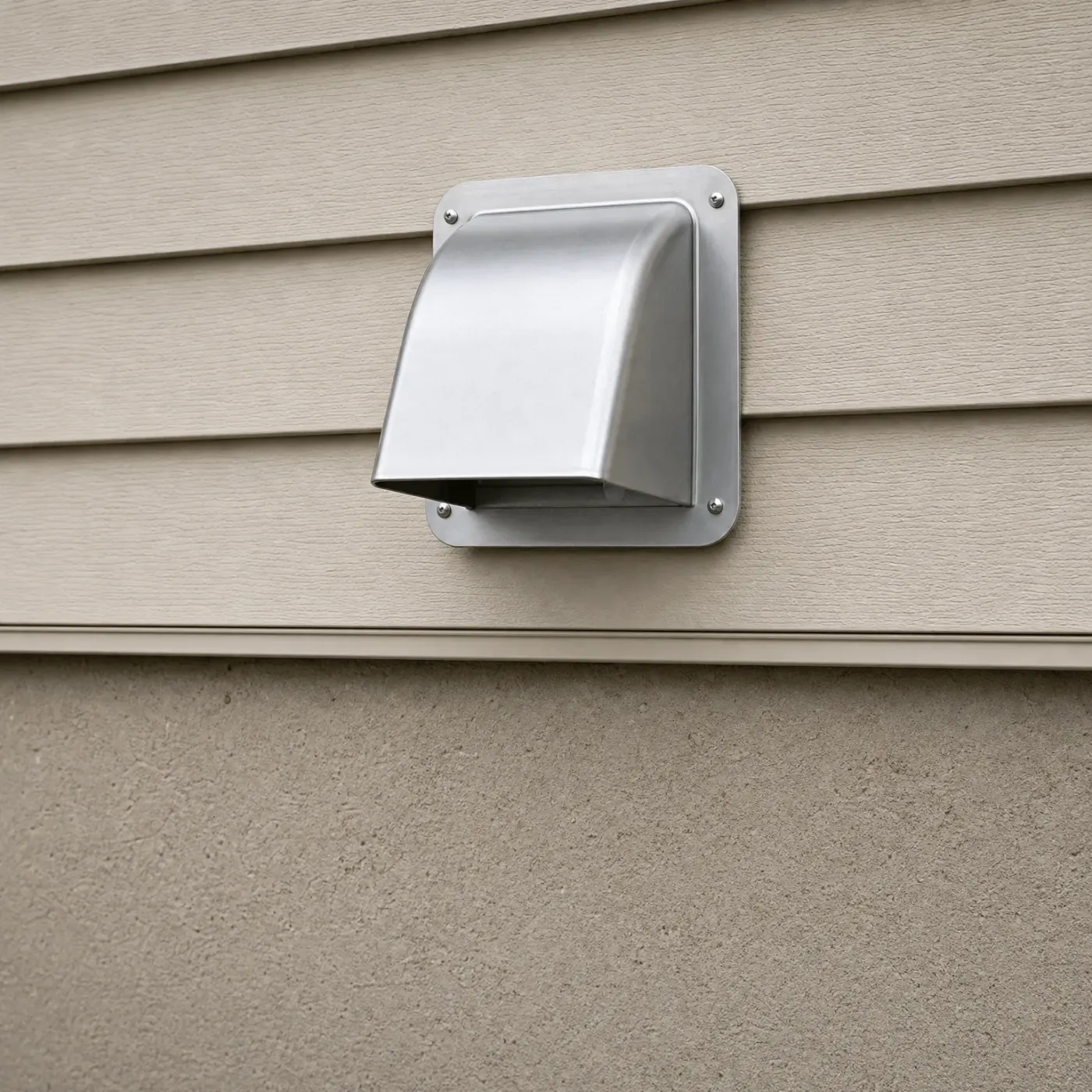
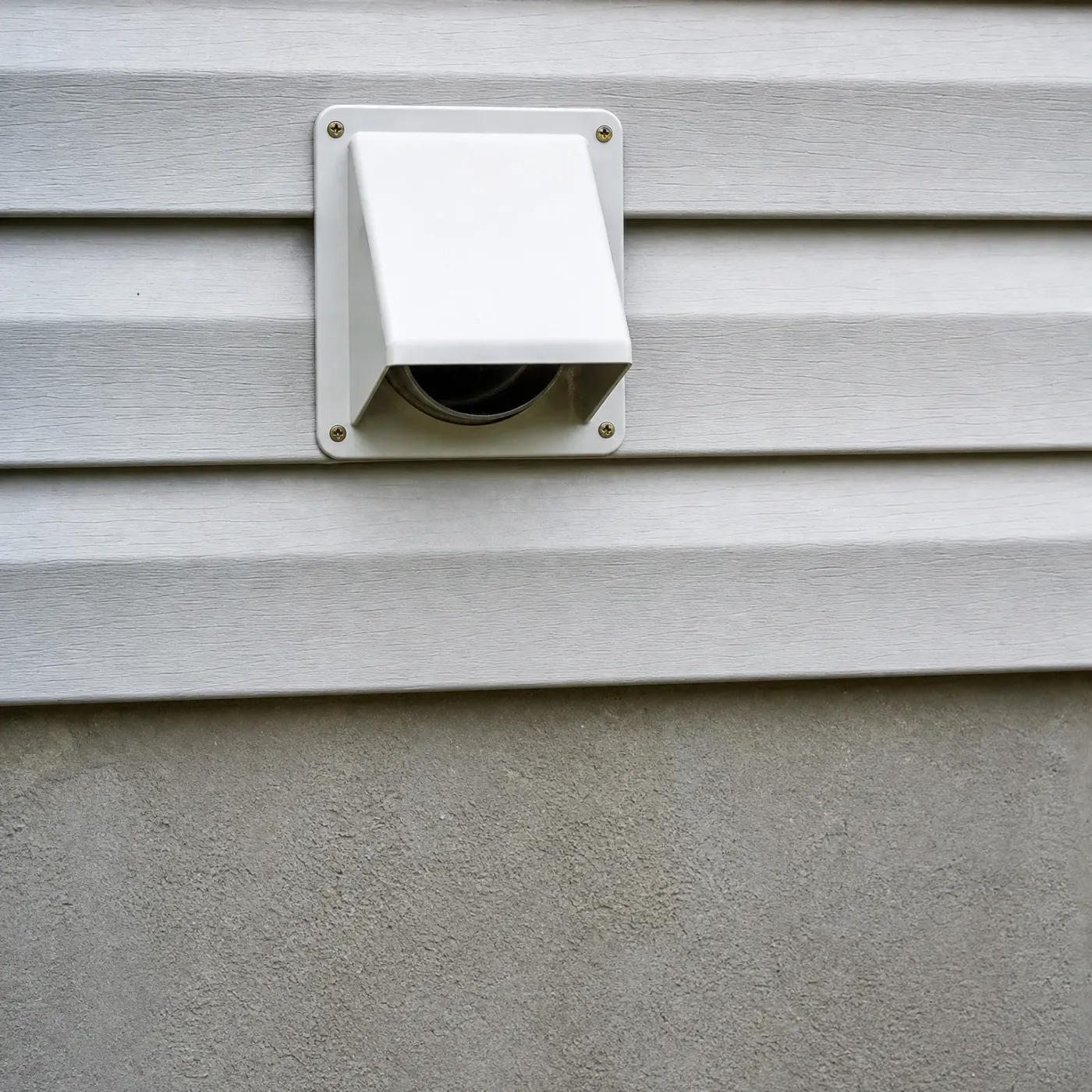
Vent clear and sealed
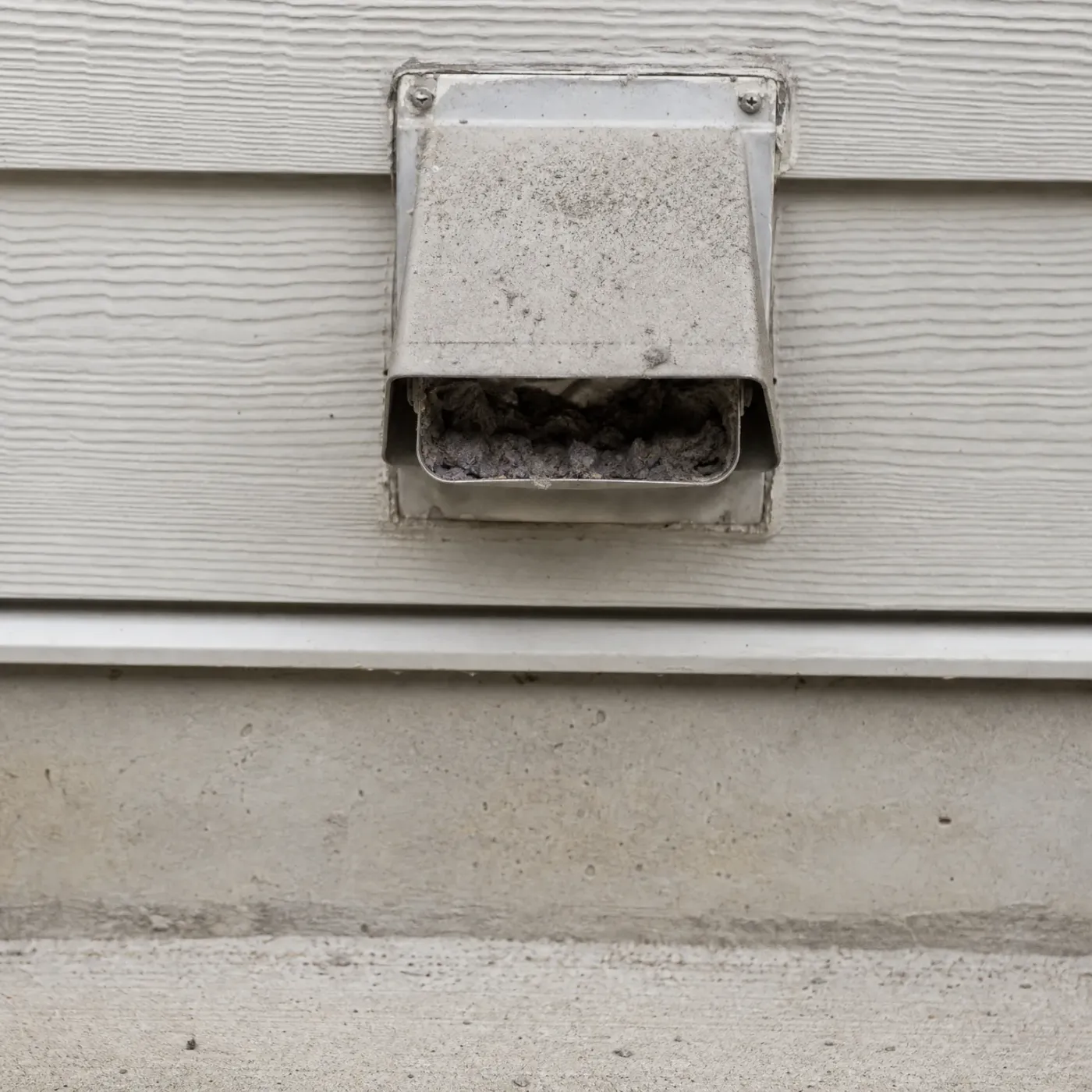
This is what a clear vent looks like. Air pushes the flap open when the dryer runs, then it closes. Nothing nests behind it, nothing blocks the opening, and the moist air your dryer makes goes straight outside where it belongs.
One request and the search for a pro is handled.
Hand off the searchA bird in your dryer vent usually means a mourning dove or a sparrow built a nest right at the hood, where the flap keeps warm air from blowing all the way out. Lafayette has mild winters, so birds nest early and often use any vent they can reach year round, not just in spring. Once twigs and grass pack into the duct, lint has something to catch on, and that mix is a fire risk every time the dryer runs. You may notice the dryer taking longer to dry, a burning or musty smell, or scratching and chirping from the wall when the house is quiet. Running the dryer with a nest in the line will not clear it, and reaching into the vent yourself risks hurting the birds or pushing the nest in deeper. The vent needs to come apart, the nest removed, and the hood checked so it closes the way it should.




This is what a clear vent looks like. Air pushes the flap open when the dryer runs, then it closes. Nothing nests behind it, nothing blocks the opening, and the moist air your dryer makes goes straight outside where it belongs.
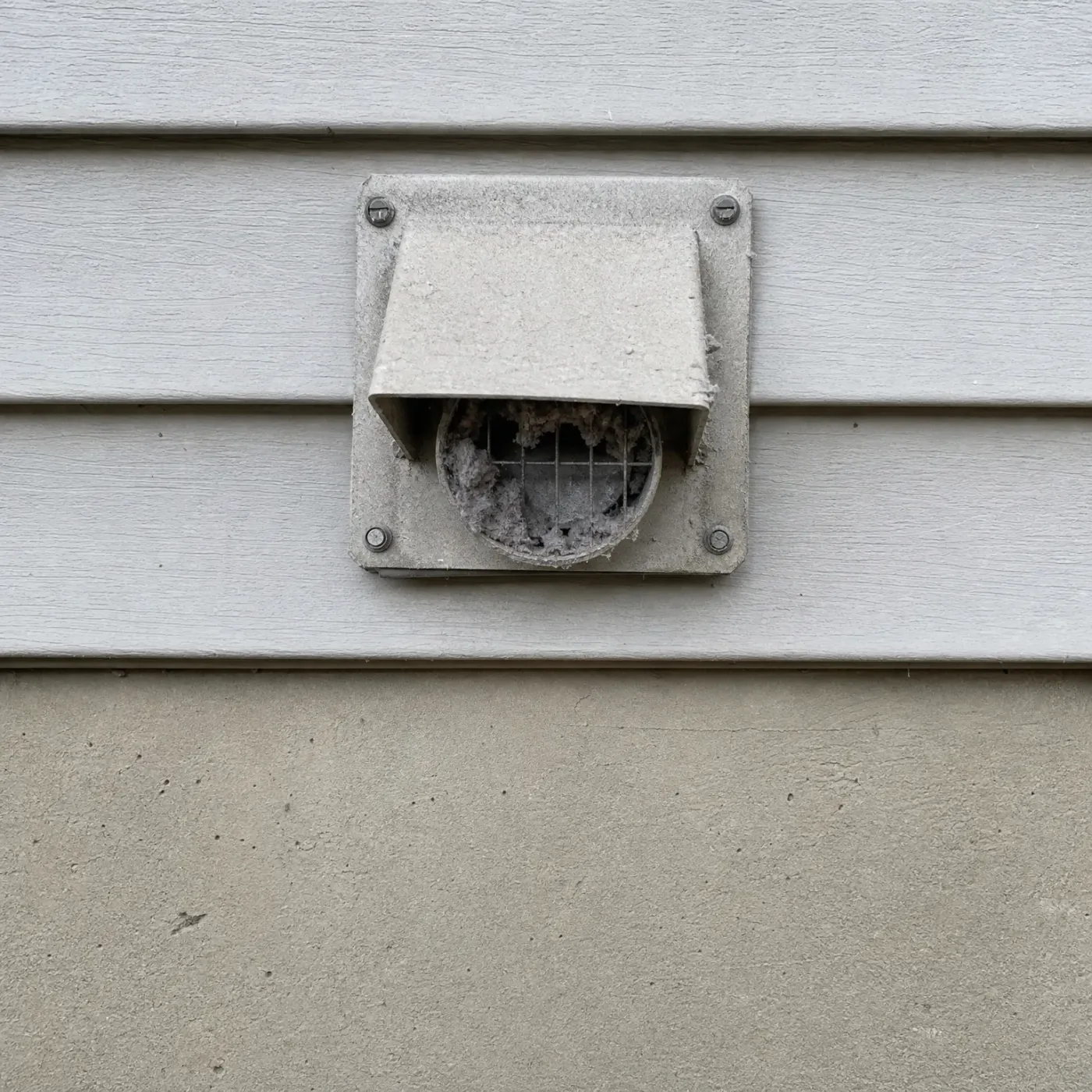
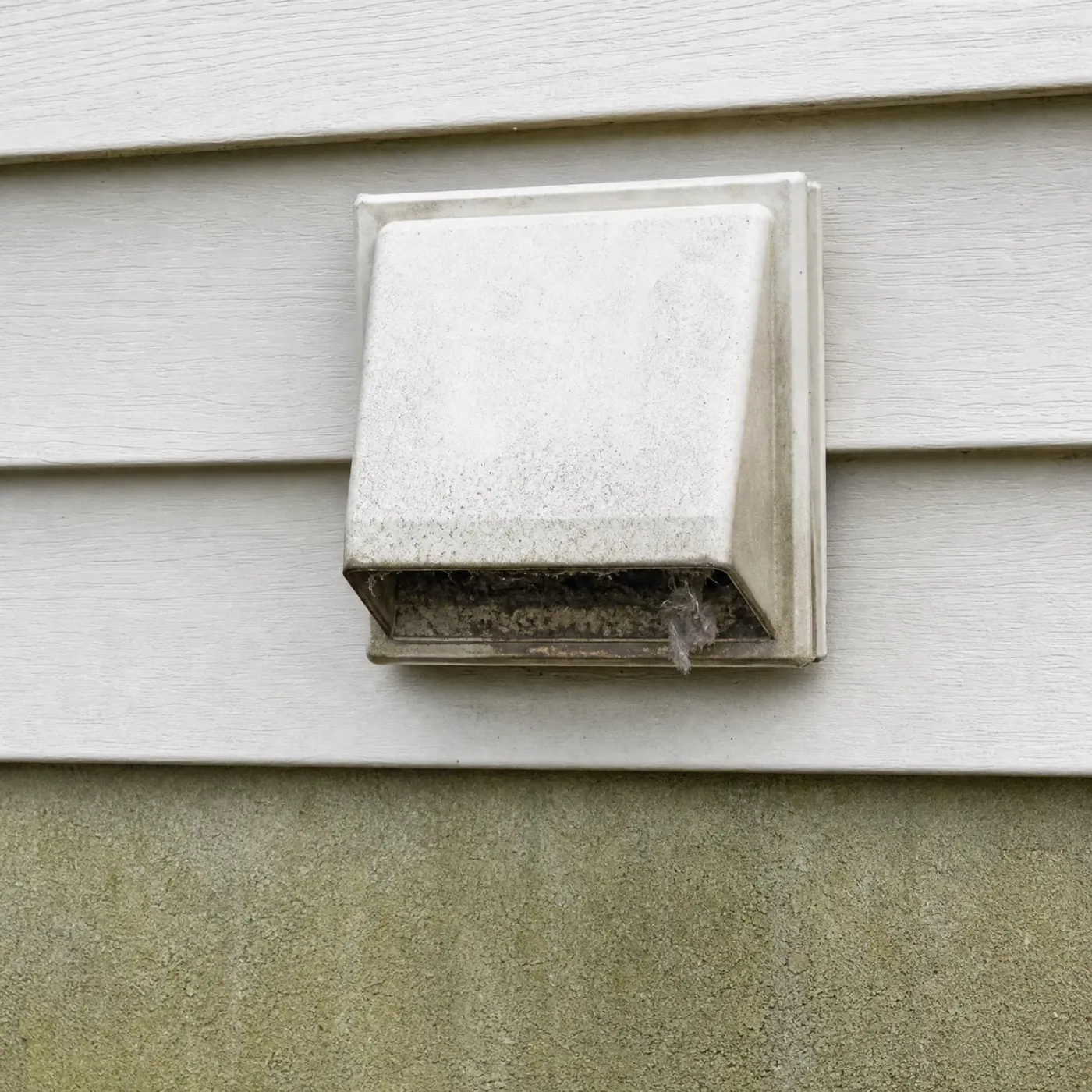
This is what a bird-blocked vent looks like from outside. The screen is packed with lint because the nest behind it is catching everything the dryer pushes out. That buildup is what a cleaning removes, nest, lint and all, so the flap can move again.
2.43 people per household on average
With 2.43 people in the average Lafayette Parish household, that dryer runs most days of the week, and a vent used that often rarely stays clear of nests on its own.
Half the homes here were built by 1988
Half the homes in Lafayette Parish were built in 1988 or earlier, and older hoods and flaps wear loose, giving a bird an easier gap to build in.
Power here costs 11.87 cents per kilowatt-hour
At 11.87 cents per kilowatt-hour, power here is cheap, but a blocked vent still makes the dryer run longer and hotter to finish the same load.
ACS 2020-2024 · EIA-861 2025
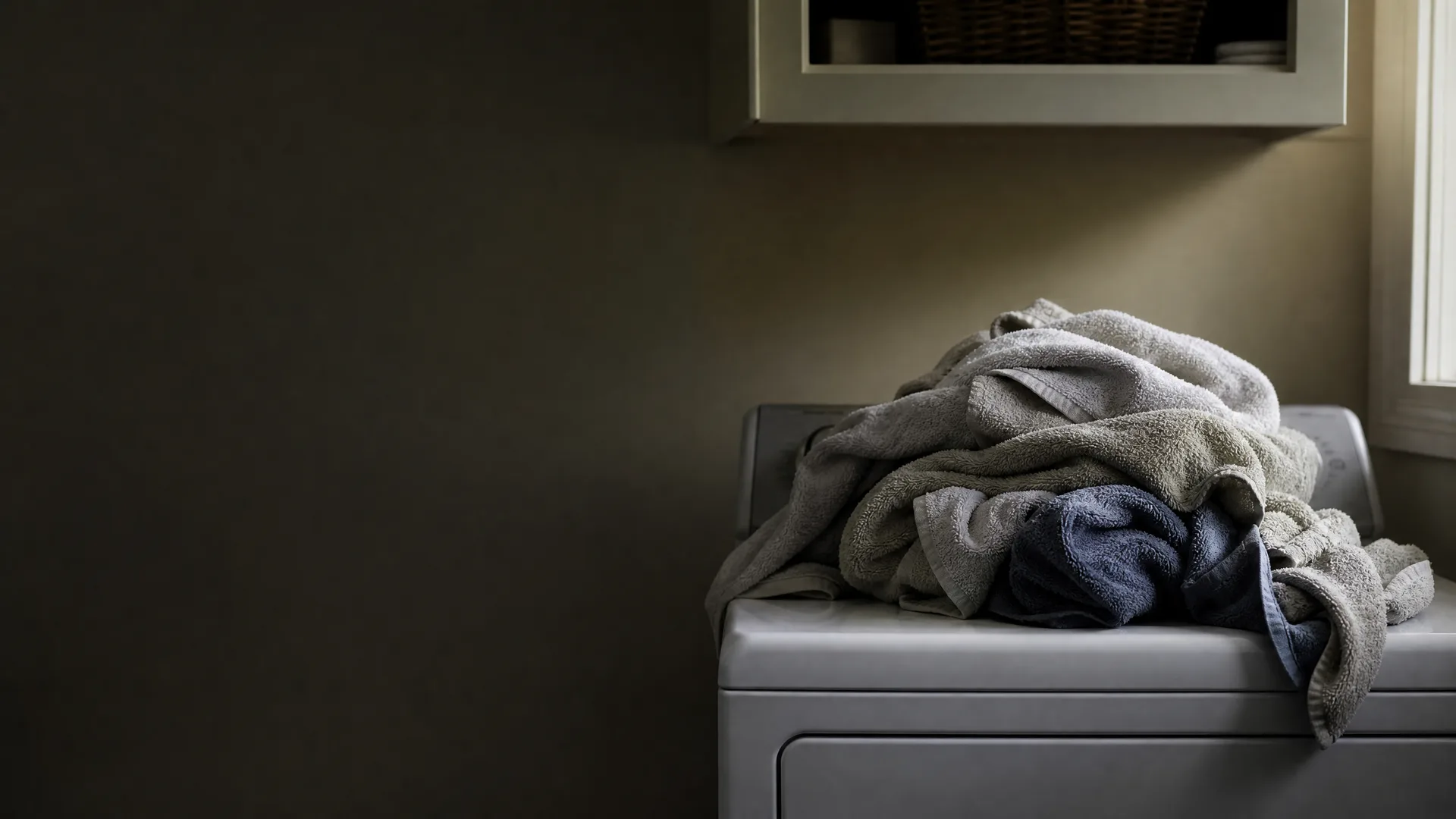
It's almost nine on a Tuesday and you've got a load of towels that's been through the dryer twice now and they're still damp. You open the door and the drum is warm but the towels aren't drying, just heavy and a little sour-smelling. You pile them on top of the dryer and crouch down to check the vent hose where it meets the wall. That's when you hear it, a faint scratching behind the wall, steady, not loud. You stand there a second, listening, towels still in your hands, trying to decide if you actually heard something or if it's just the house settling around you.
Skip searching for someone who cleans dryer vents in Lafayette Parish.
No fee to send it, and nothing to sign.
The hood is opened to check the vent flap and the nest behind it
The nest, sticks, and feathers are pulled out by hand
Lint packed behind the nest is cleared from the full duct run
A guard is fitted over the hood so the flap still swings free
A load that used to take forty minutes now takes an hour and a half, and the towels come out warm but still damp. Run the dryer and go outside to the vent hood. If you don't feel much air moving against your hand, or you hear a soft scratching or chirping from inside the duct, that's the nest working against the airflow. You might catch a musty, feathery smell near the hood too. The moist air the dryer is supposed to push outside is backing up into the duct instead, and the lint that air carries is settling behind the nest instead of blowing clear. Left alone, that packed lint is what raises the fire risk in a vent, not the nest itself.


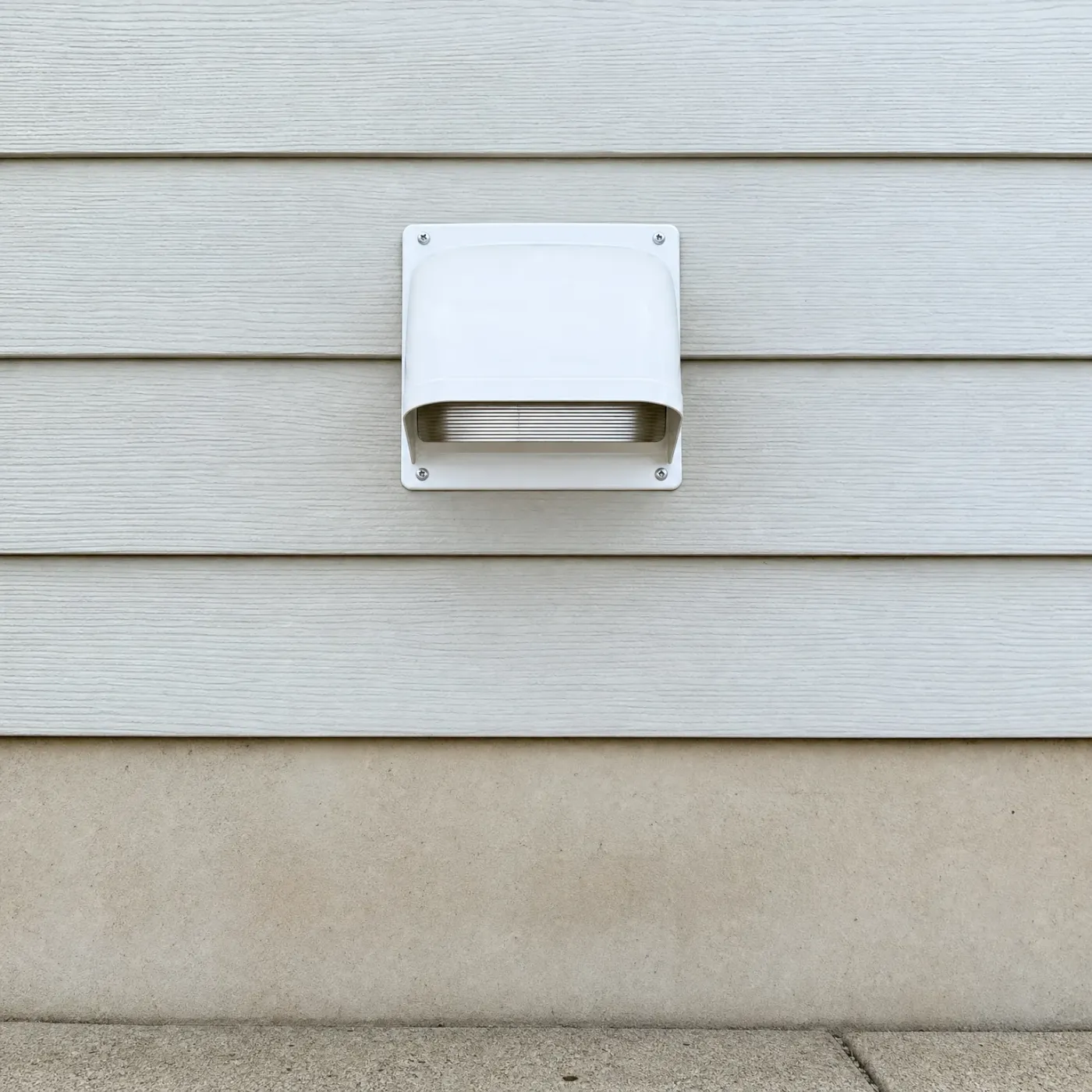
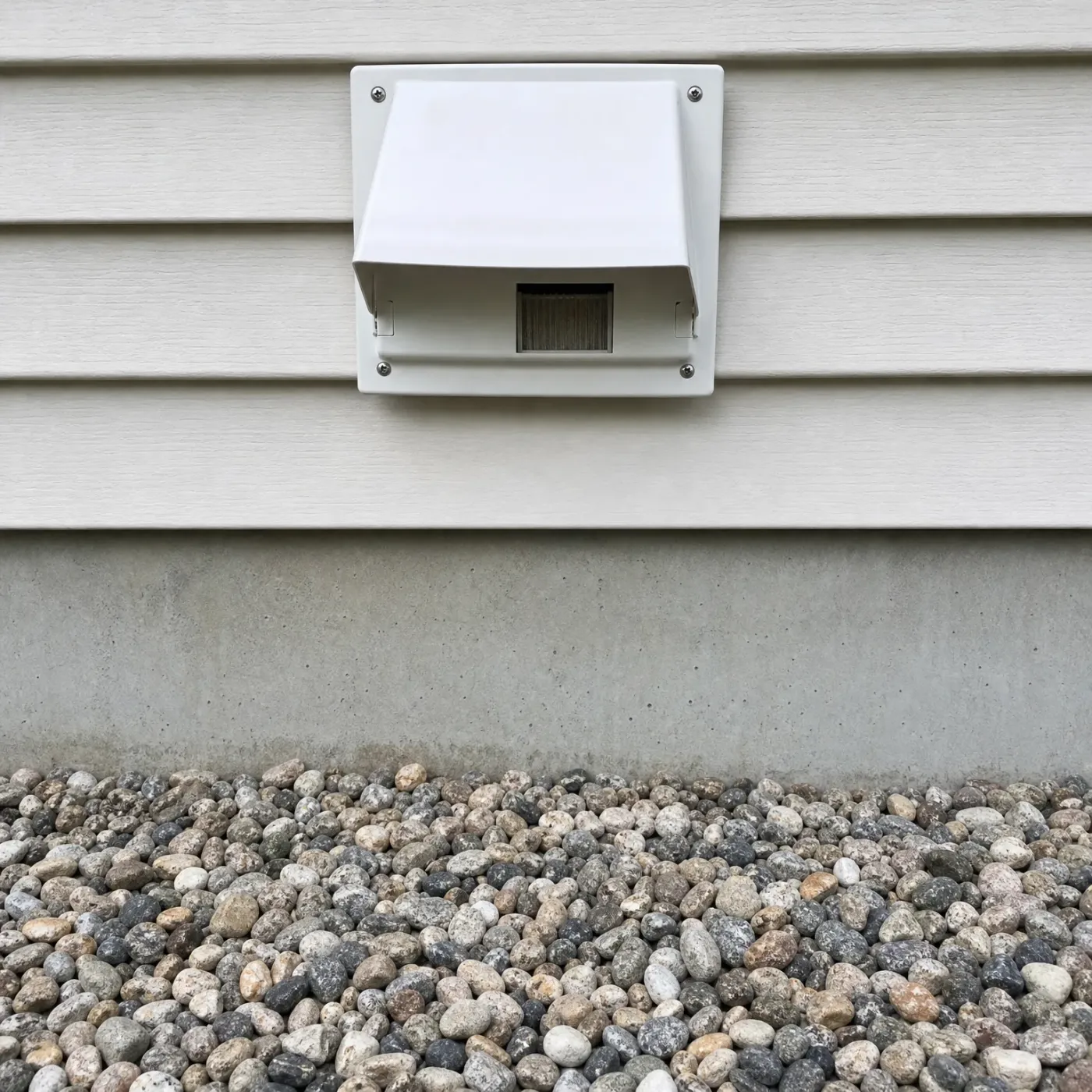
The cap sits flush on the siding and the louvers hang open. Air from the dryer pushes the flap wide while it runs, then lets it fall shut. Nothing sits behind it to catch a stick or a feather.
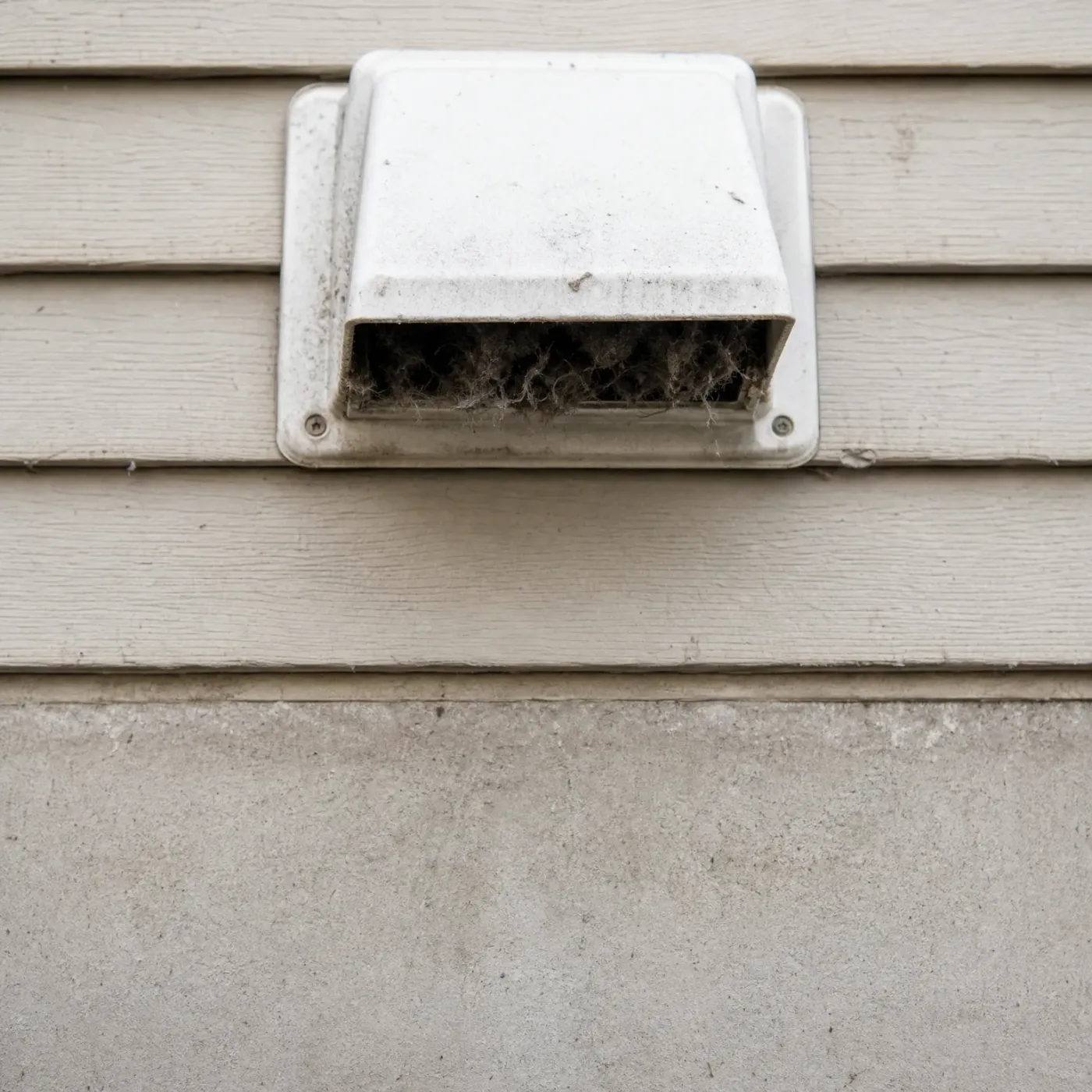
The opening behind this cap is gray with lint, built up thick enough to see from the yard. A nest started this, and the dryer kept pushing lint into it with every load until the air had nowhere left to go.
You've seen a bird land on the vent hood outside, or heard scratching in the wall where the duct runs, and now you're wondering if it actually went inside the duct itself and couldn't get back out. It's not a strange question. A duct is dark and narrow and shaped nothing like the open air a bird is built to fly through.
A bird can push past the vent flap and get further into the duct than it means to, especially a young one still learning to fly. Once inside, the duct is too narrow to turn around in and too dark to see the way back out. Most birds that get stuck this way don't find their way back to the hood. What's left behind, feathers, bones, a dried-out nest, blocks the duct even after the immediate problem seems to have stopped. A dryer that suddenly stops venting well, or one that starts smelling off when it runs, can mean something is stuck well past the hood and not just built up at the opening.
That's about how long a clogged vent adds to a single load, on top of the extra gas or electricity the dryer burns pushing against a blocked duct.
Pulling the nest from the hood doesn't clear the lint packed in behind it. The full run has to come apart to get it out.
At 2.43 people, most Lafayette Parish households run a load or two most days. That keeps the vent warm, which is exactly why a bird picks it in the first place, and it means a nest or a lint clog behind it gets found with a backed-up dryer, not before.
ACS 2020-2024
A bird at the vent hood is never just a bird. It's a nest blocking the flap, lint packed in behind it, and a dryer working harder than it should to push air through a duct that won't let it out. That's the whole problem in Lafayette Parish, whether the nest went in last week or last spring. The fix isn't complicated, but it does mean opening the duct end to end, not just clearing what's visible at the hood. A contractor pulls the nest, clears the lint behind it, checks that the flap swings freely, and fits a guard so the next bird looks somewhere else. None of that happens from the outside looking in, and none of it happens on its own.
What this page does is skip the part that usually eats your evening. You don't have to search for who does dryer vent work in Lafayette Parish, call around to see who answers, explain the nest and the warm towels and the smell twice over, or sit with three quotes trying to guess which one is fair. Send the form once and that search is done. A contractor reaches out, and from there it's a conversation about your vent, not a hunt for someone to have it with. The towels will still take a cycle or two to dry right again once the duct is clear. But finding someone who can clear it stops being something you have to figure out tonight.

Skip calling around for someone who cleans dryer vents.