
150 degrees
A blocked vent traps heat that normally escapes outside. The dryer's drum and the air around it run hotter than they're built for, load after load, all year.
A bird doesn't need much of a gap to decide your vent is a good place to build. Once the hood flap is pushed open or stuck, a dryer vent in New Orleans looks a lot like a hollow tree branch, and sparrows and starlings treat it that way most of the year. The nest doesn't just block lint. It blocks the moist air your dryer is pushing out, and in a city this humid that air has to go somewhere. You don't need to know if it's a nest, leaves, or just a stuck flap to want it checked. What you need is someone who clears vents for a living, not a ladder and a flashlight on a Saturday. Fill out the form and a contractor who handles dryer vent cleaning in the New Orleans area will reach out to you. Once that's sent, it's off your plate. Someone else is looking at the vent, not you.
You went outside to check the dryer vent and heard chirping, or saw grass and twigs sticking out of the hood. It's an odd thing to find, but it happens more than people expect, especially once the weather turns warm and birds start looking for a safe, enclosed spot to raise a brood.
A dryer vent hood has a flap that's supposed to stay shut except when the dryer is running. If that flap is bent, rusted, or missing its spring, it hangs open, and an open vent looks like a ready-made cavity to a bird hunting for a nesting spot. Sparrows and starlings are the usual culprits, and they'll pack the duct with twigs and grass in a matter of days. In New Orleans, where birds are active nearly year-round instead of just a few spring months, that flap has more chances to get tested and more time for a nest to take hold before anyone notices the dryer running hotter or slower than it should.
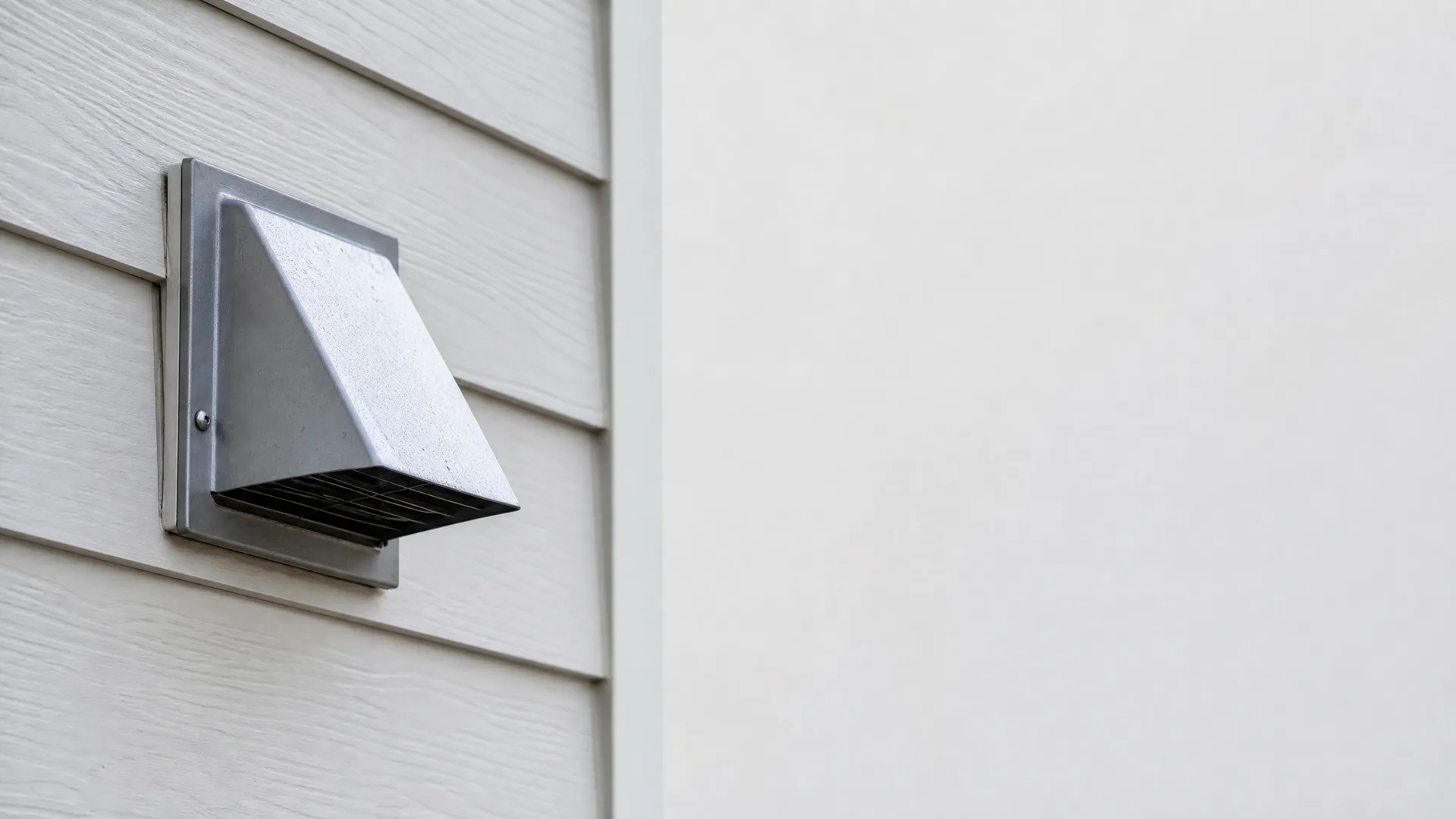
The hood on the outside of your vent has a flap or a set of louvers that are supposed to open only when the dryer is running and pushing air out. At rest, the flap should sit closed. If it's bent, rusted stuck, or missing altogether, there's nothing stopping a bird from walking right in and starting to build.
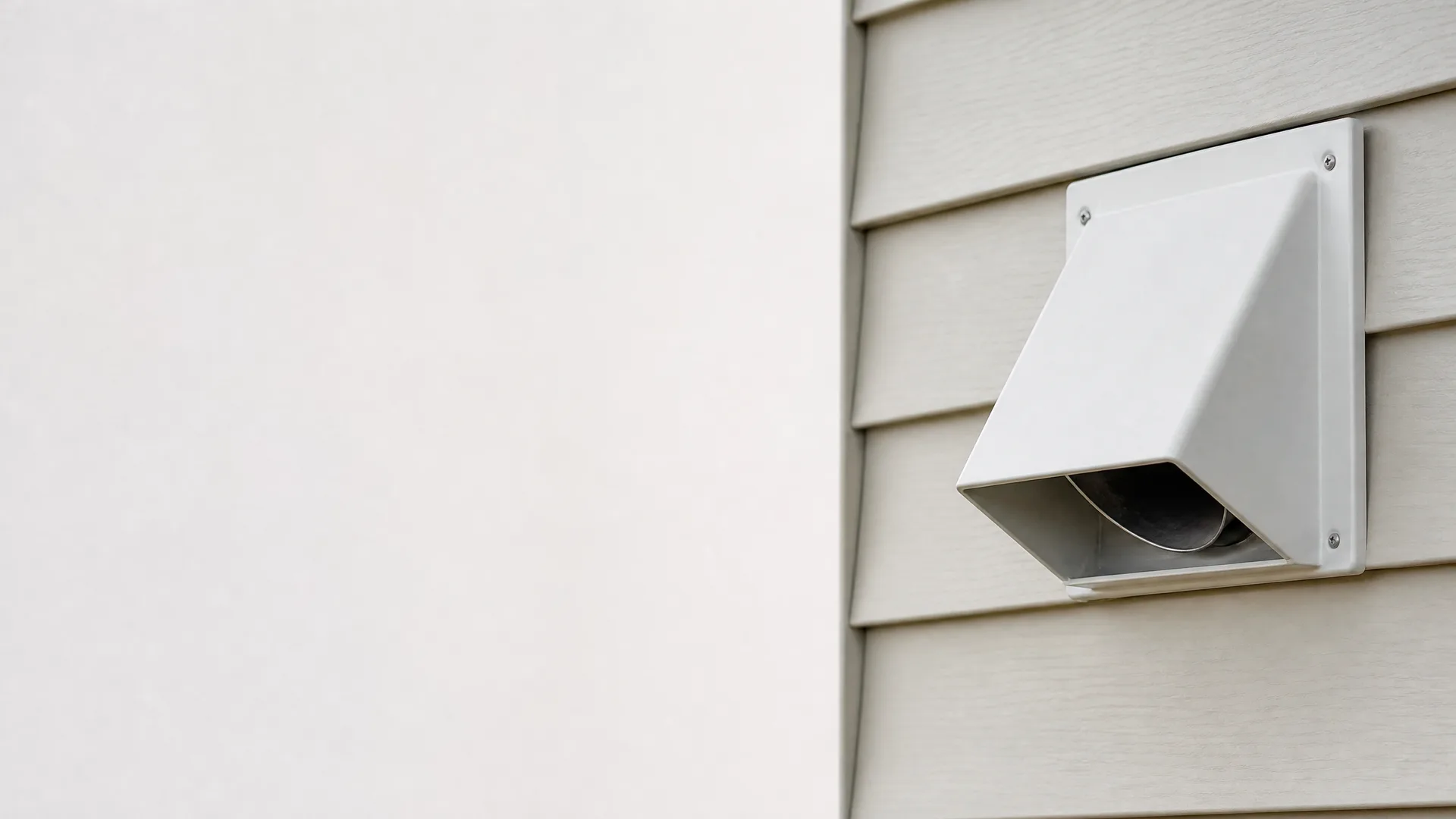
Once twigs and grass pack into the vent run, they don't just slow the airflow, they trap lint against the duct wall instead of letting it pass through to the outside. Lint is what catches fire in a dryer vent fire, and a nest gives it a place to collect that a clear, smooth duct doesn't.
2.29 people per household on average
Half the homes in Orleans Parish were built in 1960 or earlier. Older hoods and housings warp and rust, and a flap that doesn't sit flush is an open door to a bird looking for shelter.
Half the homes here were built by 1960
At 2.29 people per household, most homes here run a load most days of the week. A vent that's used often should push the flap open and shut on its own, and birds notice when it stops doing that.
Power here costs 12.78 cents per kilowatt-hour
Power here runs 12.78 cents per kilowatt-hour, cheap enough that most households don't think twice about running the dryer. A nest blocking the vent makes that same dryer work harder for the same load.
ACS 2020-2024 · EIA-861 2025
A vent with a bird nest in it still looks fine from the dryer side. The lint trap empties the same, the dryer starts the same, and nothing on the machine tells you the exhaust path is blocked outside.
A dryer that can't push air out heats up and runs longer to dry the same load. Twigs and grass packed into the vent catch lint fast, and that's the combination a vent fire starts from.




A nest in the vent doesn't announce itself. The dryer still runs, the clothes still dry, slower maybe, and nothing on the control panel says the exhaust is choked with twigs and grass twenty feet away at the hood. That gap between what the machine shows you and what's actually stuck in the duct is the whole problem. Left alone, it doesn't resolve itself. The bird builds on what's there, the blockage gets denser, and the dryer keeps pushing heat and moist air into a space with nowhere to go. Clearing it means getting into the vent itself, checking the hood flap, and confirming air moves freely all the way outside, not a job most people in New Orleans have the ladder or the tools for on a Saturday afternoon. Once you send the request, that part stops being yours to figure out. A contractor who handles this in Orleans Parish gets your information and takes it from there.
Your dryer vent is a straight shot, more or less, a 4 inch round duct running from the back of the machine to a hood on the outside wall, maybe with an elbow or two along the way. That hood has a damper flap that's supposed to keep the weather and everything else out when the dryer isn't running. A bird doesn't go far once it gets past that flap. The first two or three feet of the horizontal run, right behind the hood, is dry, out of the wind, and good enough for a nest, so that's usually where you'll find one. Sparrows and starlings don't take long to build it either. Once a pair settles on a spot, a day or two of trips back and forth is enough to pack in twigs and grass to the point where air barely gets through, sometimes not at all. That material sitting against a duct that heats up every time the dryer runs is worse than an inconvenience. Lint collects in the same nest, and lint and dry grass both catch easily. A contractor working on this won't stop at the hood. Nesting material can sit well back in the run, past where a flashlight from outside will show you anything, so the only way to know the duct is actually clear is to check the full length of it, hood to dryer.


A blocked vent traps heat that normally escapes outside. The dryer's drum and the air around it run hotter than they're built for, load after load, all year.
Humid New Orleans air already slows drying. Add a nest blocking the hood and a load that used to take forty minutes can run through two full cycles.


Birds here usually raise one or two broods between spring and early summer, and most nests sit empty by midsummer. If you can see the nest and nothing is moving in it, and you haven't heard chirping in a while, the birds have likely moved on. Clearing it then means you're not displacing chicks or pulling apart something still in use. The nest itself needs to come out either way. An empty nest left in place still blocks the vent, and the dryer keeps running hot and slow until someone removes it.
If your dryer is taking two or three cycles to dry a load, or the outside of the machine feels hotter than usual, waiting isn't free. A blocked vent keeps heat in the drum that's supposed to vent outside, load after load. Louisiana's migratory bird protections cover active nests with eggs or chicks, not empty ones, so a contractor can confirm what's actually in the vent and clear it the same visit if it's safe to. You don't have to guess whether it's safe to wait.
At 2.29 people per household, most houses here run a dryer several loads a week, not just on weekends. A blocked vent shows up fast under that kind of use, in longer cycles and a laundry room that runs warmer than it should.
ACS 2020-2024

The flap sits closed and flush against the hood, with the mesh screen clean behind it. Air from the dryer pushes it open on its own and it falls shut again when the cycle ends. Nothing is wedged in the opening and no gap invites a bird to look twice.

The hood is caked with lint around every opening, a sign air isn't moving through the way it should. A flap that stays open or stuck like this gives a bird room to get in and build. Once that happens, the dryer is pushing air against a blockage, not out of the house.

Birds build in a dryer vent because the flap doesn't sit shut, and the nest has to come out before the vent does what it's supposed to do again. That's the whole problem, and it doesn't fix itself once the birds move on. Twigs and grass packed into that first stretch of duct stay there until someone pulls them out and checks the flap underneath.
A contractor who does this work can clear the vent, confirm the flap and mesh are sound, and tell you if the hood needs replacing so this doesn't happen again next spring. Once you send the request, that part stops being something you have to chase down yourself. You'll be matched with someone who takes dryer vent work in Orleans Parish, and they'll reach out to sort out what your vent needs.


Get the right pro for your dryer vent